
How To
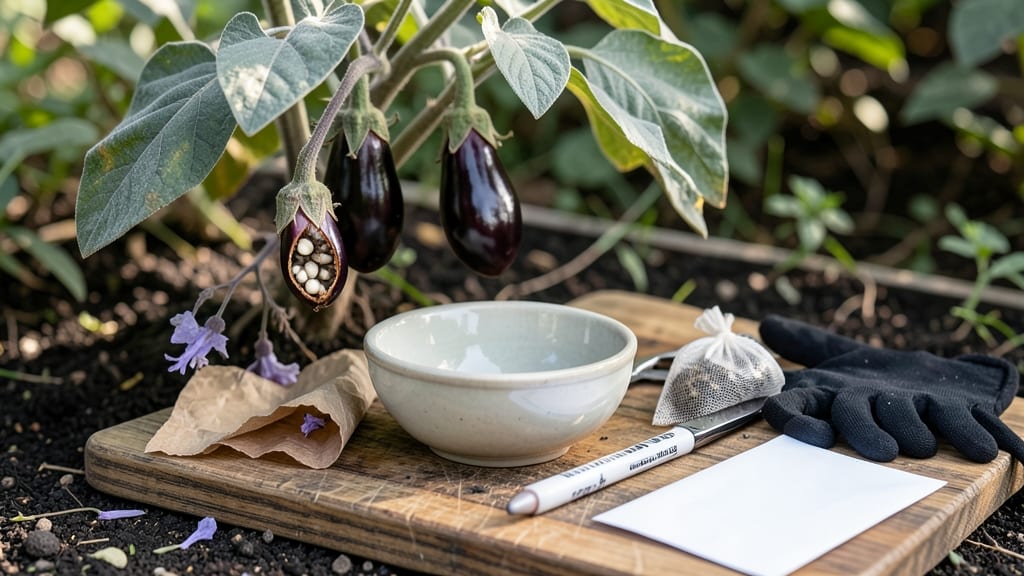
Harvesting eggplant seeds from your homegrown 🍆 plants is one of the easiest ways to save money and grow heirloom varieties year after year.
Did you know you can skip the seed packet aisle entirely? With just a few simple steps—waiting for the right fruit, extracting the seeds, and drying them properly—you’ll have fresh, viable seeds ready for next spring’s garden. It’s a process even beginners can master, and the payoff is worth it.
Most gardeners overlook this step, assuming it’s complicated or time-consuming. But the truth is, it takes less than 30 minutes to collect and prepare seeds from a single eggplant.
Plus, you’ll avoid the risk of hybrid seeds failing to grow true to type, ensuring your plants thrive just like the ones you grew this year.
In this guide, I’ll walk you through every stage—from spotting the perfect seed-bearing fruit to storing your seeds so they stay fresh for years.
You’ll learn how to tell when seeds are ready, how to clean and dry them properly, and even how to troubleshoot common issues like mold or low germination rates. Let’s get started!
Step-by-step guide to harvesting eggplant seeds from ripe fruit
Saving eggplant seeds from your garden is a rewarding way to preserve heirloom varieties and ensure next year’s plants thrive. The process involves selecting the right fruit, extracting seeds, and properly drying them for long-term storage.
Whether you’re a beginner or seasoned gardener, these steps will help you successfully harvest viable eggplant seeds ready for planting.
First, you’ll need to identify ripe eggplants with fully mature seeds. Look for fruit that has turned yellow or brown and feels soft when gently squeezed. These signs indicate the seeds inside are ready for extraction.
Avoid harvesting seeds from hybrid varieties, as they may not produce true-to-type plants. Stick to open-pollinated or heirloom eggplants for the best results.
Step-by-Step Guide to Harvesting Eggplant Seeds
- Step 1: Select ripe eggplants that are yellow/brown and soft to touch.
- Step 2: Cut open the fruit and scoop out the seeds and gel into a clean bowl.
- Step 3: Cover the bowl with a cloth and let it ferment for 2-4 days at room temperature.
- Step 4: Stir daily to prevent mold growth during the fermentation process.
- Step 5: Rinse the seeds gently to remove the fermented gel and any remaining pulp.
- Step 6: Spread seeds on a paper towel or mesh screen to dry for 3-5 days in a dry, shaded area.
- Step 7: Store dried seeds in a paper envelope or airtight container in a cool, dark place.
After selecting your ripe eggplants, the next step is extracting the seeds. Cut the fruit open lengthwise and scoop out the seeds along with the surrounding gel-like substance. This gel contains enzymes that help remove the seed coat during fermentation.
Place the mixture in a clean bowl and cover it loosely with a cloth to allow airflow while keeping out pests.
Fermentation is a crucial step that removes the gel coating and prevents mold. Leave the bowl at room temperature for 2-4 days, stirring the mixture daily with a clean spoon.
This process breaks down the gel, making it easier to rinse away. If you notice any mold forming, discard the batch immediately and start over with fresh seeds to avoid contamination.
Once fermentation is complete, rinse the seeds under cool water to remove the remaining gel and pulp. Use a fine-mesh strainer to separate the seeds from the liquid.
Gently rub the seeds between your fingers to remove any leftover debris. This step ensures you’re left with clean, viable seeds ready for drying.
Drying the seeds properly is essential for long-term storage. Spread the rinsed seeds on a paper towel or mesh screen in a well-ventilated area, away from direct sunlight.
Allow them to dry for 3-5 days until they’re hard and brittle to the touch. Properly dried seeds will store well and maintain their germination rates for years.
Avoid common mistakes like skipping fermentation or drying seeds too quickly. Rushed drying can lead to moldy seeds, while insufficient drying may cause them to spoil during storage.
Always use clean tools and containers to prevent contamination. Store your dried seeds in a paper envelope or airtight container labeled with the variety name and date.
Labeling your seeds is a simple but critical step. Include the variety name, harvest date, and any notes about the plant’s performance. This helps you keep track of different varieties and ensures you plant the right seeds next season.
Store the container in a cool, dark place, such as a pantry or seed vault, to maintain seed viability.
With these steps, you’ll have a supply of homegrown eggplant seeds ready for next year’s garden. Not only does this save you money, but it also connects you to the tradition of seed saving. Happy gardening, and enjoy the fruits of your labor for seasons to come!
Best eggplant varieties for seed saving and how to identify them
Not all eggplants produce viable seeds for saving, but choosing the right heirloom varieties makes the process simple.
Open-pollinated types like Black Beauty and Ichiban are perfect for seed saving because they reliably produce seeds that grow true to type. Hybrid varieties, on the other hand, often produce sterile seeds, so avoid those labeled "F1."
When selecting plants for seed saving, focus on mature fruit that turns yellow or brown and feels soft to the touch. The seeds inside should be hard and dark brown, indicating full maturity.
Look for plants with fully developed flowers that have withered naturally—this signals the fruit is ready for seed extraction.
Key varieties for seed saving include Rosa Bianca (white, globe-shaped), Fairy Tale (small, sweet), and Listada de Gandia (striped, heirloom). These types are open-pollinated and produce seeds that maintain their traits year after year. Always save seeds from the healthiest plants in your garden for the best results.
To identify ripe eggplant fruit for seed saving, check for yellowing or browning skin and a slight softness when pressed. The stem should also dry out and split open naturally. If the fruit is still green and firm, it’s not ready—wait until it fully matures on the vine.
Some hybrid varieties (like Round Japanese) won’t produce viable seeds, so always check seed packets for "open-pollinated" labels. Even if you save seeds from hybrids, they may not grow true to the parent plant. Heirloom types are your best bet for consistent, high-quality seeds year after year.
Once you’ve identified the right mature fruit, harvest it carefully and let it dry indoors for a few days before extracting the seeds. This ensures they’re fully mature and ready for fermentation and storage.
With the right varieties, you’ll have a steady supply of seeds for years to come! 🌱