
How To
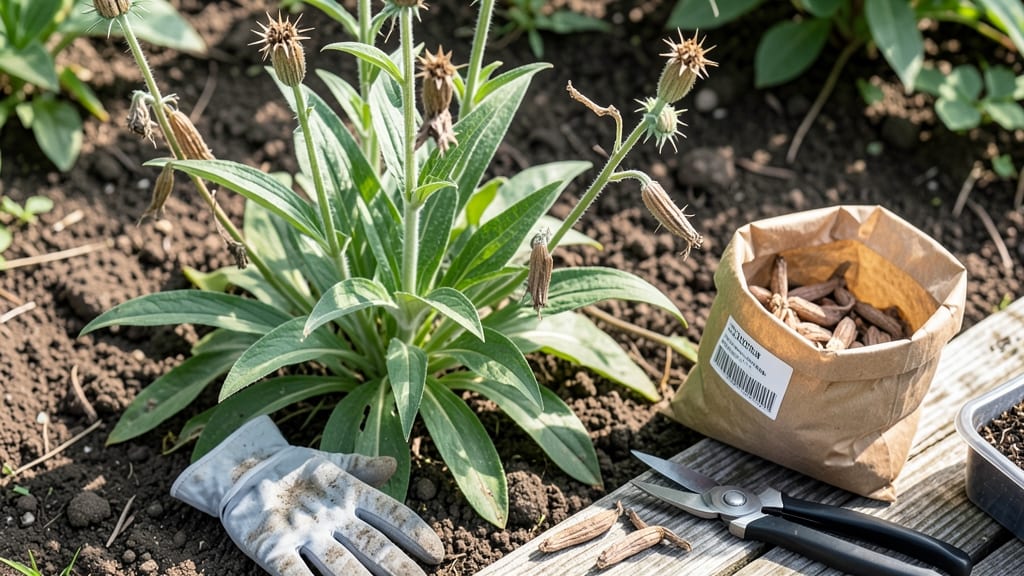
Harvesting foxglove seeds 🌸 is the best way to save next year’s stunning blooms from dying plants—if you time it just right.
Foxglove’s dramatic bell-shaped flowers may steal the show, but their seeds hold the secret to next season’s garden magic—if you know when and how to harvest them properly.
Too early, and the seeds won’t be viable. Too late, and the plant will have already died back, leaving you with nothing. The key is spotting those brown, split-open seed pods—a sure sign the seeds are ready for collection.
In this guide, I’ll walk you through every step: from identifying mature pods to drying, storing, and even testing seed viability for the highest germination rates.

When and how to identify foxglove seeds ready for harvesting
Timing is everything when harvesting foxglove seeds. Miss the window, and you’ll end up with non-viable seeds or lose them to the plant’s natural die-back in late fall.
The key is watching for seed pod color changes and maturity signs that show seeds are ready to collect—typically between late summer and early fall, about 60-90 days after flowering. I’ve learned the hard way that rushing this process leads to poor germination rates, so patience pays off.
Start by scanning your foxglove plants for seed pods that have transitioned from green to a dry brown color. These pods will feel papery and brittle when touched, a clear sign they’re maturing.
If you shake a pod and hear seeds rattling inside, that’s your cue—maturity is near. I always check pods weekly once they start drying out to avoid missing the perfect harvest moment.
Here’s a quick visual guide to help you spot ready-to-harvest foxglove seeds at a glance:
One of my biggest mistakes was harvesting foxglove seeds too early because the pods looked dry. I thought they were ready, but the seeds inside were underdeveloped and shriveled.
Always perform a quick seed viability test by gently squeezing a pod—if seeds don’t pop out easily, they’re not mature yet. I now wait until pods split open on their own, which usually happens in late August to September in my USDA Zone 6a garden.
Another trick I use is to cut open a few pods and inspect the seeds inside. Viable foxglove seeds should be dark brown or black, plump, and feel firm to the touch. If they’re light-colored or wrinkled, they won’t germinate well.
I also avoid harvesting seeds from pods that have been damaged by pests or exposed to excessive moisture, as this reduces their chances of sprouting.
Don’t forget to wear gloves when handling foxglove—every part of the plant, including seeds, is toxic if ingested. I keep a pair of gardening gloves handy and wash my hands thoroughly after handling seeds.
Even though the seeds themselves aren’t as toxic as the leaves, it’s better to be safe. Place harvested pods in a paper bag to dry further indoors, away from direct sunlight and humidity.
If you’re unsure whether your foxglove seeds are ready, look for pods that rattle when shaken—a classic sign of maturity. This happens because the seeds inside are loose and ready to disperse.
I’ve found that pods left on the plant too long will release seeds naturally, so it’s best to harvest them before this happens. Once you’ve confirmed maturity, you’re ready to move on to drying and storing your seeds for next year’s garden.
Timing your harvest correctly also depends on your local climate. In cooler regions, pods may take longer to mature, while warmer areas might see faster drying. I’ve noticed that foxglove seeds harvested in early fall (before the first frost) have the highest germination rates.
If frost threatens before your pods are ready, you can accelerate drying by placing them in a well-ventilated, dry space indoors.
Finally, remember that foxglove plants often die back after seeding, so don’t wait too long to collect your seeds. If you miss the harvest window, you’ll have to rely on store-bought seeds or wait another year.
I always mark my calendar with the expected harvest date based on when the flowers first appear, which gives me a heads-up to start monitoring the pods closely.
With these tips, you’ll never miss the perfect moment to harvest foxglove seeds again—ensuring a bountiful supply for next season’s stunning blooms. Happy harvesting! 🌾
Step-by-step foxglove seed harvesting process with key tools
Harvesting foxglove seeds at the right time ensures high germination rates for next year’s stunning blooms. The process requires patience and precision—cutting seed pods too early can ruin viability, while waiting too long risks losing seeds to weather or wildlife.
With the right tools and techniques, you’ll preserve these seeds for months until planting season arrives.
Start by gathering your essential harvesting tools: sharp pruning shears, a clean paper bag or envelope, and a drying tray lined with parchment paper. Avoid metal containers, as they can introduce moisture.
Work on a dry, sunny day when seed pods are fully mature but haven’t yet scattered their seeds naturally.
🌾 Step-by-Step Foxglove Seed Harvesting
- 1 Locate mature seed pods: Identify brown, papery pods that split open naturally. Shake them gently—mature seeds rattle inside.
- 2 Cut pods with clean shears: Snip 2–3 inches of stem below each pod to prevent damage. Avoid crushing pods during harvest.
- 3 Dry pods indoors: Lay pods on parchment paper in a warm, dry location (60–70°F) for 1–2 weeks. Avoid direct sunlight to prevent overheating.
- 4 Extract seeds gently: Once pods are completely dry, open them over a paper bag and tap to release seeds. Discard empty husks.
- 5 Store seeds properly: Place seeds in a paper envelope or glass jar with a desiccant packet. Label with the harvest date and store in a cool, dark place (50–60°F).
Common mistakes during harvesting include picking pods too soon (green pods yield no viable seeds) or storing seeds in plastic, which traps moisture and causes mold. Always test a few seeds for germination before storing the entire batch—this ensures your efforts pay off next spring.
After harvesting, stratify seeds for 4–6 weeks in the fridge to mimic winter conditions, then sow them outdoors in late winter for best results. With proper care, your foxglove seeds can produce healthy seedlings ready to bloom in just 1–2 years.
Remember: foxglove is toxic, so wear gloves during handling and keep seeds away from pets and children. Your patience in harvesting will reward you with next year’s foxglove forest—a sight as magical as the seeds themselves. 🌸