
How To
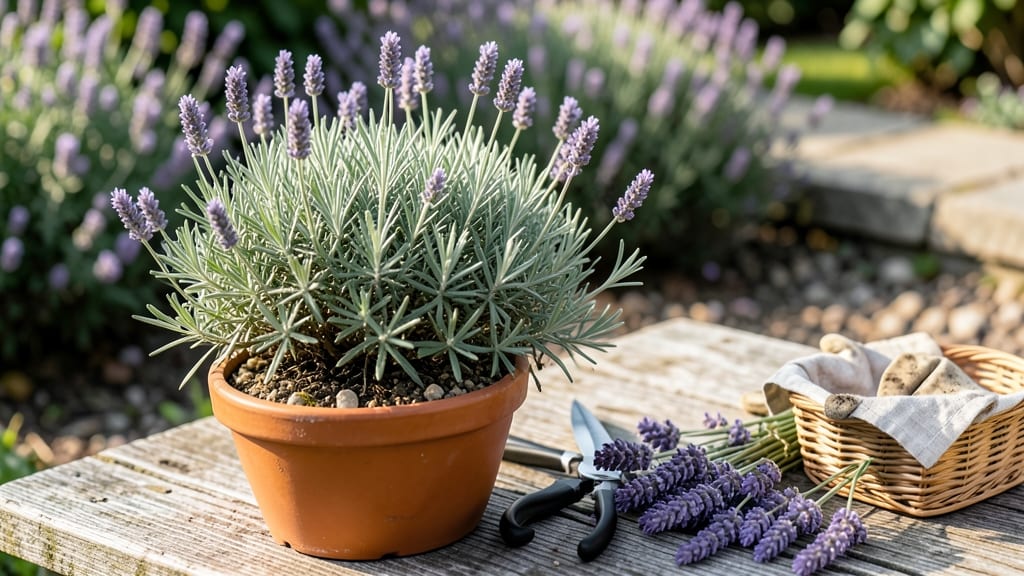
To harvest French lavender at its peak fragrance and beauty 🌿, wait until the stems feel slightly woody but buds are still tightly closed—this sweet spot ensures you get both aromatic potency and future blooms.
French lavender’s fragrant stems turn woody when left unharvested—but timing your cut can transform your plants into a year-round blooming powerhouse while maximizing their aromatic potential.
If you’ve ever snipped lavender too late and watched your plant struggle to rebound, you know how critical the right moment is. The key lies in reading the stems and buds like a seasoned gardener—because harvesting at the wrong stage can leave your lavender looking ragged or even stunted.
In this guide, I’ll walk you through the exact signs to look for, the best tools to use, and step-by-step pruning tricks that keep your French lavender lush, fragrant, and ready for another round of blooms.

When to harvest French lavender: identifying the perfect woody-stem stage
Harvesting French lavender at the right time ensures your plants stay healthy and fragrant year after year. The key is recognizing when stems begin to turn woody—a natural process that signals it's time to prune.
If left unchecked, these woody stems can reduce flowering and weaken your plant's ability to produce those signature purple blooms and aromatic leaves.
For most gardeners in USDA Zones 5-9, the ideal harvest window falls between late spring and early summer, typically June to early July. This timing aligns with when your lavender has finished its first flush of flowers and is preparing for its second growth cycle.
The goal is to cut back stems before they become too woody, which usually happens after the second flowering of the year.
Here’s how to tell if your French lavender is ready for harvest:
| Stage | Key Features | Action |
|---|---|---|
| Early Spring | Stems are soft, buds forming | Light pruning to shape |
| Late Spring | First flowers fade, stems start hardening | Harvest 3-4 inches from base |
| Early Summer | Stems feel slightly woody, buds forming again | Prune woody stems to encourage new growth |
| Mid-Summer | Stems fully woody, no new buds | Avoid pruning; plant enters dormancy |
| Fall | Stems remain woody, no regrowth | Remove dead stems, mulch lightly |
If you wait too long, those woody stems become permanent, reducing your plant's ability to produce new growth. French lavender naturally develops woody stems as it matures, but regular pruning keeps it compact and bushy.
Think of it like giving your plant a haircut—too short, and you stunt growth; too long, and you lose that fresh, fragrant look.
One common mistake is harvesting after the first bloom but before stems harden. This can leave your plant looking leggy and sparse. Instead, aim to prune just after flowering, when new buds are forming but stems haven’t yet turned woody.
This encourages a second flush of blooms later in the summer, giving you two harvests per season!
For first-year plants, focus on shaping rather than heavy pruning. Let them establish a strong root system before you start aggressive harvesting. In subsequent years, you can be more aggressive with pruning, cutting back one-third of the plant each year to maintain its shape and encourage dense growth.
Pay attention to the fragrance of your lavender stems. When crushed, they should release a strong, sweet aroma. If the scent is faint or non-existent, it’s a sign your plant isn’t thriving—possibly due to overwatering or poor soil drainage.
French lavender loves well-draining soil and full sun, so if your stems are woody and scentless, it might be time to reassess your care routine.
Finally, never prune after the first frost in your area. French lavender is hardy to Zone 5, but it enters dormancy in winter. Pruning too late can stimulate new growth that won’t survive the cold, leaving your plant vulnerable to freeze damage.
Always time your harvests to finish by early fall to give your lavender time to recover before winter.
With the right timing, your French lavender will reward you with abundant blooms, intense fragrance, and a neat, bushy appearance all season long. Happy harvesting! 🌸
Step-by-step pruning techniques for French lavender harvests
Harvesting French lavender at the right time isn’t just about collecting fragrant stems—it’s about encouraging your plants to grow bushier and more productive. When you cut back stems 3-4 inches from the base, you trigger new growth while preventing the plant from becoming woody and unproductive.
This method also maximizes aromatic oils, making your harvest ideal for drying or fresh bouquets.
Before you begin, gather your pruning tools. A sharp pair of bypass pruners or clean scissors ensures clean cuts that heal quickly. Avoid dull tools, as they can crush stems and invite disease.
Pair your pruners with a bucket of water to store harvested stems temporarily, and wear gloves to protect your hands from the plant’s oils, which can cause skin irritation.
How to Harvest French Lavender
- 1. Choose the right time: Harvest in mid-to-late summer (July-August) when 1/3 of flowers are open. This ensures you capture both buds and blooms for maximum fragrance.
- 2. Select healthy stems: Choose stems that are 12-18 inches tall with a strong fragrance when crushed. Avoid stems with yellow leaves or brown spots, as these indicate stress or disease.
- 3. Cut at the base: Use your pruners to make a clean cut 3-4 inches from the ground. Angle the cut slightly to prevent water from pooling, which can cause rot.
- 4. Harvest in the morning: Pick stems early in the day when oil content is highest. This ensures your lavender retains its best aroma and color for drying or fresh use.
- 5. Bundle and hang: Gather stems into small bundles of 5-10 and tie them with twine or rubber bands. Hang them upside down in a well-ventilated, dry area away from direct sunlight.
- 6. Dry for 2-3 weeks: Allow stems to dry completely in 1-2 weeks. They’re ready when the buds crumble easily and the stems snap rather than bend. Store dried lavender in airtight containers away from light.
- 7. Post-harvest care: After cutting, water lightly if the soil is dry, but avoid overwatering. Your lavender will rebound with new growth in 4-6 weeks, ready for another harvest.
After harvesting, your French lavender will reward you with lush, bushier growth if you follow these steps. The key is consistency—harvesting 2-3 times per season keeps your plants healthy and productive.
Just avoid cutting back more than 1/3 of the plant at once, as this can stress the roots and reduce future blooms.
Once dried, your lavender can be used in sachets, potpourri, or homemade aromatherapy blends. For a long-lasting bouquet, mix dried lavender with eucalyptus or rosemary for a fragrant, rustic arrangement.
Store your dried lavender in paper bags or breathable containers to preserve its scent for up to a year.
Remember, the secret to successful lavender harvesting lies in timing and technique. By pruning at the right time and caring for your plants afterward, you’ll enjoy abundant harvests and a garden that stays fragrant and beautiful year after year. 🌿✂️🌸