
How To
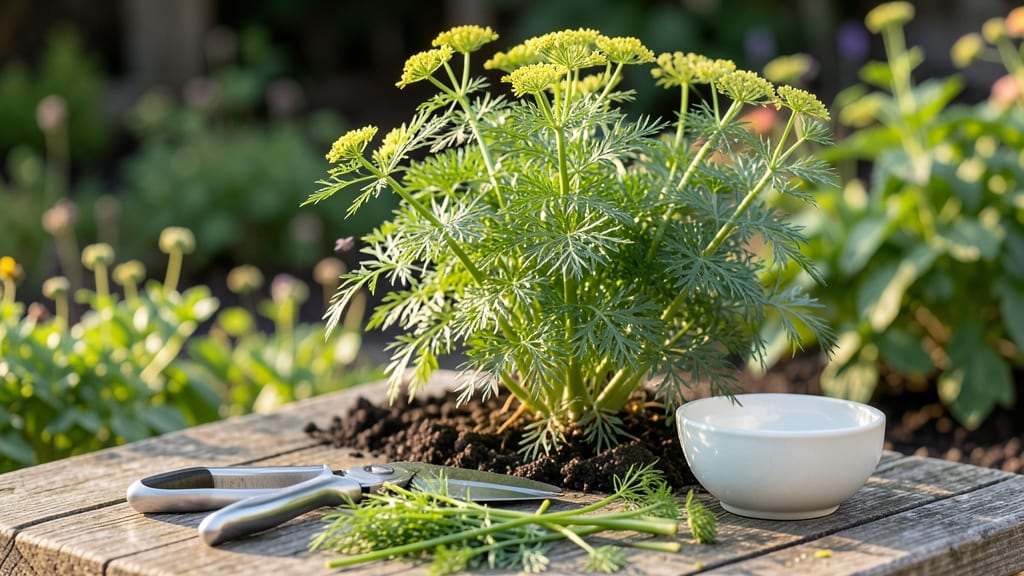
To harvest fresh dill at its peak flavor, you’ll want to snip just above a leaf node before the plant flowers—this keeps your 🌿 herb producing for weeks.
Picture this: you’ve nurtured your dill all season, and now it’s towering over your garden, but you’re not sure when to cut it. Harvest too late, and the flavor turns bitter; too early, and you stunt its growth.
The key is timing—right before the flower buds appear, when the leaves are lush and aromatic.
Most gardeners make the mistake of over-harvesting or cutting too close to the stem, which weakens the plant. Instead, use sharp scissors to trim one-third of the stems at a time, leaving enough foliage to keep photosynthesizing. This hands-off approach ensures your dill keeps thriving through June to August.
In this guide, I’ll walk you through the best techniques—from identifying the perfect harvest window to storing your dill for long-term use—so you can enjoy a steady supply of fresh, flavorful leaves all season long.

When and how to harvest fresh dill for maximum flavor
Timing is everything when harvesting fresh dill. The best flavor comes when you harvest just before the plant flowers, typically 60-75 days after planting. This window ensures tender leaves packed with aromatic oils.
If you wait too long, the flavor becomes bitter and woody, which is a common mistake many gardeners make.
I always check for fully unfurled leaves and a strong, fresh scent when crushing the foliage. These are clear signs your dill is ready. The plant should also be at least 12 inches tall with sturdy stems—this indicates maturity without sacrificing tenderness.
Harvesting at the right time isn't just about flavor—it's also about encouraging regrowth. When you cut dill properly, the plant responds by producing more leaves. This makes your harvest last longer and gives you a continuous supply throughout the growing season.
Now, let's talk about the best techniques. I always use clean, sharp pruning shears or scissors to avoid crushing stems. Cutting just above a leaf node (where leaves meet the stem) promotes new growth from that point. This simple method keeps your dill bushy and productive.
| Harvest Stage | Key Characteristics | Best Practice | Flavor Impact |
|---|---|---|---|
| Pre-Flowering | Leaves fully unfurled, no buds visible, strong aroma | Cut outer stems 3-4 inches from base | Maximum freshness and sweetness |
| Early Flowering | 1-2 flower buds opening, leaves slightly tougher | Harvest individual stems, leave some buds | Mild anise flavor, still usable |
| Full Flowering | Yellow flowers fully open, leaves woody | Avoid harvesting leaves, save seeds if desired | Bitter, strong flavor - discard leaves |
| Post-Flowering | Seed pods forming, plant drying out | Collect seeds, remove plant | Leaves unusable, focus on seed saving |
For the best results, I harvest my dill in the morning after the dew has dried. This timing ensures the leaves are crisp and full of moisture.
Always cut stems at a 45-degree angle just above a leaf node—this small detail makes a big difference in how quickly the plant recovers and produces new growth.
Another pro tip I use is to never remove more than one-third of the plant at once. This prevents stress and allows your dill to keep producing.
I also avoid harvesting during hot afternoons when the plant's essential oils are at their peak concentration, which can make the flavor more intense than desired.
If you're growing dill for both leaves and seeds, you'll need to adjust your harvesting strategy. For seeds, wait until the flower heads turn brown and dry.
At this stage, the leaves will be too tough to use, but the seeds are perfect for next year's planting or culinary uses like dill pickles.
To extend your harvest season, I often plant two batches of dill about 3-4 weeks apart. This staggered planting ensures a continuous supply of fresh dill from early summer through fall. Just be sure to choose a cool-season variety like 'Bouquet' or 'Fernleaf' for better heat tolerance.
After harvesting, I always rinse the dill gently under cool water and pat it dry with a clean towel. This removes any dirt while preserving the delicate leaves.
Store harvested dill in the fridge wrapped in a damp paper towel—this keeps it fresh for up to 10 days while maintaining its vibrant flavor.
Remember, the key to a productive dill plant is consistent care throughout the season. Proper harvesting techniques not only give you the best flavor but also encourage your plant to keep producing until the first frost. With these methods, you'll enjoy fresh dill all summer long!
Hands-off harvesting methods to preserve your dill plant
Preserving your dill plant for a continuous harvest doesn't require constant attention. By using selective harvesting and smart pruning, you can enjoy fresh dill all season without stressing your plant.
The key is to balance your needs with the plant's ability to regrow—think of it like trimming your hair to keep it healthy and full.
Start by harvesting outer leaves first. These mature leaves are ready for use and won’t disrupt the plant’s growth center. This method mimics nature, where older leaves provide energy to younger growth.
Avoid cutting into the central stem unless absolutely necessary, as this can weaken or even kill your dill plant.
🌿 Pro Tip: How to Harvest Fresh Dill Without Harm
- Use clean scissors or pruners to avoid crushing stems.
- Cut just above a leaf node to encourage new growth.
- Harvest in the morning for maximum flavor and moisture.
- Leave at least 1/3 of the plant intact to sustain regrowth.
If you need larger quantities, focus on harvesting whole stems rather than individual leaves. Cut stems at a 45-degree angle about 2-3 inches above a leaf node.
This technique promotes bushier growth and prevents the plant from becoming leggy. Remember, dill plants can handle multiple harvests as long as you’re patient and strategic.
To extend your harvest season, consider pruning for regrowth. After the initial harvest, your dill plant will often produce new shoots from the base. These can be harvested in the same way as the original stems.
This method works best when you leave the lower leaves intact—they’ll continue photosynthesizing and feeding the plant.
Once you’ve harvested your dill, proper storage techniques are crucial to preserve its flavor. Store fresh dill in the fridge wrapped in a damp paper towel inside a plastic bag. For long-term storage, dry the stems upside down in a dark, well-ventilated area for 1-2 weeks.
Once fully dried, strip the leaves and store them in an airtight container away from light.
With these hands-off techniques, your dill plant will reward you with a bountiful harvest all season long—no daily maintenance required! The secret lies in respecting the plant’s natural growth cycle while strategically satisfying your culinary needs. 🌱