
How To
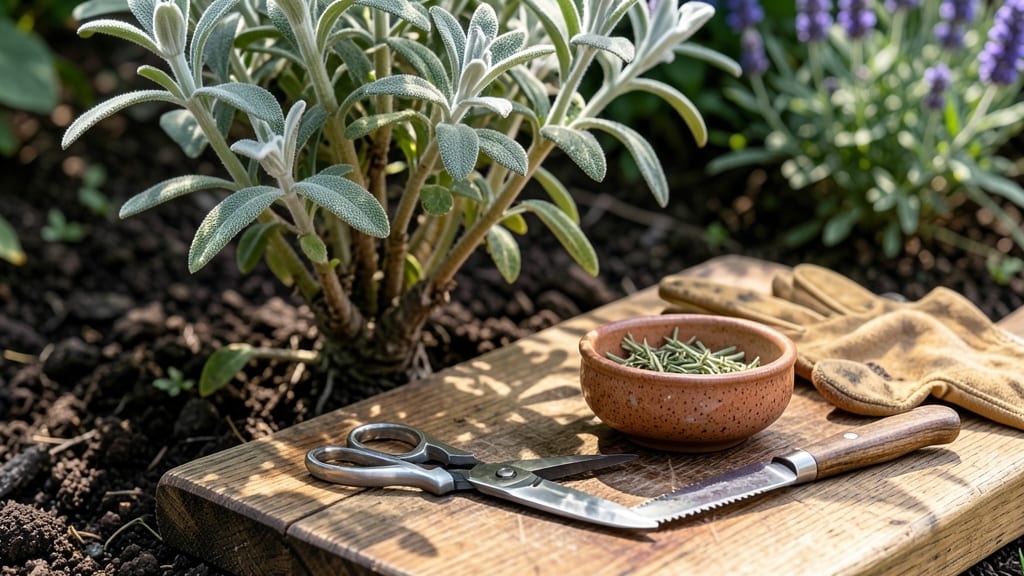
Harvesting garden sage at the right time and with the right technique ensures you get the most flavorful leaves while keeping your plant healthy and thriving 🌿.
Picture this: you’ve waited all season for that fragrant, piney aroma, only to snip too late and end up with bitter, woody stems. Or worse, you over-harvest and watch your plant struggle to bounce back.
The difference between a thriving sage bush and a sad, stunted one often comes down to knowing when to cut and how to do it without harming your plant.
Sage is at its peak flavor just before it flowers, typically in late summer to early fall, when the leaves are plump, green, and bursting with that signature earthy scent.
But timing isn’t the only factor—proper cutting techniques, like avoiding the woody center and leaving enough foliage, make all the difference in encouraging regrowth.
In this guide, I’ll walk you through the exact steps to harvest sage for the best flavor, how to store or dry your harvest, and the common mistakes that turn a great harvest into a gardening disaster. Let’s get started!

When to harvest garden sage for maximum flavor and regrowth
Harvesting your garden sage at the perfect moment ensures you get the most aromatic flavor while keeping your plant healthy and productive. The key is balancing plant maturity with seasonal cues—because harvesting too early or too late can ruin both taste and regrowth potential.
For maximum flavor, focus on two critical windows: late spring and early fall. These periods align with the plant’s natural growth cycles, delivering the richest essential oils that define sage’s signature taste.
But timing isn’t just about the calendar—it’s also about visual cues like leaf color, stem hardness, and even the plant’s flowering patterns.
Visual indicators are your best friends when deciding the right moment. Look for deep green leaves that are fully developed and emit a strong fragrance when crushed. Avoid harvesting when the plant starts flowering, as this shifts energy away from flavorful foliage and toward seed production.
Spring harvests should happen after your sage has reached 6-12 inches in height and has developed a sturdy stem. This usually occurs 60-90 days after planting, depending on your climate.
In contrast, fall harvests should take place before the first frost—typically between August and October in most U.S. growing zones.
| Harvest Stage | Key Indicators | Best Time of Year | Flavor Impact |
|---|---|---|---|
| Early Spring | Plant 6-12" tall, soft stems | March-April (post-frost) | Mild, developing flavor |
| Peak Summer | Fully mature leaves, firm stems, strong aroma | June-July (avoid flowering) | Maximum intensity |
| Early Fall | Leaves remain green, stems woody but upright | August-October (pre-frost) | Rich, concentrated flavor |
| Late Fall/Winter | Yellowing leaves, woody stems | November-February (dormant) | Bitter, reduced quality |
Harvesting in late summer (August-September) often yields the most flavor-packed sage because the plant has had time to develop robust essential oils. This is when your garden sage typically reaches its peak maturity, with leaves that are large, vibrant, and fragrant.
If you wait until fall, aim to harvest before the first frost—typically by mid-October in most regions.
One common mistake is harvesting when the plant starts flowering. While it might seem like a good time to collect stems, the energy shifts from leaf production to seed development, resulting in less flavorful foliage.
Always cut stems below the flower buds to encourage more leaf growth and maintain plant health.
For regrowth, never remove more than one-third of the plant in a single harvest. This rule prevents stress and ensures your sage has enough energy to bounce back with fresh, flavorful leaves. After harvesting, always use clean, sharp pruners to make clean cuts just above a leaf node.
Your harvest timing also affects how you store your sage. Freshly harvested leaves with maximum flavor are ideal for drying or freezing. If you plan to dry your harvest, do so within 24 hours of cutting to preserve those essential oils that define sage’s signature taste.
Pay attention to your plant’s growth patterns throughout the season. A healthy sage plant will continue producing new growth until the first frost, giving you multiple harvest opportunities. By following these cues, you’ll ensure your garden sage remains productive year after year.
Step-by-step guide to harvesting sage without damaging your plant
Harvesting your garden sage correctly ensures you get the most flavorful leaves while keeping your plant healthy and bushy. The key is using the right cutting techniques and tools to avoid damaging stems or overstressing the plant.
Whether you're harvesting for cooking or drying, follow these steps to maintain your sage's vigor for future harvests.
Before you begin, gather your supplies: a pair of sharp pruning shears or scissors, a clean cutting board, and a small bucket or basket for your harvest. Always work in the morning after dew has dried to ensure the leaves are dry and ready for handling.
This also helps prevent fungal diseases from spreading if any moisture remains on the plant.
How to Harvest Garden Sage
-
Step 1: Identify the Right Stems
Look for healthy, woody stems with at least 4-6 inches of growth. Avoid cutting stems that are too soft or have yellowing leaves, as these won’t dry well or taste as strong. -
Step 2: Choose Your Cutting Method
For leaf-only harvests, pinch individual leaves from the stem using your fingers. For stem harvests, use pruning shears to cut just above a leaf node (where new growth emerges) to encourage bushier regrowth. -
Step 3: Make Clean Cuts
Hold the stem firmly and cut at a 45-degree angle about 1/4 inch above the leaf node. This prevents water from pooling on the cut and reduces the risk of disease. Never cut more than 1/3 of the plant at once. -
Step 4: Harvest Strategically
Focus on the outer stems first to allow sunlight to reach the inner growth. Avoid harvesting from the center of the plant, as this can leave it sparse and weak. Leave at least half the plant untouched for continued photosynthesis. -
Step 5: Post-Harvest Care
After harvesting, water your sage deeply to help it recover. Trim any dead or damaged leaves and apply a light mulch around the base to retain moisture. This encourages new growth and prepares the plant for your next harvest.
If you're harvesting for drying, bundle the stems together with a rubber band and hang them upside down in a dark, well-ventilated area for 1-2 weeks. For fresh use, store the stems in a glass of water like flowers, changing the water every 2-3 days to maintain freshness.
This method keeps the leaves vibrant and aromatic for up to a week.
Never harvest sage during extreme heat or cold, as this stresses the plant and reduces flavor. Aim for late summer or early fall when the leaves are fully mature but before flowering begins. This timing ensures the strongest aromatic oils and the best regrowth for next season.
With proper harvesting techniques, your sage plant will thrive, producing abundant, flavorful leaves year after year. Regular, gentle harvests encourage denser growth and prevent the plant from becoming woody or leggy. Happy harvesting! 🌿