
How To
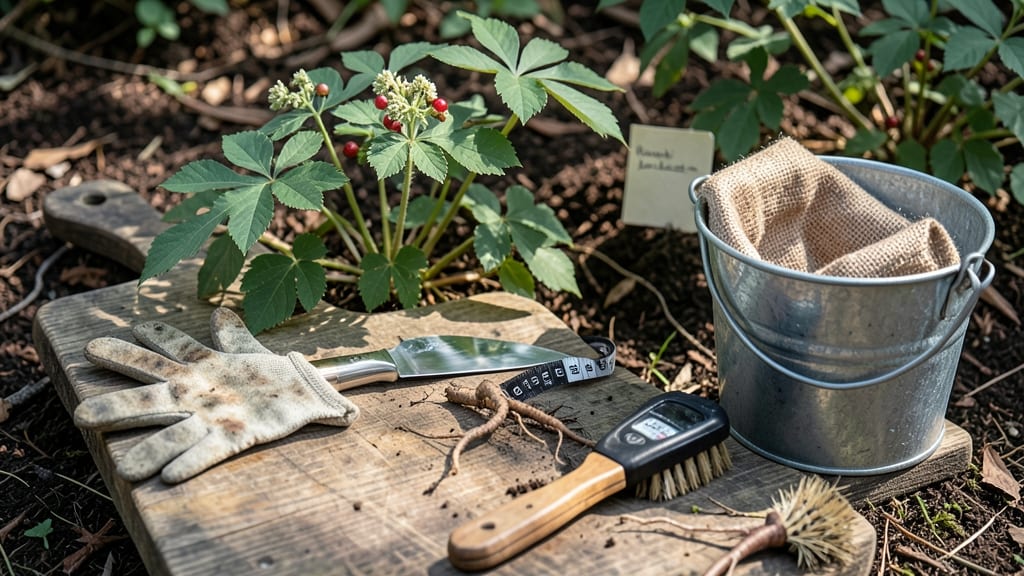
To harvest ginseng correctly means knowing when to dig, how to handle the roots, and what legal rules apply in your area — because one wrong move can ruin a 4-year investment.
Picture this: you’ve patiently waited years for your 🌿 ginseng to mature, only to pull it too soon and end up with thin, worthless roots. Or worse, you harvest wild ginseng without a permit and face hefty fines.
The stakes are high, but the payoff—whether for personal use or profit—is worth the effort.
This guide covers the exact timing (fall is key), the right tools to use, and how to tell if a root is ready. We’ll also break down the differences between wildcrafting and farm-grown ginseng, so you know what’s legal and what’s sustainable in your region.
By the end, you’ll confidently harvest your ginseng without damaging the roots, store them properly, and even avoid common mistakes that waste years of growth. Let’s get started.

When and how to harvest ginseng roots for maximum yield
Timing your ginseng harvest correctly determines whether you get high-value roots or waste years of growth. Ginseng is a slow-growing perennial that takes 4-7 years to reach maturity, so patience and precision are key.
Harvesting too early means small, low-quality roots, while waiting too long risks losing plants to natural decay or overgrowth. The fall season (September–October) is the optimal window because roots are fully developed, and leaves naturally yellow—clear signs of readiness.
Root age plays a critical role in determining harvest timing. A 3-year-old root is barely viable for market, while 5-year-old roots are prime for sale, and 7-year-old roots command premium prices. However, harvesting older roots reduces future yield, so balance is essential.
Always prioritize root morphology over age: look for thick, well-branched roots with distinct finger-like projections and a reddish-brown hue (wild ginseng) or tan color (cultivated).
| Root Age | Size (Diameter) | Best Harvest Season | Root Color | Market Value |
|---|---|---|---|---|
| 3 Years | 1/4 inch | Not recommended | Pale tan | Low |
| 5 Years | 1-2 inches | Fall (Sept-Oct) | Reddish-brown | High |
| 7 Years | 2+ inches | Fall (Sept-Oct) | Dark reddish-brown | Premium |
Spring harvesting (March–April) is possible but riskier. Roots are still somewhat dormant, and you risk damaging new growth. If you must harvest in spring, wait until after the last frost when soil is workable but avoid disturbing the plant’s early growth cycle.
Always prioritize fall harvests for consistency and quality, especially if you’re selling roots for medicinal or culinary use.
Never harvest ginseng based solely on age—root morphology is your best indicator. A 5-year-old root that’s thin and underdeveloped isn’t ready, while a 3-year-old root with thick branches and a mature shape may be harvestable.
Look for these key signs: leaves fully yellowed and crispy, roots with distinct finger-like projections, and a well-developed branching system. If roots are fibrous and lack branching, wait another year.
Tools matter just as much as timing. Use a digging fork or hori-hori knife to avoid shearing roots, and work gently to preserve integrity. After digging, brush off excess soil but don’t wash roots—this removes protective rhizomes.
Lay roots on a shaded, well-ventilated surface to air-dry for 2–4 weeks before storage. Proper drying prevents rot and maintains market value.
Legal considerations vary by region, but many states require permits for wildcrafting or commercial harvesting. Always check local regulations before harvesting wild ginseng, as overharvesting threatens native populations. For farm-grown ginseng, ensure roots meet USDA organic standards if selling to high-end markets.
Sustainability should guide your harvest—never take more than 20-30% of mature plants from a single patch to preserve future yields.
Post-harvest care extends the shelf life of your ginseng. Store dried roots in paper bags or breathable fabric sacks (never plastic) in a cool, dark place with 50-60% humidity. Properly stored roots retain potency for 1-2 years.
Avoid exposing roots to direct sunlight or moisture, as this accelerates degradation. If selling, label roots by harvest year and age to build buyer trust and justify premium pricing.
Mistakes in timing or technique can cost you dearly. For example, harvesting wild ginseng too early yields small, low-value roots, while waiting too long risks losing plants to disease or overcrowding. Always harvest in fall, prioritize root morphology over age, and use gentle digging tools to maximize yield.
When in doubt, consult local ginseng growers or extension agents for region-specific advice.
Ginseng harvesting is both an art and a science—balancing patience, precision, and sustainability ensures you get the best yield while protecting future crops. By mastering these techniques, you’ll harvest roots that command top dollar and leave your garden thriving for years to come. 🌿
Wildcrafting vs farm-grown ginseng: legal, ethical, and practical differences
When harvesting ginseng, you'll face two primary methods: wildcrafting and farm-grown cultivation. Each comes with distinct legal requirements, ethical considerations, and practical challenges that directly impact your yield and sustainability. Understanding these differences helps you choose the right approach for your goals and location.
Wildcrafting involves collecting wild ginseng from forests, where state permits are often required. Many states like West Virginia and Virginia mandate licenses for harvesting wild ginseng, with strict size limits (roots must be at least 1.5 inches long) to protect populations.
In contrast, farm-grown ginseng operates under USDA organic certification if marketed as organic, ensuring traceability and consistency in quality.
Wildcrafting Ginseng
Pros
- Higher market value for wild roots
- No cultivation costs
- Supports natural ecosystems
Cons
- Strict legal restrictions in many states
- Limited supply and sustainability risks
- Lower yield per harvest
Farm-Grown Ginseng
Pros
- Consistent yield and quality
- No legal restrictions on harvest
- Scalable for commercial production
Cons
- Higher initial cultivation costs
- Longer time to maturity (4-6 years)
- Requires careful soil management
For wildcrafting, root identification is critical—misidentifying ginseng can lead to fines or ecological harm. Always verify roots by checking for finger-like projections and reddish-brown color. Meanwhile, farm-grown ginseng benefits from certified organic practices, which can boost its market value and appeal to health-conscious consumers.
Ethically, wildcrafting demands sustainable harvesting to avoid depleting wild populations. Leave at least 50% of roots in the ground to ensure regeneration. In contrast, farm-grown ginseng allows for more controlled harvesting, but you must still adhere to organic farming standards if pursuing certification.
Regionally, Appalachian states like Kentucky and Tennessee have robust wild ginseng markets, while Midwestern states like Wisconsin focus on farm-grown production. Always check local regulations—some states ban wildcrafting entirely, while others require tagging systems to track harvested roots.
Whether you choose wildcrafting or farm-grown, prioritize sustainability and legal compliance to ensure long-term success. Both methods offer unique advantages, but your choice should align with your resources, goals, and local ecosystem health.