
How To
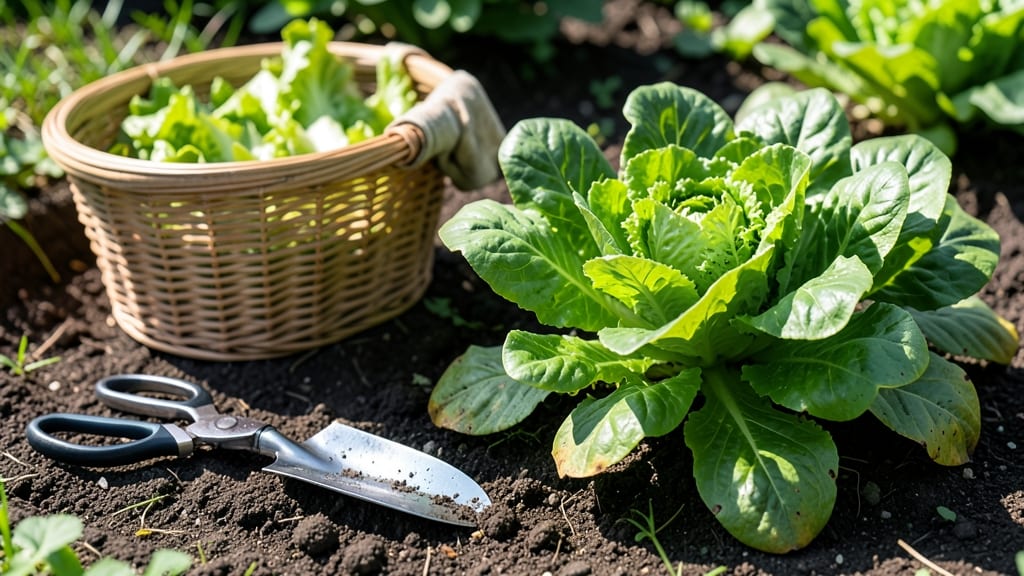
Harvesting green leaf lettuce 🥬 at the right time means the difference between a crisp, flavorful salad and a bitter, wilted mess.
Picture this: you’ve nurtured your leaf lettuce for weeks, and now the outer leaves are long enough to pick. But how do you know when they’re truly ready? The secret lies in the crisp stem test—a simple trick that guarantees peak freshness every time.
This method isn’t just about timing; it’s about preserving your plant’s health so you can enjoy a steady harvest all season. Whether you’re a beginner or a seasoned gardener, mastering this technique will help you avoid common mistakes and keep your lettuce thriving.
In this guide, I’ll walk you through the exact steps to harvest your leaf lettuce, from the best tools to use to how to encourage regrowth for a never-ending supply of fresh greens.


The crisp stem test: when and how to harvest green leaf lettuce
Harvesting green leaf lettuce at the right moment transforms your garden into a salad bar of crisp, flavorful leaves. The crisp stem test is my go-to method for determining peak harvest time—it’s simple, foolproof, and guarantees you avoid the bitter disappointment of overgrown lettuce.
This test focuses on the stem's snap, which signals perfect maturity for cutting. When done correctly, you’ll enjoy tender leaves while encouraging the plant to regrow for multiple harvests.
Timing your harvest isn’t just about leaf size—it’s also about seasonal conditions and daily rhythms. For example, morning harvests yield the crispest leaves because evening heat can soften stems. I’ve found that spring and fall are ideal seasons for green leaf lettuce, but even summer varieties benefit from this test.
Let’s break down the exact steps to nail your harvest every time.
How to Harvest Green Leaf Lettuce Using the Crisp Stem Test
- 1 Wait for 4–6 inch leaves: Harvest outer leaves when they reach 4–6 inches long. These leaves should be fully formed but still tender.
- 2 Perform the crisp stem test: Gently grasp a leaf stem near the base and pull upward. If it snaps crisply (not bends or tears), it’s ready to harvest.
- 3 Harvest in the morning: Cut leaves with clean scissors or shears at a 45-degree angle just above the soil line. Morning harvests (before 10 AM) ensure maximum crispness.
- 4 Leave inner leaves intact: Never harvest more than 1/3 of the plant at once. This encourages regrowth and prevents bolting (flowering).
- 5 Avoid evening harvests: Harvesting after 4 PM can stress plants and reduce crispness. Save evening checks for stem testing only.
- 6 Monitor seasonal timing: In spring and fall, harvest every 7–10 days. In summer heat, harvest more frequently (every 5–7 days) to prevent bolting.
One of the biggest mistakes I see is waiting too long to harvest, which leads to bitter-tasting leaves or plants bolting prematurely. The crisp stem test eliminates guesswork by focusing on stem integrity rather than leaf size alone.
For example, a 6-inch leaf with a mushy stem isn’t ready—it’s past its prime. Always prioritize the snap test over visual cues.
Seasonal timing plays a crucial role in lettuce flavor and yield. In spring, when days are cooler, lettuce grows slowly, so I harvest every 10–14 days to avoid overcrowding. In contrast, fall harvests can be more frequent (every 7 days) because the plant regrows vigorously before frost.
Pay attention to your local frost dates: In USDA Zone 6a, I stop planting after April 15 and August 15 to ensure a full harvest cycle.
After harvesting, always rinse leaves in cold water to remove dirt and pests, then pat dry gently with a clean towel. Storing harvested leaves in a perforated plastic bag in the fridge extends freshness for up to 5–7 days.
Pro tip: Wrap leaves in a paper towel before bagging to absorb excess moisture and prevent sogginess.
If your lettuce starts to bolt (shoot up a flower stalk), it’s a sign you waited too long or the plant experienced heat stress. To prevent this, I mulch around the base to keep roots cool and shade plants during summer afternoons.
Bolting isn’t just a flavor issue—it also means the plant will stop producing leaves, so act fast if you spot a stalk.
For continuous harvests, I’ve found that succession planting every 2–3 weeks in spring and fall keeps my garden producing fresh lettuce. This method ensures a steady supply of crisp, tender leaves without gaps. Pair this with the crisp stem test, and you’ll have a homegrown salad ready year-round.
Remember, the key to green leaf lettuce success lies in consistency and observation. The crisp stem test is your best friend—trust it over rules of thumb. With practice, you’ll develop an instinct for the perfect harvest moment
Proper harvesting techniques to extend lettuce growth and prevent bolting
Harvesting green leaf lettuce correctly is an art that balances immediate gratification with long-term plant health. When done right, you can enjoy a continuous supply of fresh leaves while avoiding the dreaded bolting—when lettuce prematurely flowers and turns bitter.
The key lies in understanding when to harvest and how to do it without damaging the plant's ability to regrow.
Most gardeners make the mistake of harvesting entire heads at once, which stunts future growth. Instead, focus on selective leaf harvesting. This method allows the plant to keep producing new leaves for weeks, giving you a steady harvest.
Start by removing the outer leaves first, as they mature faster than the inner ones. This ensures the plant remains productive while you enjoy the freshest greens.
⚠️ callout-warning
❌ Never pull leaves by hand—this tears stems and invites disease. Always cut with clean scissors or snip with fingers.
❌ Don’t harvest in extreme heat (after 10 AM)—stress causes bolting. Morning harvests preserve crispness.
❌ Remove more than 1/3 of leaves at once—this weakens regrowth. Stagger harvests for best results.
For tools, keep it simple: a pair of sharp scissors or clean fingers work best. Avoid dull blades, which crush stems and create entry points for pests. If you're harvesting in a container, use small pruning shears to avoid damaging neighboring plants.
Always disinfect your tools with rubbing alcohol between harvests to prevent the spread of bacterial leaf spot or other diseases.
After harvesting, inspect your lettuce for signs of stress. Yellowing leaves often signal overwatering or nutrient deficiency, while bitter taste usually means the plant is bolting due to heat stress or drought.
To prevent bolting, keep soil consistently moist (but not soggy) and provide afternoon shade during hot spells. A light application of compost tea can also boost plant resilience and flavor.
To encourage regrowth, trim leaves just above a leaf node—the small bump where new leaves emerge. This encourages the plant to focus energy on producing fresh growth rather than flowering.
After each harvest, water deeply at the base to rehydrate the roots. Avoid wetting the leaves, as this promotes fungal diseases like downy mildew, which can ruin your crop.
With proper technique, a single green leaf lettuce plant can provide harvests for 6-8 weeks or more. The secret is patience and consistency—harvest a few leaves here and there, and your lettuce will reward you with tender, sweet greens all season long.
Just remember: the goal isn’t to take everything at once, but to nurture the plant so it keeps giving.