
How To
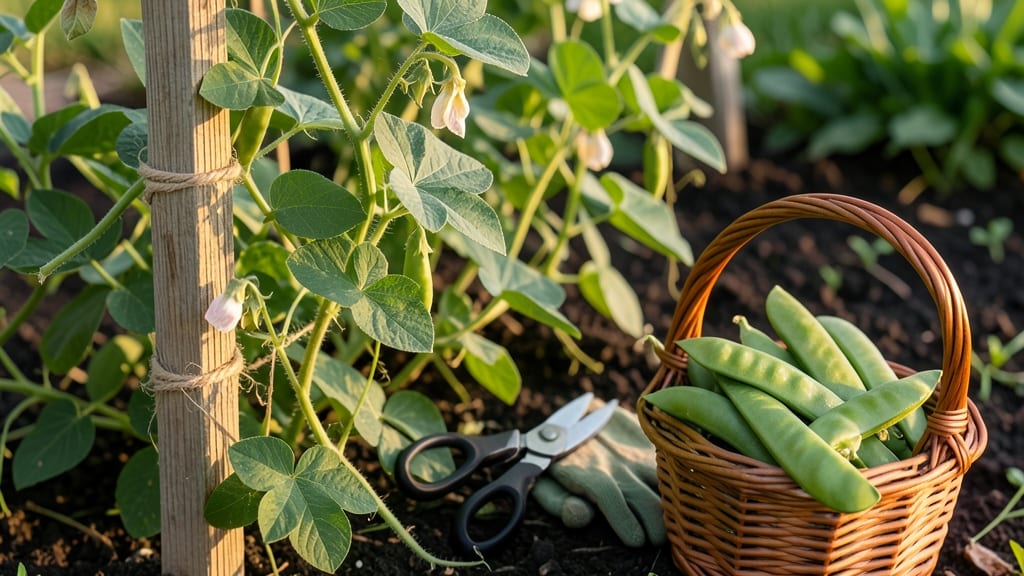
To harvest green peas at their sweetest, pick them when pods are 2-2.5 inches long and bright green 🌱—any later and you’re left with tough, stringy messes.
I’ve learned the hard way that timing is everything: one missed window turns a bounty into a bitter disappointment. The key? Regular checks and a sharp eye for those plump, firm pods before the seeds inside get too big.
Peas don’t wait for you—they ripen fast, especially in spring’s warm snaps. A daily 5-minute scan of your vines keeps production going, but stop too late and the plant will shut down for the season.
Below, I’ll show you exactly how to spot the perfect pea, the best tools to use (spoiler: your fingers work fine), and how to store them so they stay crisp for days.


When to harvest green peas for maximum sweetness and quality
Timing your harvest is the secret to sweet, tender green peas—not tough, stringy pods. The difference between perfect and overripe peas comes down to three key indicators: pod size, color, and texture.
When you miss this window, your peas lose their delicate flavor and become woody and mealy, which is a shame after all your hard work growing them.
Peas reach their peak sweetness when pods are 2 to 2.5 inches long and bright, vibrant green. At this stage, the peas inside are plump but not bulging, and the pods should feel firm yet slightly yielding when gently squeezed.
If you wait too long, the pods will yellow or brown, and the peas inside will shrivel, making them unappetizing.
Here’s the golden rule: Harvest peas within a 2-3 week window once the first pods mature. This tight schedule ensures you get the best flavor and quality while encouraging your pea plants to keep producing. Skipping this window means fewer pods and lower yields, so stay vigilant!
Seasonal timing varies based on your climate. In cool spring climates (like USDA Zone 6a), peas typically mature 60-70 days after planting, starting around late April to early May. In warmer regions or for fall harvests, aim for late summer plantings (August-September) to avoid heat stress, which can stunt pod development.
If you’re growing bush varieties, expect pods to mature all at once, while vining varieties (like Sugar Snap or Snow Peas) produce pods over a longer period.
For vining peas, harvest every 2-3 days to keep the plant productive. Bush peas, on the other hand, can be harvested every 4-5 days once they start flowering.
🌱 Pro Tip: Check your peas daily in peak season—morning harvests are best because the pods are cool and crisp. Avoid harvesting after rain, as wet pods can develop fungal issues or become slimy.
| Ripeness Indicator | Description | Action to Take |
|---|---|---|
| Pod Size | 2–2.5 inches long | Harvest immediately for sweetest flavor |
| Pod Color | Bright, vibrant green | Avoid yellowing or brown pods |
| Pod Texture | Firm but slightly yielding | Squeeze gently—shouldn’t feel hard or mushy |
| Seed Visibility | Peas visible but not bulging | Overripe if seeds are large and hard |
| Stem Flexibility | Stems snap easily when bent | Ready for harvest if pods detach cleanly |
One common mistake is harvesting too late because you think more pods mean a better yield. But overripe peas drain energy from the plant, reducing future production.
If you see yellow or brown pods or hear peas rattling inside, it’s too late—the plant has already shifted resources to seed development.
For continuous harvests, focus on regular picking rather than waiting for all pods to mature at once. This method works especially well for vining varieties, where new pods form every few days.
By removing mature pods promptly, you encourage more flowers and pods to develop, extending your harvest season by 2-4 weeks.
In warmer climates (like Zones 7-9), peas may mature faster due to longer daylight hours. Pay close attention to pod development and harvest earlier than usual—sometimes as early as 50 days after planting—to avoid heat stress.
If temperatures rise above 85°F, peas may stop producing pods entirely, so plan your planting schedule accordingly.
🌿 Final Tip: Keep a harvest journal to track when your peas mature each year. Note the first frost date in your area and adjust your planting schedule to ensure a longer harvest window. With practice, you’ll anticipate the perfect harvest time like a pro!
Step-by-Step green pea harvesting techniques to preserve freshness
Harvesting green peas at the right moment transforms your garden into a sweet, crunchy treasure trove. The key lies in gentle handling and precision timing—peas lose their tenderness fast once picked.
I’ve learned that even a 24-hour delay can turn sweet pods into tough, mealy disappointments. Let’s break down the exact steps to keep your peas at peak freshness.
First, focus on pod firmness and size consistency. Overripe peas develop thick skins and shriveled seeds, while underripe ones taste bland. Aim for pods that are 2-2.5 inches long, bright green, and slightly rounded.
When you gently squeeze them, they should feel firm but yield slightly—like a ripe avocado. This balance ensures maximum sweetness and texture.
How to Harvest Green Peas
- 🌱 Step 1: Check Pod Ripeness
Gently squeeze pods—firm but slightly yielding means they’re ready. Look for bright green color and 2-2.5 inch length.
- ✂️ Step 2: Use the Right Tools
Use clean pruning shears or your fingers to avoid damaging vines. Cut stems 1 inch above the pod to prevent disease.
- 🌿 Step 3: Harvest Frequently
Pick peas every 2-3 days during peak season. This encourages continuous production for 2-3 weeks.
- 💧 Step 4: Handle with Care
Avoid bruising pods—place them in a shallow container immediately. Rinse only if dirty, then pat dry gently.
- 🌡️ Step 5: Know When to Stop
Harvest ends when pods turn yellow or brown or seeds become bulging and hard. Stopping early prevents bitterness.
Post-harvest care is just as critical as the picking process. Store peas in the crispest part of your fridge (usually the vegetable drawer) for up to 5 days.
For longer storage, blanch and freeze them—this locks in flavor and texture. I’ve found that parboiling for 90 seconds before freezing preserves sweetness better than raw freezing.
One mistake I made early on was harvesting too aggressively. Overpicking stresses the plant and reduces future yields. Instead, focus on selective harvesting: pick only the most mature pods while leaving younger ones to ripen. This extends your harvest window by 1-2 weeks and keeps your plants productive.
Remember, the first harvest signals the start of a 2-3 week bounty if you maintain consistency. By following these steps, you’ll enjoy peas that are sweeter, crunchier, and fresher than store-bought—straight from your garden to your plate. Happy harvesting! 🌱