
How To
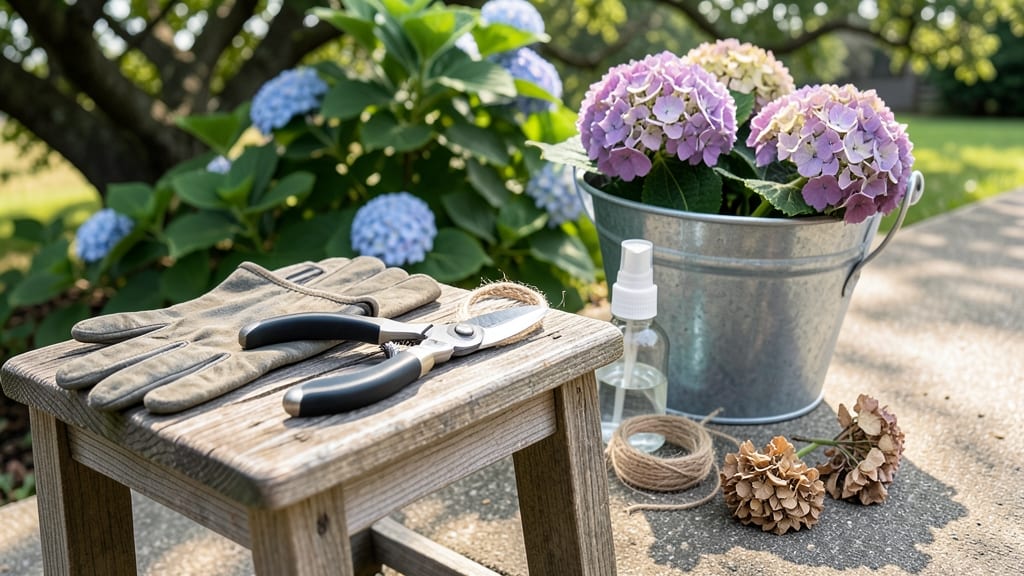
To harvest hydrangeas at their peak for stunning arrangements, cut when blooms are fully open but before they wilt—this 3-5 week window makes all the difference in vase life.
Picture this: you’ve spent months admiring your 🌸 hydrangeas in General (Zone 6 default) gardens, and now it’s time to bring their beauty indoors. But timing is everything—harvest too early, and the blooms won’t fully unfurl; wait too long, and they’ll turn brown and brittle.
In this guide, I’ll walk you through the exact moment to snip those stems, the tools you’ll need, and how to prep them for long-lasting arrangements—whether you’re drying them or floating them in a vase.
You’ll also discover how to avoid common mistakes that cut vase life short, like improper water levels or heat exposure, so your hydrangeas stay fresh for up to two weeks.

When and how to cut hydrangeas for maximum freshness
Harvesting hydrangeas at the perfect bloom stage ensures your cut flowers last 1-2 weeks in arrangements. Unlike many flowers, hydrangeas shine brightest when fully open—not in bud form. This timing preserves their vibrant color and structural integrity for stunning displays.
Most gardeners make the mistake of cutting too early, when buds are still tightly closed. Doing so sacrifices vase life and color vibrancy. Instead, wait until 70-80% of blooms are fully open but before petals turn brown or crispy. This sweet spot balances freshness and longevity.
The best time of day to harvest is early morning, when stems are hydrated and cool. Avoid cutting in midday heat, which stresses the plant and shortens vase life. If you must harvest later, work in shaded areas to prevent wilting.
Gather these essential tools before you start: sharp pruning shears, a clean bucket of water, a flower conditioner (like floral preservative), and a cooling pack for transport. Sharp tools prevent crushed stems, which block water uptake.
Step-by-Step Guide to Harvesting Hydrangeas
- Step 1: Select healthy stems with fully open blooms and woody texture.
- Step 2: Cut stems at a 45-degree angle 2-3 inches below the flower cluster to maximize water absorption.
- Step 3: Remove lower leaves but leave upper foliage to reduce bacterial growth in water.
- Step 4: Immediately submerge cut ends in lukewarm water with flower food to prevent air bubbles.
- Step 5: Store in a cool, dark place (like a refrigerator) for up to 48 hours before arranging.
Pro tip: Harvest on overcast days to avoid stressing the plant. If you’re cutting multiple stems, work one cluster at a time to keep stems hydrated. Never let cut hydrangeas sit in direct sunlight or they’ll wilt faster.
For longer-lasting arrangements, recut stems every 2-3 days and change the water every 48 hours. Add a drop of bleach (1/4 tsp per gallon) to the water to prevent bacterial growth, which causes premature wilting.
Knowing when to harvest hydrangeas isn’t just about timing—it’s about respecting the plant’s natural cycle. Over-harvesting weakens your shrub, so limit cuts to 20-30% of blooms per season. This ensures your hydrangeas thrive year after year while still gracing your home with beauty.
Experiment with different varieties like Endless Summer or Nikko Blue to see which hold up best in arrangements. Some types, like mophead hydrangeas, have denser blooms that last longer than lacecap varieties.
With these techniques, your hydrangeas will stay fresh longer and elevate any vase or bouquet. Happy harvesting—and enjoy those show-stopping floral displays! 🌸
Best practices for storing and preparing harvested hydrangeas
Once you’ve harvested your hydrangeas at the perfect stage, proper post-harvest care is key to keeping them fresh for up to 2 weeks in arrangements. The moment you bring them indoors, focus on hydration and stem health to prevent wilting.
Start by recutting stems at a 45-degree angle—this increases water absorption and keeps blooms vibrant longer.
Place stems immediately in a bucket of lukewarm water with a commercial floral preservative or a DIY mix of 1 tsp sugar and 2 drops bleach per quart of water.
This solution fights bacteria and extends vase life. Avoid cold water, as it can shock the stems and reduce their ability to uptake moisture.
For long-term storage, wrap stems loosely in a damp paper towel and place them in a plastic bag with a rubber band to secure. Store in the fridge crisper drawer (not the freezer) for up to 3 days before arranging.
This mimics cool, humid conditions and slows dehydration. Label the bag with the harvest date to track freshness.
When ready to arrange, trim stems again under water and place in a clean vase filled with fresh preservative solution. Remove any lower leaves that would sit below the waterline to prevent bacterial growth.
Change the water every 2-3 days and recut stems by ½ inch each time to encourage uptake.
To maximize vase life, avoid placing hydrangeas near heat sources like radiators or direct sunlight, which accelerates wilting. Instead, position them in a cool, shaded spot and mist blooms lightly with water daily to maintain moisture. With these steps, your hydrangeas will stay stunning for arrangements that last.
For extra longevity, add a pinch of bleach (1 drop per quart) to the vase water weekly to keep it fresh and clear. This simple trick prevents cloudiness and extends the life of your hydrangea bouquets by days.