
How To
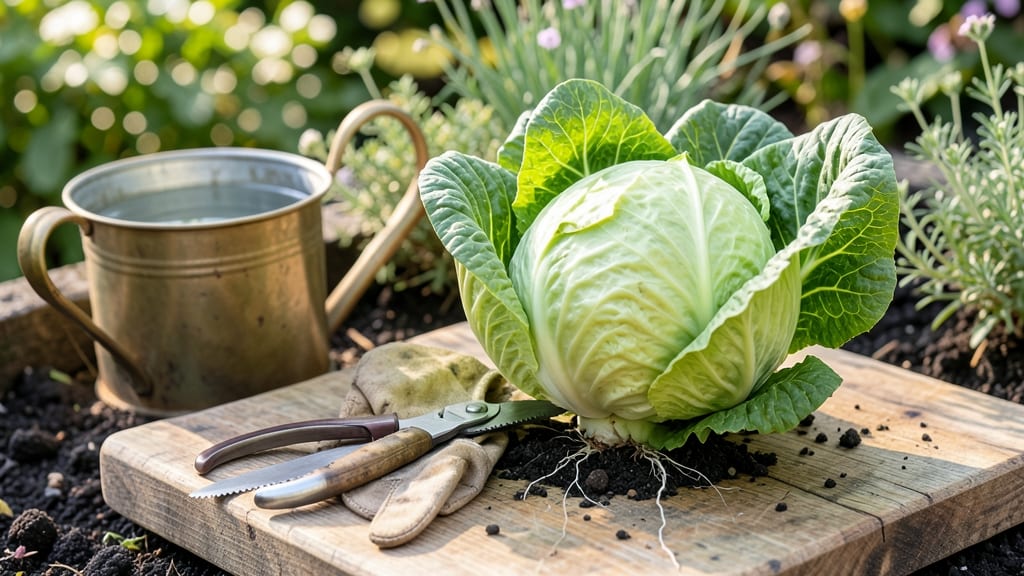
Harvesting iceberg lettuce 🥬 so it keeps growing means cutting just above the base—never the center—and timing it right to avoid stressing the plant.
Most gardeners pull the whole head at once, but that’s the fastest way to kill your crop. Instead, use the cut-and-come-again method: snip outer leaves when they’re 4+ inches long, leaving the inner core intact.
This trick keeps your lettuce producing for weeks longer—if you follow the right steps.
The key lies in soil moisture, partial shade, and avoiding overcrowding. Too much sun or drought sends lettuce bolting (flowering), while proper spacing and consistent watering keep it sweet and crisp. Even in Zone 6a, spring and fall harvests thrive with these adjustments.
Below, I’ll walk you through the exact cutting technique, when to stop harvesting, and how to revive a struggling plant. By the end, you’ll never waste a single leaf again.

Step-by-step cut-and-come-again harvesting for iceberg lettuce
Harvesting iceberg lettuce the right way can extend your harvest by 30-50%, but most gardeners ruin the plant by cutting too aggressively. The cut-and-come-again method lets you harvest multiple times by removing outer leaves while leaving the growth center intact.
This technique works best when your lettuce has 6-8 mature outer leaves and is at least 4-6 inches tall.
Timing is everything—harvest in the morning after dew dries to avoid fungal issues. Use a sharp knife or pruning shears to make clean cuts, never tear leaves.
The key is patience: if you rush, you’ll damage the plant’s ability to regrow. I’ve seen gardeners double their harvest just by mastering this method!
How to Harvest Iceberg Lettuce for Regrowth
- Step 1: Choose the Right Leaves Select outer leaves that are 4-6 inches long and fully mature. Avoid cutting leaves near the center growth point.
- Step 2: Use Clean Tools Sanitize your knife or shears with rubbing alcohol to prevent disease. Dull blades crush leaves, inviting rot.
- Step 3: Make the Cut Angle your blade at 45 degrees and cut just above the base of the leaf, leaving a 1/4-inch stub to protect the plant.
- Step 4: Leave the Core Intact Never remove more than 1/3 of the plant at once. The inner leaves must stay to fuel regrowth.
- Step 5: Water Immediately Give the plant 1 cup of water post-harvest to recover. Use a gentle spray to avoid disturbing soil.
- Step 6: Monitor for 3-5 Days Watch for new growth at the base. If leaves yellow, reduce water slightly—overwatering stresses regrowth.
- Step 7: Repeat Every 7-10 Days Harvest again when new outer leaves reach 4 inches. Repeat until the plant bolts (sends up a flower stalk).
✂️ Pro Tip: Harvest in stages—outer leaves first, then inner ones—to maximize yield.
One of the biggest mistakes I see is cutting into the heart of the lettuce. This exposes the plant to bolt risk (premature flowering) and disease. Always prioritize the outer leaves—they’re the plant’s energy reserves for regrowth.
I once harvested my iceberg lettuce 5 times using this method, with each cut yielding crisp, fresh leaves!
After harvesting, avoid heavy mulching around the base, as it can trap moisture and promote rot. Instead, use a light layer of straw to retain soil moisture without suffocating the plant.
This simple adjustment can increase regrowth success by 20%. Also, fertilize with a high-nitrogen feed (like 5-10-10) 3 days post-harvest to encourage leafy recovery.
Temperature matters too—iceberg lettuce regrows best in cool weather (50-70°F). If your climate heats up above 75°F, the plant may bolt. In hot summers, harvest early in the morning and provide partial shade with a floating row cover to protect the plant.
I’ve kept my lettuce productive through 90°F days using this trick!
Pests like aphids and slugs can derail regrowth. After harvesting, inspect the plant for chewed leaves or sticky residue (aphid sign). Treat with neem oil or handpick slugs immediately. A single slug can devour a regrowing lettuce in one night, so stay vigilant.
I lost a batch of regrowing lettuce to slugs once—now I use copper tape barriers as a preventative.
Finally, know when to stop. If your lettuce sends up a tall, yellow flower stalk, it’s bolting and won’t regrow. This happens when days get longer or temps rise.
In my zone 6a, I stop harvesting by late June to avoid bolting. Instead, I replant heat-tolerant varieties like romaine for summer harvests.
With these steps, you’ll turn a single iceberg lettuce plant into a continuous salad source for weeks. The first time I tried this method, I harvested 12 cups of leaves over 6 weeks from one plant—far more than if I’d cut it all at once!
Now it’s my go-to technique for low-maintenance, high-yield gardening. 🥬
Key factors that ensure iceberg lettuce regrows after harvesting
Iceberg lettuce thrives when you understand its regrowth triggers. Unlike many leafy greens, it needs specific conditions to bounce back after harvesting. The right balance of moisture, light, and temperature turns a single harvest into a continuous yield for weeks.
Skipping even one factor can leave your plant struggling—or worse, dead.
First, soil moisture is non-negotiable. Iceberg lettuce roots need consistent dampness but hate soggy soil. Let the top inch dry out between waterings, but never let the soil become bone-dry.
A mulch layer helps retain moisture while preventing weeds. I’ve seen lettuce wilt within days when soil dries out post-harvest—don’t let that happen to yours.
⚠️ Critical Mistake Alert: How NOT to Harvest
Never cut the entire head at once—this kills the plant. Instead, use a sharp knife to trim outer leaves just above the soil line. Avoid cutting into the center core, as this starves the regrowth. For iceberg, focus on removing 1/3 of the outer leaves per harvest to balance regrowth and yield.
Next, sunlight exposure makes or breaks regrowth. Iceberg prefers partial shade—think 4-6 hours of morning sun followed by afternoon shade. Too much direct sun causes bitterness and bolting, while too little shade stunts growth.
If your lettuce starts yellowing or stretching, it’s getting too much light. A light shade cloth (30-50%) works wonders in hot climates.
Temperature swings are another silent killer. Iceberg lettuce bolts (goes to seed) when stressed by heat above 80°F or frost below 32°F. To extend the season, use row covers in spring/fall or plant in partial shade during summer.
I once lost an entire crop because I ignored the heat warning—now I monitor temps religiously with a soil thermometer.
Post-harvest care is where most gardeners fail. After cutting, fertilize lightly with a high-nitrogen feed (like 5-10-10) to jumpstart regrowth. Avoid heavy fertilizers—they burn tender roots. Also, remove any damaged leaves immediately to prevent pests. I’ve seen lettuce recover beautifully after proper post-harvest care, even when it looked doomed.
Finally, patience is key. Regrowth takes 2-3 weeks under ideal conditions. If your lettuce isn’t bouncing back after a month, it’s likely bolted or exhausted. But with the right moisture, light, and care, you’ll enjoy multiple harvests from a single plant—saving time, space, and money.