
How To
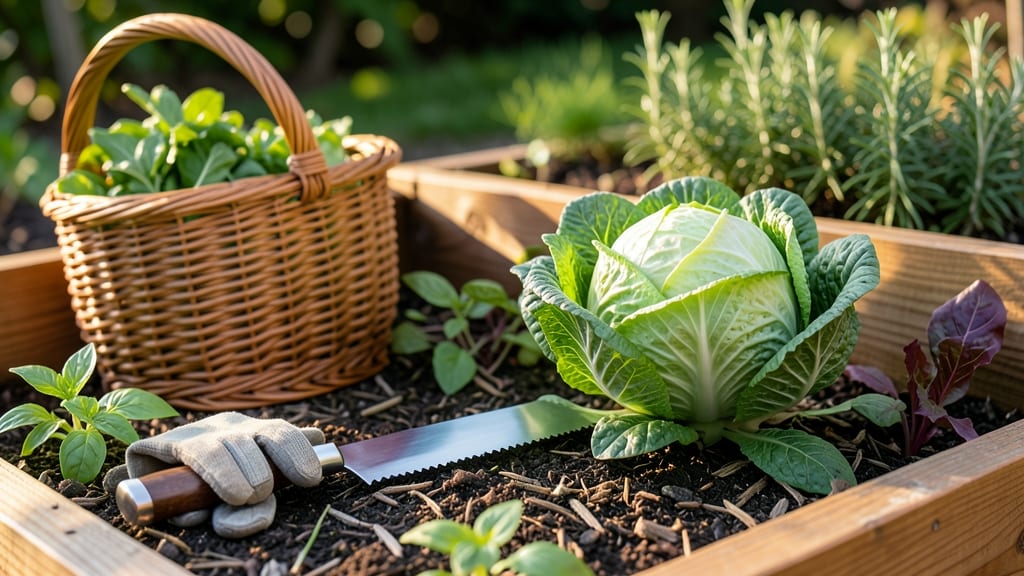
Harvesting iceberg lettuce at the right time ensures you get crisp, flavorful heads every time 🥬 — but timing is everything, and many gardeners miss the window.
Picture this: you’ve nurtured your Iceberg Lettuce for months, only to cut into a head that’s wilted or bitter. That’s the difference between a perfect harvest and wasted effort. The key is knowing when the leaves are firm, tightly packed, and ready to eat.
In this guide, I’ll walk you through the exact signs to look for—like vibrant green color and a sturdy stem—and the best way to cut or pick your lettuce without damaging the plant.
You’ll also learn how to store your harvest for weeks of freshness, whether you’re keeping it in the fridge or freezing for later.
Ready to maximize your yield and enjoy crisp, homegrown lettuce all season? Let’s dive into the step-by-step process so you never waste another leaf.

When and how to harvest iceberg lettuce for maximum crispness
Timing your iceberg lettuce harvest is everything—pick too early, and you’ll get loose, bitter leaves. Harvest too late, and the heads turn tough or bolt. The ideal harvest window for iceberg lettuce is 75 days after planting, when heads reach 10-12 inches wide and feel firm like a baseball.
In warmer climates (USDA zones 8-10), this typically means harvesting in late spring to early summer, while cooler zones (6-7) may extend into June or July.
Look for vibrant green leaves that are tightly packed and crisp to the touch. The outer leaves should curl slightly at the edges, indicating maturity.
If you see yellowing or wilting, the lettuce is past its prime—bolting (sending up a flower stalk) can happen within 2-3 days of these signs. In my garden, I’ve learned that morning harvests preserve crispness best, as evening heat can make lettuce limp by cutting time.
Here’s a quick reference for the perfect harvest moment:
| Harvest Indicator | What to Look For | Action |
|---|---|---|
| Days to Maturity | 70–80 days (varies by climate) | Mark planting date; harvest when heads are firm |
| Head Size | 10–12 inches wide | Measure with ruler; avoid oversized heads |
| Leaf Texture | Crisp, tightly wrapped | Gently squeeze; should resist slight pressure |
| Color | Deep, even green (no yellow or brown) | Discard heads with discoloration |
| Stem Firmness | Thick, sturdy (lifts easily) | Grip base; should feel solid, not hollow |
| Seasonal Adjustments | Cooler climates: Harvest 5–7 days later | Extend growing season with shade cloth if needed |
To harvest, use a sharp knife or pruning shears to cut the head at the base, leaving 1 inch of stem attached. This prevents damage to the root system and encourages regrowth of outer leaves for a second harvest.
Avoid pulling heads by hand—this can uproot younger lettuces nearby and leave jagged stems that spoil faster.
If you’re harvesting individual leaves (a common practice in container gardens), use clean scissors to snip outer leaves just above the soil line. This method works best with loose-leaf varieties, but iceberg lettuce can also be harvested this way if you leave the inner core intact.
Just be prepared for slower regrowth compared to butterhead types.
After cutting, rinse lettuce under cold water to remove dirt and debris, then pat dry with a paper towel. Store harvested iceberg lettuce in the crisper drawer of your fridge, wrapped in a damp paper towel inside a plastic bag.
This mimics its natural humidity and keeps it crisp for 7–10 days. For longer storage, see my next section on freezing techniques to preserve texture for months.
One pro tip I’ve picked up from local farmers: Harvest on cooler days (below 75°F) to prevent wilting. If your lettuce bolts prematurely (sends up a flower stalk), blame heat stress or long daylight hours. To delay bolting, provide afternoon shade with a 30% shade cloth during summer months.
Remember, iceberg lettuce is annual, so each head is your one shot at perfection. By mastering these harvest cues and techniques, you’ll enjoy restaurant-quality crispness straight from your garden—no store-bought lettuce in sight!
Step-by-step iceberg lettuce harvesting guide with pro tips
Harvesting your iceberg lettuce at the perfect moment transforms a simple garden task into a rewarding experience. The key lies in understanding when to harvest—typically 75 days after planting—and how to cut it to preserve that signature crispness.
Unlike leafy greens, iceberg thrives when harvested whole, but there are exceptions for leaf harvesting if you prefer a staggered approach.
Your choice of harvesting method depends on your goals: whole-head harvesting maximizes shelf life, while leaf harvesting extends the plant's productivity. Both methods require precision to avoid damage.
I’ll walk you through the exact steps, from selecting the right tools to post-harvest care that keeps your lettuce fresh for 7+ days in the fridge.
How to Harvest Iceberg Lettuce: Step-by-Step
-
Step 1: Choose Your Method
Decide between whole-head harvesting (for long-term storage) or leaf harvesting (to extend plant life). Whole heads are best for immediate use or storage.
-
Step 2: Gather Tools
Use a sharp chef’s knife or pruning shears for clean cuts. Avoid dull tools that crush leaves, causing premature wilting.
-
Step 3: Inspect the Head
Look for firm, compact heads (10–12 inches wide) with vibrant green leaves. Avoid heads with yellowing edges or soft spots.
-
Step 4: Cut Whole Heads
Hold the head firmly and cut 1 inch above the base at a 45-degree angle. This prevents water pooling and rot.
-
Step 5: Harvest Leaves (Optional)
For leaf harvesting, snip outer leaves at the base, leaving the inner core intact. This encourages regrowth for 2–3 more harvests.
-
Step 6: Rinse & Dry
Rinse heads under cool water to remove dirt, then pat dry with a clean towel. Moisture trapped in leaves accelerates spoilage.
-
Step 7: Store Properly
Wrap whole heads in paper towels and place in a plastic bag with holes for airflow. Store at 32–35°F in the fridge’s crisper drawer.
After harvesting, post-harvest care is just as critical as the cutting process. Iceberg lettuce is highly perishable, so controlling humidity and temperature is key.
I’ve found that storing heads in a ventilated container with a paper towel absorbs excess moisture, preventing sliminess and extending freshness by up to 10 days.
For gardeners in hot climates, harvest early in the morning when temperatures are cooler. This reduces stress on the plant and maintains crispness. If you’re harvesting in fall or winter, avoid cutting during frost—iceberg lettuce freezes easily, turning mushy and unappetizing.
Pro tip: If your iceberg lettuce starts to wilt after a few days, don’t toss it! Place the head in ice water for 10–15 minutes to revive crispness. This trick works wonders for restoring texture without sacrificing flavor.