
How To
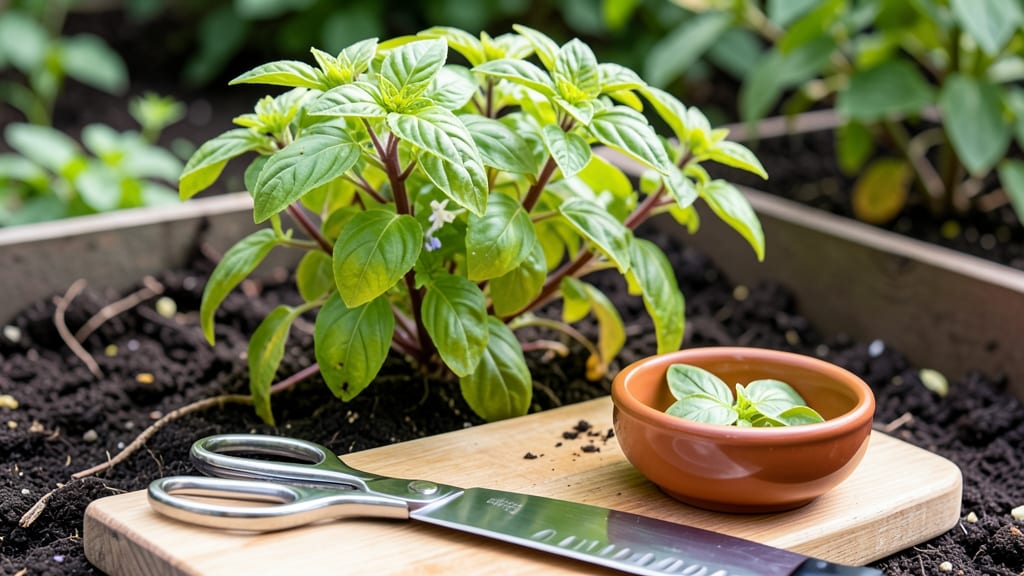
Harvesting lemon basil at the right time keeps its bright 🍋 flavor and your plant growing strong—here’s exactly how to do it without killing your crop.
Lemon basil’s bright, citrusy flavor makes it a kitchen staple—but if you let its stems turn woody, you’ll lose both harvests and flavor. Mastering the right harvesting techniques keeps your plant thriving and ensures a steady supply of fresh leaves all season long.
You’ll want to start harvesting once your lemon basil reaches 6-8 inches tall and the leaves smell strongly of lemon when crushed. Cutting too early means smaller yields, while waiting too long turns the stems tough and bitter.
Below, I’ll walk you through the best cutting methods, how to encourage regrowth, and what to do with your harvests so nothing goes to waste—plus the one big mistake that ruins more lemon basil plants than you’d think.

When and how to harvest lemon basil for maximum flavor
Timing your lemon basil harvest is everything—cut too early, and you miss peak flavor; wait too long, and the stems turn woody and bitter. The sweet spot arrives when your plant reaches 6-8 inches tall with dark green, glossy leaves and a bold lemon scent.
This usually happens 60-90 days after planting, depending on your climate and growing conditions.
I’ve learned the hard way that harvesting at the wrong time doesn’t just dull the flavor—it stresses the plant. When stems harden, the plant shifts energy from leaf production to seed development, leaving you with sparse, less flavorful harvests.
The key is to act before the stems thicken but after the plant has established enough foliage to bounce back.
Here’s how I determine if my lemon basil is ready for harvest: I run my fingers along the stems. If they feel firm but still tender (like a pencil eraser), it’s prime time.
If they’re hard and fibrous, you’ve missed the window. The leaves should also be rich green, not yellowing or curling—a sign of stress or over-maturity.
| Harvest Stage | Plant Height | Stem Condition | Leaf Color | Aroma Test | Action |
|---|---|---|---|---|---|
| Too Early | Under 4 inches | Soft, flexible | Pale green | Mild or none | Wait 2-3 weeks |
| Perfect Time | 6-8 inches | Firm, tender | Dark green, glossy | Strong lemon scent | Harvest 1/3 of plant |
| Over-Mature | 10+ inches | Woody, hard | Dull green/yellow | Weak or bitter | Prune aggressively |
When you’re ready to harvest, use clean, sharp pruning shears or scissors to avoid crushing the stems. I always cut just above a leaf node (the point where leaves meet the stem) at a 45-degree angle.
This encourages new growth from that node while keeping the plant’s shape balanced. Never rip leaves by hand—it tears the stems and invites disease.
Seasonal timing matters too. In USDA Zone 6a, I start harvesting in late June and continue until early October before the first frost.
If you’re in a warmer zone, you might harvest year-round, but always pause during extreme heat (above 90°F) or cold snaps (below 50°F), as the plant focuses on survival, not growth.
To maintain continuous harvests, I follow the one-third rule: never take more than one-third of the plant at once. This prevents shock and ensures the plant keeps producing.
For example, if your lemon basil has 24 leaves, harvest 8 leaves (or a few stems with 3-4 leaves each) and leave the rest to regrow.
Watch for overgrown signs like leggy stems or flower buds. These indicate it’s time for urgent pruning. If you see tiny white flowers forming, snip them immediately—they signal the plant is shifting energy to seeds, and the leaves will lose their citrusy punch.
I’ve found that regular pruning (every 2-3 weeks) keeps my lemon basil bushy and flavorful all season.
After harvesting, rinse the leaves under cool water to remove dirt, then pat them dry with a clean towel. Store them in a sealed container in the fridge for up to 5 days, or dry them for longer storage.
The key to a flavorful harvest is consistency—stay on top of pruning, and your lemon basil will reward you with abundant, aromatic leaves all season long.
Pro tip: If your plant looks stressed after pruning, give it a light fertilizer (like a 10-10-10 blend) and extra water. This helps it recover faster and keeps the growth vigorous.
With the right timing and technique, you’ll never run out of fresh lemon basil for your favorite dishes!
Pruning tricks to prevent woody stems and boost growth
Woody stems in your lemon basil signal it’s past its prime, but with the right pruning techniques, you can encourage bushier growth and extend your harvest season. The key is timing—prune when the plant is actively growing, and always use clean, sharp pruning shears to avoid damaging stems.
I’ve found that regular pruning not only prevents woody stems but also stimulates new leaf production, giving you a steady supply of flavorful herbs.
Start by identifying leggy stems—these are the ones that stretch tall and thin, often with fewer leaves. These are prime candidates for pruning. The goal is to cut back about one-third of the plant’s height to encourage branching.
This method works best when your basil is about 6-8 inches tall, which aligns with the ideal harvest window for maximum flavor.
Use your fingers to pinch off the top sets of leaves when the plant reaches 6 inches tall. This encourages the plant to branch out, creating a fuller, more productive bush. Aim for 2-3 sets of leaves from the top to stimulate side growth.
Identify the tallest, leggiest stems and cut them back to just above a leaf node (the point where leaves grow). This redirects energy to the remaining stems, promoting thicker growth. Use clean pruning shears for a precise cut.
Harvest leaves in the morning after dew has dried but before the sun is harsh. Cut just above a leaf node or pair of leaves to encourage new growth. Avoid taking more than one-third of the plant at once to prevent stress.
Don’t toss those pruned stems! Place them in a glass of water and watch as they regrow roots in about 1-2 weeks. Once rooted, transplant them into soil for a new basil plant—it’s free propagation!
If your basil is already leggy or sparse, it’s likely due to lack of sunlight or overcrowding. Move the plant to a sunnier spot (at least 6 hours of direct sun) and thin out crowded stems. Prune back aggressively to encourage new, bushier growth.
For lemon basil that’s already developing woody stems, don’t panic—it’s not the end of your harvest. Cut back the woody stems to the base and focus on pruning the healthier, younger growth.
This method might take a few weeks to show results, but your plant will bounce back with fresh, tender leaves. I’ve seen woody lemon basil recover beautifully after a good pruning session, especially when paired with regular feeding and proper sunlight.
One of my favorite tricks is to prune and propagate at the same time. When you cut back leggy stems, place them in water to root, and use the remaining healthy stems to create a fuller plant.
This two-for-one approach ensures you’re not wasting any part of your harvest and can even double your yield. Plus, it’s a great way to share basil with friends or expand your garden!
Consistency is key when it comes to pruning lemon basil. Aim to prune every 4-6 weeks during the growing season to maintain a bushy, productive plant. If you notice new growth slowing down or stems becoming woody again, it’s time for another round of pruning.
With these techniques, your lemon basil will stay lush, flavorful, and ready for harvest all season long.
Finally, always prune with clean tools to avoid introducing diseases. Wipe your pruning shears with rubbing alcohol between cuts, and avoid pruning when the plant is wet or during humid conditions. A little prevention goes a long way in keeping your basil healthy and productive.