
How To
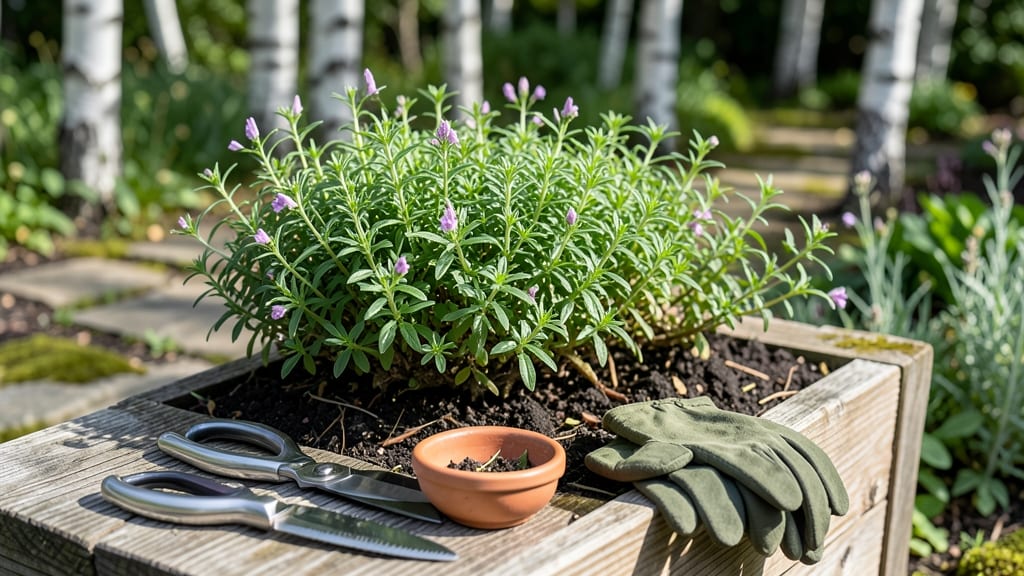
To harvest lemon thyme at its peak flavor, focus on young stems before they turn woody 🌿 — timing and technique make all the difference between vibrant leaves and bitter disappointment.
Picture this: you’ve nurtured your lemon thyme for months, and now the stems are thickening, the leaves losing their bright green hue. That’s your cue to act before the plant’s citrusy punch fades for good.
Harvesting at the right moment—when leaves are dark green and fragrant—ensures you get the most potent flavor while encouraging bushier regrowth. Below, I’ll walk you through the best times, tools, and methods to keep your lemon thyme thriving.
You’ll also discover how to revive woody stems, store your harvest, and even use it in recipes or as a natural air freshener—because why let that hard work go to waste?

When to harvest lemon thyme for maximum flavor and growth
Harvesting lemon thyme at the right time ensures bold citrus flavor and vigorous regrowth. The best window starts when your plant reaches 3-6 inches tall and shows dark green, abundant leaves. If you wait too long, stems become woody and hard, while leaves lose their vibrant aroma.
Timing matters most between late spring and early fall—typically June through September in most USDA zones. This aligns with your plant's peak growth phase when leaves are most potent. Avoid harvesting in winter months or during dormant periods, as this stresses the plant.
Look for these key visual cues: leaves should be fully developed with a strong lemon scent when crushed. If stems feel slightly woody but not rock-hard, it’s prime harvest time. Overly hard stems mean you’ve missed the window—your thyme may need rejuvenation pruning instead.
Here’s a quick reference to identify ready-to-harvest vs. not-ready lemon thyme:
| Sign | Ready to Harvest | Not Ready |
|---|---|---|
| Leaf Color | Dark green and abundant | Sparse, pale, or yellowing |
| Aroma | Strong lemon scent when crushed | Mild or no scent |
| Stem Condition | Slightly woody but flexible | Soft and bendable |
| Plant Age | 3+ months old | Younger than 3 months |
| Height | 3-6 inches tall | Under 3 inches |
Seasonal timing also plays a role. In spring, focus on harvesting new growth to encourage bushiness. By summer, you can harvest more aggressively since the plant is established. In fall, slow down harvesting as growth naturally tapers off before winter dormancy.
Never harvest more than one-third of the plant at once, or you risk stunting future growth. Lemon thyme is resilient, but over-harvesting leads to bare stems and reduced flavor. If your plant looks leggy or sparse, it’s a sign you’ve harvested too much—time to adjust your schedule.
Pro tip: Harvest in the morning after dew dries for the strongest flavor. This ensures leaves are hydrated and packed with essential oils. Avoid harvesting after rain or late in the day, as moisture can dilute the lemony aroma.
If your lemon thyme starts producing flower buds, harvest before blooming to preserve flavor. Once flowers appear, the plant shifts energy to reproduction, and leaves become less aromatic. Pinch off buds early to redirect growth back to leaf production.
For container-grown thyme, harvest outer stems first to encourage center regrowth. This prevents the plant from becoming overcrowded or woody in the middle. Always use clean, sharp pruners or your fingers to avoid damaging stems.
With the right timing, your lemon thyme will stay lush, fragrant, and productive for years. Watch for these cues, and you’ll always know when to harvest for maximum flavor and growth—without sacrificing your plant’s health. 🌿
Step-by-step harvesting methods to preserve lemon thyme’s potency
Harvesting lemon thyme correctly ensures your plant stays lush and flavorful. The key is targeting the right parts of the plant—new growth and mature leaves—while avoiding over-pruning. Use the wrong technique, and you’ll end up with woody stems and weak regrowth.
I’ve found that timing and precision make all the difference in keeping my lemon thyme thriving.
Start by choosing the right tools: sharp pruning shears for thicker stems or your fingers for delicate leaves. Avoid dull blades, which can crush stems and damage the plant. The goal is to encourage bushier growth, so focus on cutting just above a leaf node where new shoots will emerge.
This simple step transforms a leggy plant into a dense, aromatic bush.
How to Harvest Lemon Thyme
- 1 Select healthy stems with 3-4 sets of leaves. Avoid cutting more than 1/3 of the plant at once.
- 2 Use clean pruning shears or pinch leaves with your fingers just above a leaf node.
- 3 Harvest in the morning after dew dries to preserve oil potency and flavor.
- 4 Store harvested leaves in a paper bag in the fridge for up to 2 weeks or dry them in bundles.
- 5 After harvesting, water the plant at the base to encourage new growth from the roots.
For the best flavor, always harvest before flowering, as the oils concentrate in the leaves. I’ve noticed that stems harvested in late morning retain their citrusy aroma longer than those picked in the afternoon.
Once you’ve harvested, rinse the leaves gently and pat them dry to remove any dirt or debris.
Post-harvest care is just as important as the cutting process. After harvesting, trim any yellow or damaged leaves to redirect the plant’s energy toward new growth. I’ve seen my lemon thyme recover beautifully after a light trim, producing fresh, vibrant leaves within weeks.
Consistency is key—harvest every 4-6 weeks to maintain a bushy, productive plant.
If you’re drying your harvest, bundle the stems and hang them upside down in a dark, well-ventilated area for 1-2 weeks. Once dry, strip the leaves and store them in an airtight container away from light.
This method preserves the lemony aroma for months, perfect for winter cooking or ornamental use.
Remember, the more you harvest correctly, the more your lemon thyme will reward you with lush, fragrant growth. With these techniques, your plant will stay vibrant and productive all season long. Happy harvesting! 🌿