
How To
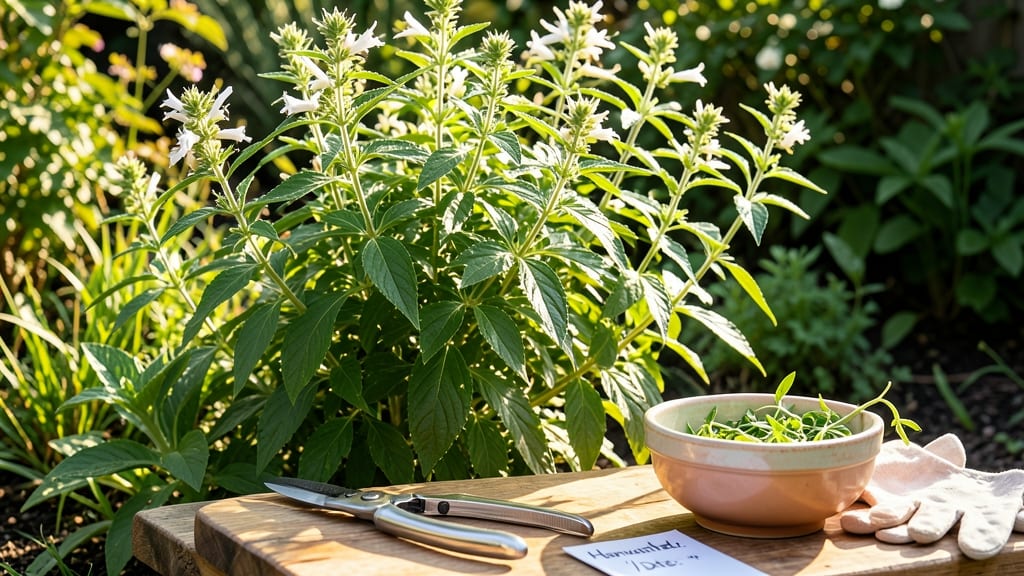
Harvesting lemon verbena at the right time unlocks its boldest citrus flavor 🌿 — and skipping these steps means losing that signature zing.
Picture this: You’ve waited months for your lemon verbena to thrive, only to snip leaves at the wrong moment and end up with weak, flavorless stems. That’s the difference between a fragrant, lemony harvest and a sad, underwhelming one.
The key lies in timing, technique, and knowing exactly when to cut for peak potency.
In this guide, I’ll walk you through the best months to harvest (spoiler: it’s not just summer), how to prune for regrowth without stressing the plant, and the simple tools you’ll need.
Whether you’re drying bundles for tea or freezing leaves for winter cooking, these tricks ensure your lemon verbena stays vibrant—and delicious—for years.
Ready to turn your garden’s citrusy star into a culinary game-changer? Let’s dive into the step-by-step methods that keep your plant happy and your harvests bursting with flavor.

When and how to harvest lemon verbena for maximum flavor
Harvesting lemon verbena at the right time ensures the brightest citrus flavor and strongest aroma. The key lies in timing—morning harvests preserve essential oils, while evening cuts can dilute potency. I’ve found that younger leaves pack the most intense flavor, but mature plants reward patience with higher yields.
Seasonal timing also matters: peak harvest windows align with summer’s warmth, when the plant’s oils are most concentrated.
Before you begin, identify the optimal signs of readiness: leaves should be bright green and glossy, with a distinct lemon scent when crushed. Avoid harvesting after flowering—this shifts energy from leaves to seed production, weakening flavor.
I recommend starting harvests when your plant reaches 12-18 inches tall, typically 60-90 days after planting, depending on your climate.
- 1 Best Time of Day: Harvest between 8 AM and 10 AM when essential oils peak after morning dew evaporates. Evening harvests risk damp leaves, which can cause mold.
- 2 Leaf Selection: Prioritize younger, tender leaves (top 1/3 of stems) for maximum citrus intensity. Mature leaves are milder but yield more volume.
- 3 Seasonal Window: Harvest from mid-summer to early fall (July–October) when temperature and sunlight optimize oil production. Avoid harvesting after first frost (October 30 in Zone 6).
- 4 Tools Needed: Use sharp pruning shears (cleaned with rubbing alcohol) to make clean cuts just above leaf nodes. Avoid tearing leaves, which bruises the plant.
- 5 Harvest Frequency: Never take more than 1/3 of the plant at once. For container-grown plants, harvest every 4-6 weeks; in-ground plants can handle bi-weekly harvests during peak season.
To preserve the lemon verbena’s potent aroma, always harvest on dry, sunny days. Damp conditions can dilute essential oils and invite fungal issues. I’ve noticed that after a light rain, waiting 24 hours ensures leaves are fully dry before harvesting.
This simple step makes a noticeable difference in flavor retention.
When selecting leaves, focus on the top third of stems, where the youngest growth concentrates the most citrus compounds. Mature leaves near the base are less potent but can be used for infusions or teas.
Pro tip: If your plant starts flowering, prune the buds immediately—this redirects energy back to leaf production, keeping flavors sharp.
Seasonal timing is critical for peak flavor. In Zone 6 climates, aim for harvests between July and early October, when temperatures stay warm but before the first frost.
I’ve found that late summer harvests (August–September) often yield the most intense citrus notes, thanks to prolonged sunlight exposure.
After harvesting, process leaves quickly to lock in freshness. If drying, lay leaves on a paper towel-lined tray in a cool, dark place for 24 hours to remove excess moisture before bundling.
For immediate use, store fresh leaves in the fridge for up to 1 week or freeze them in ice cube trays with water for easy culinary use.
One common mistake I see is over-harvesting in a single session. Lemon verbena is resilient, but taking more than 1/3 of the plant stresses it and reduces future yields. Instead, space harvests 2-4 weeks apart during peak season. This approach keeps your plant healthy and productive for years.
For container-grown lemon verbena, harvest more frequently—every 3-4 weeks—since their smaller root systems recover faster. In-ground plants can handle bi-weekly harvests if given proper care. Always water thoroughly after harvesting to support regrowth and maintain soil moisture balance.
Remember, the goal is sustainability. A well-cared-for lemon verbena plant will reward you with years of harvests, provided you follow these timing and technique tips. With the right approach, you’ll enjoy vibrant citrus flavors straight from your garden—no cooking required! 🍋🌿
Step-by-step pruning guide to encourage bountiful growth
Pruning your lemon verbena isn’t just about shaping—it’s a growth hack to boost flavor, density, and longevity. When done right, pruning stimulates new shoots and prevents woody stems, keeping your plant productive for years. The key? Timing, technique, and avoiding over-trimming mistakes that stress the plant.
I’ve learned the hard way that aggressive pruning in winter can shock lemon verbena, while light trims in spring and summer encourage bushier, more aromatic growth. Whether you’re in Zone 6 or a warmer climate, these steps will keep your plant thriving—no guesswork required.
🌿 Step-by-Step Lemon Verbena Pruning Guide
-
Step 1: Choose the Right Tools
Use sharp, sterilized pruners or clean scissors to avoid tearing stems. A bypass pruner works best for clean cuts. -
Step 2: Prune After Flowering (Late Summer)
Trim back 1/3 of the plant right after flowers fade (around September in Zone 6). This encourages new growth before winter. -
Step 3: Light Pruning in Spring
In April-May, snip tender new shoots to shape the plant. Remove any dead or yellow leaves to redirect energy. -
Step 4: Summer Maintenance Trims
Every 4-6 weeks, trim 1-2 inches from the tips to promote bushiness. Avoid cutting into woody stems—focus on soft growth. -
Step 5: Avoid Winter Pruning
Never prune in fall or winter—lemon verbena is semi-dormant and won’t regrow. Wait until spring warmth signals new growth.
Pro Tip: Always cut just above a leaf node (the bump where leaves grow) to encourage branching.
Timing is everything—pruning at the wrong time can stunt growth or invite pests. For example, cutting back too early in spring (before last frost) risks frost damage to fresh cuts.
In warmer climates (like Zone 8+), you can prune lightly year-round, but always avoid extreme heat or drought periods.
After pruning, give your plant a light fertilizer (like 10-10-10) to support regrowth. I use 1 tablespoon per plant in early morning, followed by deep watering. This combo jumpstarts recovery and keeps your lemon verbena lush and fragrant for your next harvest.
Watch for new shoots emerging within 2-3 weeks—this confirms your pruning worked! If you see sparse regrowth, your cuts may have been too severe. Adjust next time by trimming only the tips of branches instead of major stems.
With consistent pruning, your lemon verbena will reward you with denser foliage, stronger citrus scent, and years of harvests. The secret? Patience and precision—never rush the process! 🌱