
How To
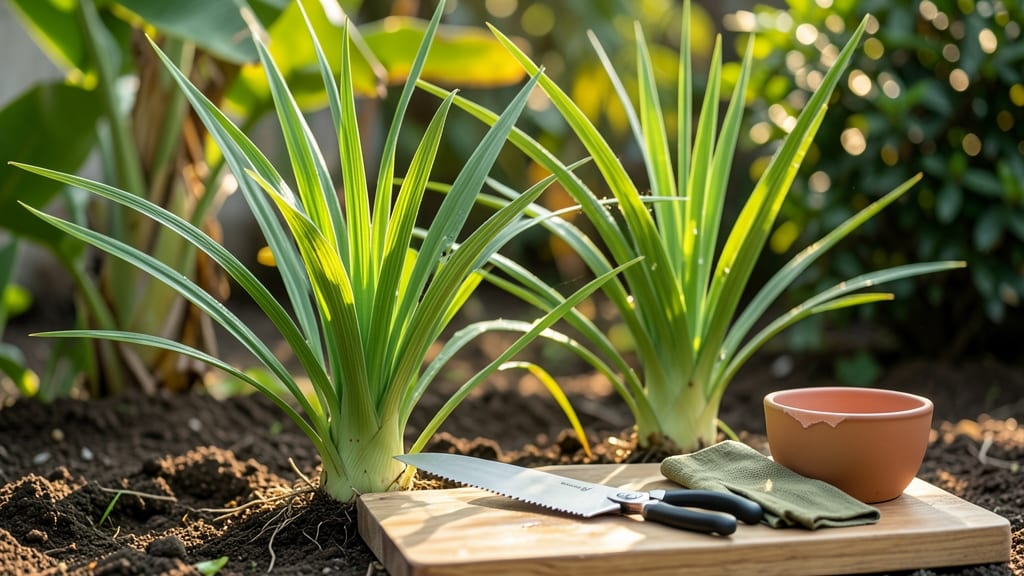
Harvesting lemongrass for tea unlocks a bold, citrusy flavor that transforms your kitchen into a fragrant escape 🌿 — but timing and technique make all the difference.
Picture this: you’ve waited months for your lemongrass to mature, only to pick stems that taste weak or bitter. That’s why knowing when to cut (before flowering, when stalks are firm and 12+ inches tall) and how to store them (dried or fresh) determines whether your tea shines or fizzles.
In this guide, I’ll walk you through the step-by-step process—from selecting the right stalks to cleaning, trimming, and storing them for maximum flavor. No more guesswork, just a foolproof method for brewing tea that tastes like a tropical vacation in every sip.
Ready to turn your garden into a citrusy tea bar? Let’s dive into the harvesting secrets that’ll have you reaching for the scissors instead of store-bought bags.

When and how to harvest lemongrass stems for maximum citrus flavor
Harvesting lemongrass at the perfect moment ensures your tea bursts with bold citrusy notes. The key is timing—wait until stems reach 12-18 inches tall and develop that signature lemony aroma. This usually happens 60-90 days after planting, when your plants are mature but haven’t yet flowered.
Early harvests yield tender, flavorful stems perfect for brewing, while waiting too long risks bitter, woody flavors as the plant matures.
For the best flavor, focus on harvesting during the peak growing season—typically June through September in most climates. This aligns with USDA Zone 6a conditions, where warm temperatures and long daylight hours maximize essential oil production.
Avoid harvesting after the first frost, as cold stress reduces potency. Instead, prioritize sunny mornings when oils are most concentrated, giving your tea that zesty kick.
| Harvest Stage | Stem Height | Flavor Profile | Best For | Avoid |
|---|---|---|---|---|
| Early Growth | 6-12 inches | Mild, grassy | Infusions, light teas | Over-harvesting |
| Prime Harvest | 12-18 inches | Bold, citrusy | Tea, cooking | Flowering stalks |
| Late Season | 18+ inches | Woody, bitter | Drying only | Fresh use |
When selecting stems for harvest, prioritize thick, upright stalks with vibrant green leaves. Gently crush a leaf to check for a strong citrus scent—this confirms peak flavor. Avoid harvesting stems that are thin, yellowing, or hollow, as these indicate stress or maturity.
For tea, use the lower 6-8 inches of the stem, where essential oils are most concentrated. The upper leaves can be stripped and used fresh or dried for later batches.
Use a sharp pair of pruning shears or a clean kitchen knife to cut stems at a 45-degree angle, about 1-2 inches above the ground. This encourages new growth from the base while preserving the plant’s health.
Never remove more than one-third of the plant at once, or you’ll stunt future harvests. After cutting, rinse stems under cool water to remove dirt, then pat dry with a clean towel to prep for tea.
For year-round tea supply, harvest every 4-6 weeks during the growing season. This maintains consistent flavor and prevents overgrowth. In USDA Zone 6a, your last harvest should occur by early October before the first frost.
Store harvested stems in the fridge for up to 2 weeks or freeze them for longer storage. For dried lemongrass, bundle stems and hang upside down in a dark, dry place for 1-2 weeks until crisp.
Proper harvesting techniques extend your plant’s life and boost tea flavor. Always leave at least 3-4 healthy stalks per plant to ensure regrowth. If you notice yellow leaves or stunted growth after harvest, your plant may need more sunlight or balanced fertilizer.
A 10-10-10 NPK blend applied every 4-6 weeks during summer keeps your lemongrass thriving for multiple harvests.
Seasonal adjustments are key: in summer’s heat, harvest in the early morning to avoid wilting, while fall harvests should focus on younger stems, as older ones may already be woody.
By mastering these techniques, you’ll ensure every cup of tea is packed with bright, citrusy lemongrass flavor, straight from your garden to your mug.
Remember, the scent test is your best friend—if it smells like lemons, it’s ready! With practice, you’ll develop a keen sense for the perfect harvest, turning your garden into a fragrant, flavorful oasis. 🌿
Step-by-step guide to processing lemongrass for tea: from harvest to brew
Once you've harvested your lemongrass stalks, the real magic happens in processing them for tea. Fresh or dried, each method unlocks different flavor profiles—citrusy brightness from fresh leaves or deep, earthy notes from dried stalks.
I’ll walk you through every step, from cleaning to brewing, so your tea shines with bold, aromatic flavor every time.
Start with clean, trimmed lemongrass to ensure your tea is free of dirt, debris, and bitter lower stems. The right preparation transforms your harvest into a fragrant, health-boosting beverage. Whether you’re a tea novice or a seasoned herbalist, these steps will elevate your brew to restaurant-quality.
-
1. Rinse and Clean
Gently rinse stalks under cool water to remove dirt. Use your fingers to loosen any stubborn debris between leaves. Avoid soaking, as excess water dulls flavor. -
2. Trim the Base
Cut off the woody bottom 3-4 inches of each stalk with a sharp knife or scissors. This removes bitter, fibrous parts that overpower your tea. -
3. Choose Your Method
Fresh: Use entire stalks (leaves + tender stems) for bright, citrusy tea. Dried: Bundle stalks and hang upside down in a dry, dark place for 1-2 weeks until brittle. -
4. Store Properly
Fresh: Wrap stalks in a damp paper towel and refrigerate for up to 2 weeks. Dried: Store in an airtight container away from light for 6-12 months. -
5. Prepare for Brewing
For fresh tea, slice stalks into 2-inch pieces. For dried, crush stalks lightly to release oils. Use 1 stalk per cup of hot water for optimal flavor.
Drying lemongrass is ideal for long-term storage and intensifies its aromatic compounds. Hang bundles in a well-ventilated area, away from direct sunlight, to preserve the citrusy essence. Once dried, store in an airtight container to maintain potency for months.
When brewing, experiment with steeping times—3 to 5 minutes for fresh lemongrass yields a lighter tea, while dried stalks benefit from 5-7 minutes for deeper flavor. Add honey or lemon to complement the natural citrus notes.
Pro tip: Use the lower leaves for tea and save the upper, tender parts for cooking. This dual-purpose approach maximizes your harvest’s potential while keeping your tea vibrant and refreshing.
With these steps, every cup of lemongrass tea will be a fragrant celebration of your garden’s bounty. 🌿