
How To
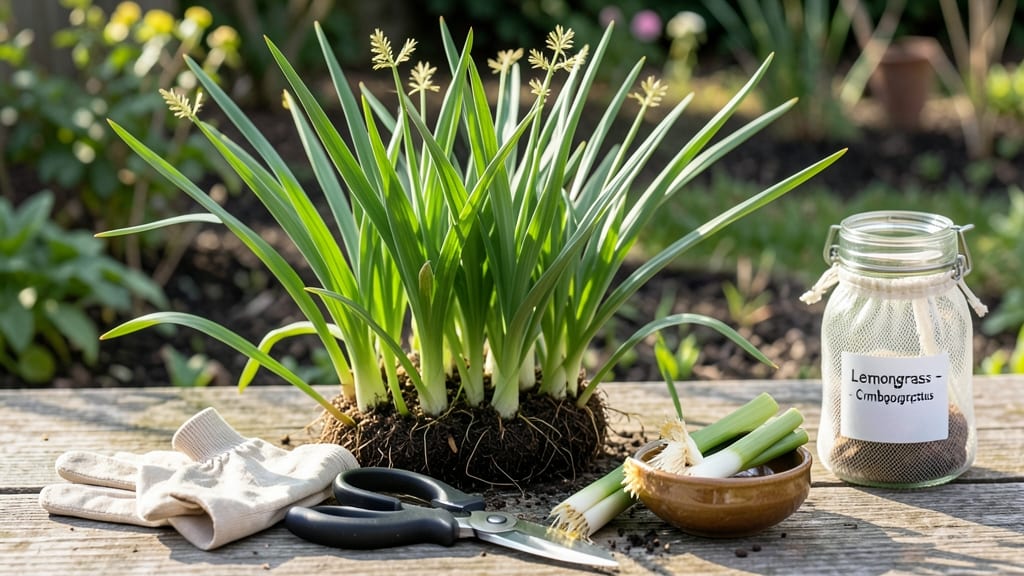
Harvesting lemongrass without killing the plant requires cutting the stems at the right height and angle to trigger regrowth—something even experienced gardeners often get wrong.
Picture this: you’ve waited 60-90 days for your 🌿 lemongrass to mature, only to cut too low and watch your plant struggle to recover.
The key isn’t just when you harvest, but how—and I’ll show you the exact stem-cutting method that keeps your plant thriving while giving you a steady supply of fresh stalks.
Most guides focus on harvesting after the plant is established, but the real secret is in the technique: where to cut, which stalks to leave behind, and how to encourage new growth.
I’ll walk you through the tools you’ll need, the best time to harvest, and the post-cut care that makes all the difference.
By the end, you’ll know how to harvest lemongrass like a pro—without sacrificing future harvests. No more guesswork, just a reliable method that works for USDA Zone 6 and warmer climates alike.

The correct stem-cutting technique to harvest lemongrass safely
Harvesting lemongrass correctly is the key to maintaining a healthy plant that keeps producing fresh stalks for months. Unlike many herbs, lemongrass grows from a thick, fibrous base that regenerates new shoots if cut properly.
The wrong technique—like cutting too low or using dull tools—can stress the plant and reduce future yields. I’ve perfected my method over years of growing lemongrass in USDA Zone 6, and today, I’m sharing it with you to ensure your plant thrives after every harvest.
Before you grab your shears, it’s crucial to understand that lemongrass regrows from its base. Each stalk you harvest should leave behind at least 6 inches of growth to allow new shoots to emerge.
The best time to harvest is when stalks reach 12–18 inches tall and feel firm to the touch. This ensures you’re getting mature, aromatic stems while leaving enough energy in the plant for recovery.
If you wait too long, the stalks become woody and less flavorful, while cutting too early stunts growth.
Now, let’s dive into the step-by-step technique that guarantees your lemongrass stays lush and productive. This method includes the right tools, cutting angle, and post-harvest care to avoid common pitfalls. Follow these steps closely, and you’ll enjoy a steady supply of fresh lemongrass without harming your plant.
How to Harvest Lemongrass Without Killing the Plant
-
Step 1: Gather the Right Tools
Use a sharp pair of pruning shears or a clean kitchen knife to make precise cuts. Dull tools crush stems, inviting disease and slowing regrowth.
-
Step 2: Identify Mature Stalks
Look for stalks that are 12–18 inches tall, plump and firm, and emit a strong citrus scent when crushed. Avoid harvesting the innermost stalks first—they’re the plant’s energy source.
-
Step 3: Cut at the Correct Angle
Hold the stalk at a 45-degree angle, about 1–2 inches above the lowest leaf node. This angle prevents water from pooling on the cut, reducing rot risk. Never cut below the 6-inch mark from the base.
-
Step 4: Harvest Outer Stalks First
Always harvest the outermost stalks to protect the plant’s core. This method encourages the center to grow thicker and healthier. Leave at least 3–4 stalks uncut to maintain the plant’s stability.
-
Step 5: Clean and Store Properly
Rinse the stalks under cool water to remove dirt, then store them in a sealed plastic bag in the fridge for up to 2 weeks. For long-term use, trim the stalks and freeze them in 1-inch pieces.
-
Step 6: Post-Harvest Care
After harvesting, water the base thoroughly to encourage regrowth. Apply a balanced fertilizer (10-10-10) lightly if new growth isn’t visible within 3–4 weeks. Mulch around the base to retain moisture and protect roots.
One of the most common mistakes I see is cutting too close to the base, which severs the plant’s growth point and can kill it. Always leave that 6-inch buffer—this ensures the fibrous roots stay intact and new shoots can emerge.
Another tip: avoid harvesting more than one-third of the stalks at once. Over-harvesting stresses the plant and reduces its ability to recover, especially in hot summer months when growth slows.
Timing your harvest is equally important. In warm climates (Zones 8–11), you can harvest lemongrass year-round, but the best yields come in spring and summer when the plant is actively growing.
In cooler climates like mine (Zone 6), harvest in late spring through early fall before the first frost. If you harvest in winter, protect the plant with mulch or a frost cloth to prevent damage.
Proper tool maintenance is often overlooked but critical. Always sterilize your shears or knife with rubbing alcohol before and after each use to prevent bacterial or fungal infections. A dull blade tears stems instead of cutting cleanly, which can introduce pathogens.
I keep a small bottle of alcohol in my gardening toolkit for quick sanitization—it’s a habit that’s saved my plants from multiple issues over the years.
If your lemongrass isn’t recovering well after harvesting, check for yellowing leaves or soft stems, which can signal overwatering or root rot. In this case, reduce watering and ensure the soil is well-draining.
You can also trim any dead or damaged leaves to redirect the plant’s energy toward new growth. Patience is key—some varieties like Cymbopogon citratus may take 4–6 weeks to regrow after a heavy harvest.
Remember, the goal is sustainable harvesting. By following this technique, you’ll enjoy fresh lemongrass for years without sacrificing the plant’s health. The first few harvests might feel nerve-wracking, but once you see those new shoots pushing through the base, you’ll know you’re doing it right. Happy harvesting!
How to encourage regrowth after harvesting lemongrass
After harvesting lemongrass, your plant needs the right care to bounce back strong. I’ve found that consistent watering, balanced fertilization, and smart pruning make all the difference in encouraging lush regrowth. The key is to mimic natural growing conditions while avoiding stress—especially during the plant’s recovery phase.
First, focus on watering techniques that keep the soil moist but not soggy. Lemongrass roots need steady hydration to recover, but overwatering can rot them. I water my plants deeply in the morning, ensuring the top 2-3 inches of soil stay damp.
A mulch layer around the base helps retain moisture and keeps roots cool.
Next, fertilizer timing is critical. Use a balanced 10-10-10 fertilizer every 4-6 weeks during the growing season (spring to early fall). After harvesting, wait 2-3 weeks before fertilizing again to let the plant recover.
I’ve seen the best results by applying fertilizer in the early morning when the soil is cool and damp.
🌿 Key Takeaway: How to Harvest Lemongrass Without Killing the Plant
Pruning frequency also plays a role. I recommend harvesting outer stalks first, leaving the inner 6 inches of growth intact. This encourages the plant to send out new shoots from the center.
If your lemongrass looks sparse, trim back any dead or yellowing leaves to redirect energy to healthy growth.
Seasonal adjustments are just as important. In summer, increase watering to 2-3 times weekly and provide afternoon shade if temperatures exceed 90°F. During fall, reduce watering slightly and switch to a light fertilizer to prepare for dormancy.
In winter, I let my plants rest—only watering when the soil feels dry to the touch.
With these proven methods, my lemongrass plants not only recover but often produce even more vigorously after harvesting. The secret is patience and consistency—treating your plant like a well-loved houseguest rather than a disposable crop. 🌱