
How To
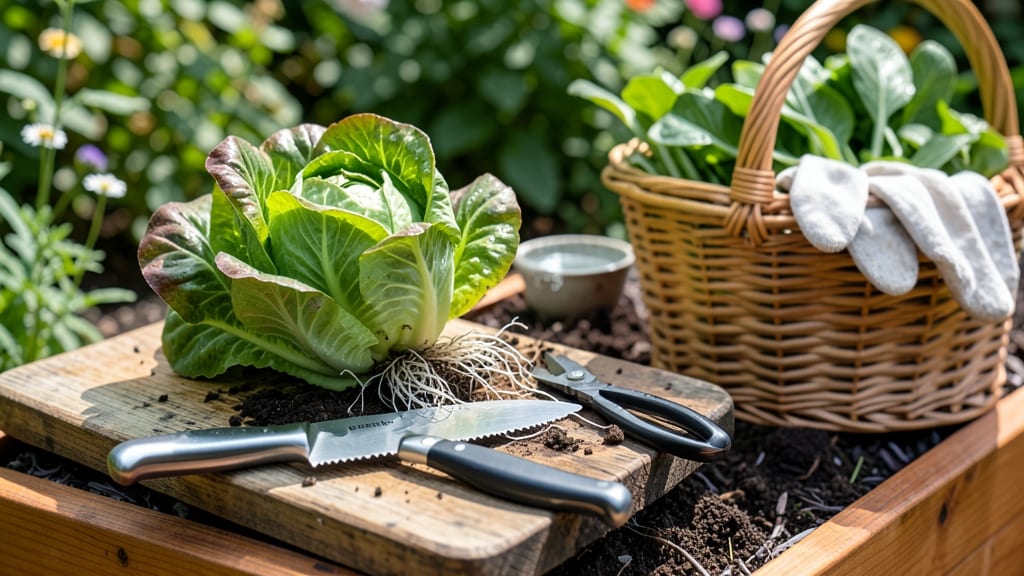
To harvest lettuce at its crispest, time your cuts when outer leaves reach 4-6 inches—before they toughen or bolt into flower stems.
Picture this: you’re about to enjoy a salad packed with vibrant, homegrown 🥬 that tastes nothing like the sad store-bought kind. The secret? Knowing when to snip and how to handle it afterward.
Miss the window, and you’ll end up with bitter, woody greens—or worse, a plant that bolts and goes to seed before you even get a full harvest.
Lettuce doesn’t play by a strict calendar; it’s all about leaf size, texture, and color. In Zone 6a, your spring crop should be ready by late May, while fall lettuce hits its sweet spot in September or October.
But here’s the kicker: even the right timing won’t save you if you’re using the wrong tools or storing it improperly. I’ve made those mistakes (and the wilted pile of greens to prove it).
In this guide, I’ll walk you through the exact steps to harvest lettuce—whether you’re picking individual leaves or cutting the whole head—and share my 5 favorite tricks to keep it crisp for weeks. No more guesswork, just flavor-packed salads straight from your garden.

The perfect timing for harvesting lettuce to maximize crispness
Harvesting lettuce at the right moment transforms your garden into a crisp, flavorful salad bar. The key lies in understanding your lettuce variety—whether it's loose-leaf types like buttercrunch or head lettuce like romaine or iceberg.
Each type has distinct maturity cues that signal peak harvest time, ensuring maximum flavor and texture. Ignoring these cues often leads to bitter, tough leaves or premature bolting (flowering).
For leaf lettuce varieties, you can harvest continuously by plucking outer leaves when they reach 4-6 inches long. This method allows the plant to keep producing new growth for weeks.
In contrast, head lettuce varieties like romaine should be harvested whole once the entire head is firm and compact. Waiting too long risks tough stems and bitter flavors, while harvesting too early means missing out on full flavor development.
Weather plays a crucial role too. Harvest on cool, cloudy mornings to preserve moisture and crispness. Avoid harvesting during hot afternoons or after heavy rain, as this can stress the plant and reduce shelf life.
In hot climates, lettuce may bolt quickly—aim to harvest within 30-45 days of planting, while cooler regions can extend this to 50-60 days.
| Lettuce Type | Harvest Cues | Days to Maturity | Best Time to Harvest |
|---|---|---|---|
| Loose-Leaf (e.g., Buttercrunch, Oakleaf) | Outer leaves 4-6" long, crisp, vibrant color | 25-45 days | Continuously, every 2-3 weeks |
| Romaine (Head Lettuce) | Firm, compact head, deep green color | 45-60 days | Whole head when fully formed |
| Iceberg (Head Lettuce) | Tight, crisp head, pale green/white | 50-70 days | Whole head at peak firmness |
| Butterhead (Head Lettuce) | Soft, rounded head, buttery texture | 35-50 days | Whole head when fully rounded |
Visual cues are your best friends when determining harvest readiness. Look for vibrant, consistent color—pale or yellowing leaves indicate stress or bolting. The leaves should feel firm and crisp to the touch, not floppy or wilted.
For head lettuce, gently squeeze the head—it should feel solid and dense, not hollow or loose. If the core feels soft, you’ve waited too long.
Seasonal timing varies by climate. In USDA Zone 6a, spring lettuce can be harvested from late April to June, while fall crops mature by September-October.
In warmer zones like Zone 9, focus on fall and winter harvests to avoid heat stress. Always plant succession crops every 2-3 weeks for a continuous harvest window.
One common mistake is harvesting lettuce at the wrong time of day. Cutting leaves during peak sunlight hours causes them to wilt faster. Instead, harvest in the early morning when temperatures are cool and moisture levels are high.
This preserves crispness and extends shelf life. After harvesting, rinse leaves gently with cool water and pat dry to remove dirt without damaging delicate tissues.
For continuous harvests with loose-leaf varieties, avoid cutting more than 1/3 of the plant at once. This encourages regrowth and prolongs your harvest season. With head lettuce, harvest the entire plant at once—regrowth is minimal and often results in bitter, tough leaves.
If you miss the harvest window, some varieties like romaine can be lightly trimmed to encourage a second growth cycle, though flavor may decline.
Extreme weather can also affect harvest timing. Heatwaves cause lettuce to bolt prematurely, so provide shade cloth if temperatures exceed 80°F (27°C). In cool climates, a light frost can actually sweeten lettuce, making it ideal for harvest just before the first light freeze.
Always monitor your plants closely and adjust harvest plans based on weather forecasts.
Pro tip: Use a sharp knife or clean scissors to harvest head lettuce, cutting just above the base. For loose-leaf varieties, pinch leaves at the base with your fingers. This minimizes damage and encourages new growth.
Store harvested lettuce in a perforated plastic bag in the crisper drawer of your fridge to maintain crispness for up to 10-14 days. 🥬
Step-by-step lettuce harvesting techniques for different varieties
Harvesting lettuce at the right time transforms your garden into a crisp, flavorful salad bar. The method you choose depends on the variety—whether you're growing loose-leaf, romaine, or butterhead lettuce.
Each type requires a slightly different approach to avoid damage and encourage regrowth. Let’s break down the best techniques for each, plus how to handle your harvest to keep it fresh for days.
For loose-leaf varieties like romaine or leaf lettuce, the key is selective harvesting. You can pluck outer leaves as they reach 4-6 inches while leaving the inner leaves to grow. This method extends your harvest window by weeks.
Meanwhile, butterhead and iceberg lettuce form tight heads and should be harvested all at once when fully mature. Using the wrong technique can stress the plant or ruin its texture.
How to Harvest Lettuce: Step-by-Step
-
Step 1: Choose the Right Time
Harvest loose-leaf lettuce when outer leaves reach 4-6 inches and are crisp but tender. For head lettuce, wait until the head is firm and fully formed, typically 30-60 days after planting.
-
Step 2: Use the Correct Tool
For loose-leaf, use your fingers or clean scissors to snip leaves at the base. For head lettuce, use a sharp knife or pruners to cut the entire head 1 inch above the soil to avoid damaging the roots.
-
Step 3: Harvest Loose-Leaf Lettuce
Gently grasp the outer leaves and pull them away from the inner rosette. Leave at least 2-3 inches of growth to encourage regrowth. Avoid tearing leaves to prevent bolting or pest entry.
-
Step 4: Harvest Head Lettuce
Hold the head firmly and cut it cleanly at the base with a sharp knife. For romaine, you can also harvest individual stalks by cutting them 1 inch above the base to allow new growth.
-
Step 5: Handle Post-Harvest Care
Rinse lettuce immediately after harvest with cool water to remove dirt. Pat dry with a clean towel or paper towels. Store in a plastic bag with a paper towel to absorb moisture and extend freshness for up to 2 weeks in the fridge.
-
Step 6: Encourage Regrowth (For Loose-Leaf)
After harvesting outer leaves, water the base thoroughly and apply a light nitrogen fertilizer to promote new growth. With proper care, you can harvest loose-leaf lettuce 2-3 times in a single season.
One of the biggest mistakes gardeners make is harvesting lettuce at the wrong time. If you pick it too early, the leaves will be bitter and underdeveloped. If you wait too long, the lettuce may bolt (send up a flower stalk), turning tough and bitter.
Always check for crisp texture and vibrant color—these are your best indicators.
For butterhead lettuce, timing is everything. Harvest the entire head when it’s fully rounded but still soft to the touch. If you leave it too long, the leaves will loosen and the flavor will deteriorate.
Meanwhile, romaine can handle a bit more flexibility—you can harvest individual stalks as they mature, allowing the plant to keep producing.
After harvesting, always handle your lettuce with care. Rinse it gently to remove dirt and debris, then pat it dry to prevent moisture buildup, which can cause rot. Store it in the crisper drawer of your fridge, wrapped in a paper towel to absorb excess moisture.
This simple step can extend its shelf life from 3-5 days to up to 2 weeks.
With these techniques, you’ll enjoy a steady supply of crisp, flavorful lettuce all season long—no wilted store-bought greens in sight! 🥬