
How To
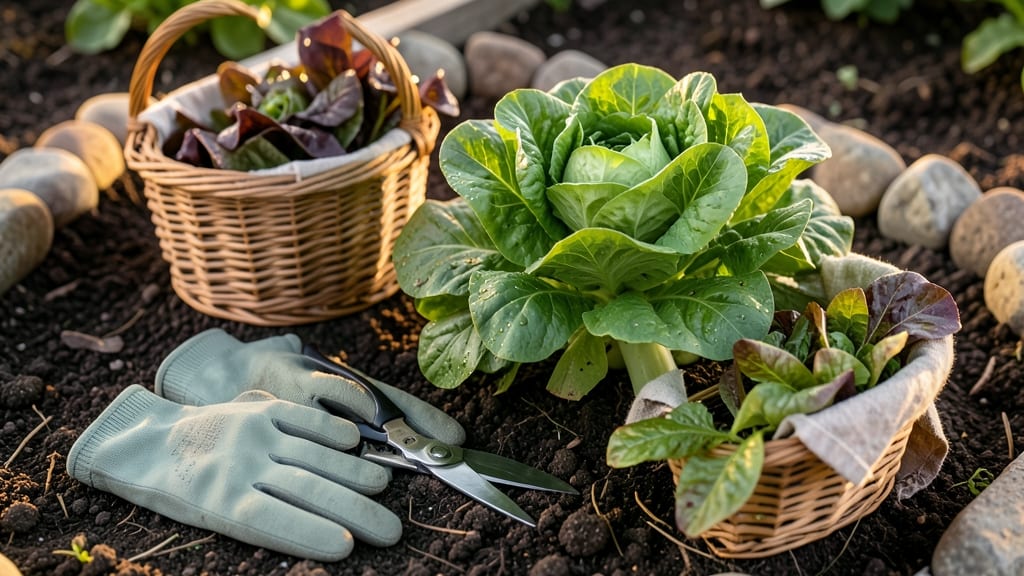
Harvesting lettuce from your garden at the right time means crisp, flavorful leaves every time—no bitter surprises or wasted plants.
Nothing beats the crisp, fresh taste of homegrown 🥬, except maybe the frustration of bolting plants or bitter leaves ruining your harvest. Mastering the perfect timing and technique can transform your garden into a steady supply of fresh greens.
You’ll learn the exact signs to watch for—like leaf size and firmness—so you never harvest too early or too late. Plus, I’ll show you how to cut leaves without damaging the plant, ensuring it keeps producing all season.
From loose-leaf varieties to tight heads, this guide covers everything you need to know for a successful harvest—and how to store your bounty so it stays fresh longer.

When to harvest lettuce for maximum yield and regrowth potential
Timing your lettuce harvest correctly is the secret to enjoying crisp, flavorful greens all season long. Whether you're growing leaf lettuce or head varieties, knowing when to pick ensures you avoid bitterness and maximize regrowth potential. The key lies in understanding your plant's maturity stage and environmental conditions.
For leaf lettuce varieties, you can start harvesting as soon as the outer leaves reach 4-6 inches in length. This early harvesting encourages continuous growth, allowing you to enjoy fresh greens for weeks.
Meanwhile, head lettuce like romaine or iceberg should be harvested when the heads feel firm and reach their full size.
Morning is the best time to harvest lettuce because the leaves are crispest and fullest after overnight hydration. Avoid harvesting during the heat of the day, as this can cause wilting and stress your plants. Early morning also gives you time to clean and store your harvest before it spoils.
Check for harvest readiness by looking for vibrant color, firm texture, and fully developed leaves. Avoid harvesting when leaves are pale, yellowing, or showing signs of bolting (flowering). These are clear indicators that your lettuce is past its prime and may develop bitter flavors.
Here’s a quick reference guide to help you identify the perfect harvest time for different lettuce varieties:
| Lettuce Type | Harvest Timeframe | Harvest Method | Regrowth Potential |
|---|---|---|---|
| Leaf Lettuce (e.g., Buttercrunch, Oakleaf) | 28-45 days | Cut outer leaves (leave 1-2 inches of stem) | High (continuous harvest) |
| Loose-Leaf (e.g., Red Sails, Green Wave) | 30-50 days | Snip individual leaves or small clusters | High (cut-and-come-again) |
| Head Lettuce (e.g., Romaine, Iceberg) | 45-70 days | Cut entire head at base | None (harvest once) |
| Butterhead (e.g., Bibb, Boston) | 50-60 days | Harvest whole head when firm | None (harvest once) |
To encourage regrowth in leaf lettuce varieties, always leave at least 1-2 inches of stem after cutting. This allows the plant to redirect energy to new growth, giving you a second (or third!) harvest.
For head lettuce, harvest the entire plant at once to avoid bitterness and ensure the best flavor.
If your lettuce starts to bolt (shoot up flower stalks), it’s a sign that the plant is transitioning to seed production. Bolting often happens due to heat stress or day length changes. To prevent this, provide afternoon shade during hot months and harvest promptly when leaves reach maturity.
For a continuous harvest, succession plant lettuce every 2-3 weeks throughout the growing season. This ensures you always have fresh greens ready to pick while extending your harvest window. With the right timing and care, you can enjoy homegrown lettuce from early spring to late fall.
Remember, the key to a successful lettuce harvest is patience and observation. Pay attention to your plants' growth stages, and don’t hesitate to taste-test a leaf to check for bitterness.
With practice, you’ll develop an eye for the perfect harvest time—leading to a bountiful and delicious garden all season long. 🥬✂️🌱
Step-by-step lettuce harvesting techniques to avoid bitterness and bolting
Harvesting lettuce at the right time and with the proper technique prevents bitterness and bolting, ensuring crisp, flavorful greens. The key lies in understanding when to cut and how to handle different varieties—whether loose-leaf or head lettuce.
With the right approach, you can extend your harvest season and enjoy fresh greens for weeks.
Start by selecting the right harvesting tools, like sharp pruning shears or a clean knife. Avoid pulling leaves, which can damage the plant. Instead, focus on clean cuts to minimize stress. Timing matters too—harvest in the early morning when leaves are cool and crisp, not wilted from midday heat.
How to Harvest Lettuce from Garden
- Step 1: Choose mature outer leaves (4-6 inches) for loose-leaf varieties. Use clean shears to cut just above the base, leaving the inner leaves intact.
- Step 2: For head lettuce, harvest the entire head by cutting the stem at a 45-degree angle, 1 inch above the soil. This prevents rot.
- Step 3: Rinse leaves under cool water to remove dirt. Gently shake excess water and pat dry with a clean towel or paper towel.
- Step 4: Store harvested leaves in a perforated plastic bag with a damp paper towel. Keep refrigerated at 32-35°F for up to 5 days.
- Step 5: After harvesting, water the plant thoroughly to encourage regrowth. Apply a light nitrogen fertilizer to promote new leaf production.
To prevent bitterness, avoid harvesting during hot weather or when plants are stressed. Use shade cloth (30-50%) during summer months to protect lettuce from direct sunlight, which triggers bitterness. Water deeply in the morning to keep soil consistently moist, but never waterlogged.
Monitor your lettuce for signs of bolting, like tall stems or flower buds. This occurs when plants sense long daylight hours or heat stress. If bolting starts, harvest the remaining leaves immediately and replace the crop with a shade-tolerant variety like arugula or spinach for fall planting.
With these techniques, you’ll enjoy a steady supply of crisp, sweet lettuce all season long. Regular harvesting not only extends your harvest but also keeps your plants healthy and productive. Happy gardening! 🥬