
How To
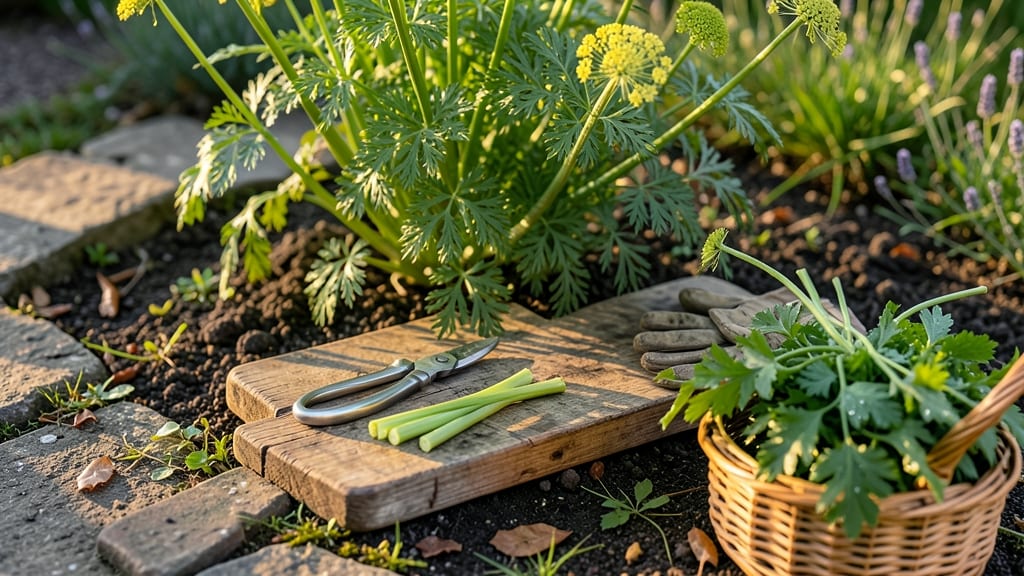
To harvest lovage at its peak—when stems snap easily and leaves stay bright—start in late spring, just as the plant hits 3 feet tall and the foliage smells strongly aromatic.
Picture this: You reach for a stem, and it gives a satisfying crack rather than bending. That’s your cue—harvesting at this stage means maximum flavor and a plant that keeps growing back stronger. Too early, and you’ll be nibbling on tender shoots; too late, and the leaves turn bitter.
Lovage is one of those perennial workhorses that rewards patience, but timing is everything. Cut stems just above a leaf node to encourage regrowth, and avoid stripping the plant bare—think of it like pruning a shrub, not shearing a hedge.
The right technique keeps your lovage thriving for years, not just one season.
In this guide, I’ll walk you through the exact moment to harvest, the tools you’ll need, and how to store your bounty—whether you’re drying bundles, freezing leaves, or using them fresh in soups and stews. No more guesswork, just flavor-packed harvests every time.

When and how to harvest lovage stems for maximum flavor
Harvesting lovage stems at the perfect moment unlocks their boldest celery-like flavor and ensures your plant stays vigorous for years. The key is timing—wait until stems reach 1/4-inch diameter and snap cleanly when bent, signaling peak maturity.
This usually happens in late spring through summer, just before flowering, when the plant’s energy is fully invested in leafy growth. Overlooking this window means missing out on the most aromatic stems, which soften and lose potency once flowering begins.
Lovage’s woody stems are the star of the harvest, but the leaves also deserve attention. Unlike many herbs, lovage’s flavor intensifies as stems mature, making thicker stems (up to 1/2-inch) the most flavorful. However, harvesting too many stems at once can stress the plant.
Aim to cut no more than 30% of the stems in a single session to maintain bushy regrowth. Always leave at least 2-3 healthy stems to sustain photosynthesis.
Before you grab your pruners, test for readiness with a simple scent and snap test. Crush a leaf between your fingers—if it releases a strong, fresh aroma, it’s harvest-ready. Then, gently bend a stem: if it snaps cleanly (not fibers), it’s perfect for cutting.
This method ensures you’re harvesting at the peak of flavor and structural integrity, reducing waste and maximizing your plant’s productivity.
Timing your harvest isn’t just about flavor—it’s also about seasonal growth cycles. In USDA Zone 6, lovage’s primary harvest window spans from June through September, aligning with its rapid growth phase. Early morning harvests yield the freshest stems, as evening dew can dilute their flavor.
If you’re in a cooler climate, extend your harvest into early October before the first frost, but avoid cutting stems after mid-October to protect the plant’s root system for next year.
Step-by-Step: How to Harvest Lovage Stems
- 1 Choose the right stems: Select stems that are 1/4- to 1/2-inch thick and show no signs of yellowing or disease. Avoid cutting stems that are flowering or woody beyond 1/2-inch, as they’ll be tougher and less flavorful.
- 2 Use clean, sharp pruners: Sanitize your pruners with rubbing alcohol to prevent bacterial spread. Cut stems at a 45-degree angle, about 1 inch above a leaf node to encourage regrowth from that point.
- 3 Harvest leaves selectively: Snip individual outer leaves rather than stripping the entire stalk. This method preserves the plant’s ability to photosynthesize while still yielding fresh greens for cooking or drying.
- 4 Leave 2-3 stems uncut: Never harvest more than 30% of the stems in one session. Retaining 2-3 healthy stems ensures the plant can continue producing leaves and storing energy for next year’s growth.
- 5 Store stems properly: Bundle harvested stems and store them in the fridge crisper drawer for up to 1 week. For long-term use, peel and chop stems, then freeze in airtight containers for up to 6 months.
One of the most common mistakes gardeners make is cutting stems too close to the base, which can damage the plant’s crown and reduce next year’s yield. Always leave a 1-inch stub above a leaf node to promote regrowth.
Additionally, avoid harvesting lovage in its first growing season, as the plant needs time to establish a robust root system. Patience pays off—wait until your lovage is at least 1 year old before making your first cuts.
To extend your lovage’s productivity, consider pruning for bushiness in early spring. Cut back any woody or leggy stems by one-third to encourage new growth from the base. This technique not only improves the plant’s appearance but also boosts leaf production, giving you more harvests throughout the season.
Just remember: lovage is a perennial, so proper harvesting now means a bountiful harvest for years to come.
If you’re new to lovage harvesting, start small by cutting just 1-2 stems per plant to gauge your plant’s response. Monitor regrowth over the next 2-3 weeks: healthy lovage will sprout new leaves within 10-14 days of a proper cut.
If you notice yellowing leaves or stunted growth, you’ve over-harvested—scale back to 1 stem per plant every 2 weeks until the plant recovers. Balancing harvest with regrowth is the secret to a thriving lov
Preserving lovage leaves: fresh, dried, OR frozen methods compared
Harvesting lovage leaves at their peak brightness—when they’re deep green and aromatic—is key to preserving their vibrant flavor. The best time to pick leaves is in the morning after dew has dried, when essential oils are most concentrated.
Avoid yellowing by harvesting before leaves reach full maturity, and always use clean, sharp scissors to prevent bruising.
Once harvested, you have three preservation options: fresh storage, drying, or freezing. Each method has trade-offs in convenience, flavor retention, and shelf life. For example, fresh lovage stays crisp for up to 1 week in the fridge, while dried leaves last 6-12 months but lose some moisture.
Freezing is a middle ground, preserving both texture and flavor for up to 9 months.
| Method | Best For | Flavor Retention | Shelf Life | Effort Level |
|---|---|---|---|---|
| Fresh | Short-term use (soups, salads) | ⭐⭐⭐⭐⭐ | 1 week | Low |
| Dried | Long-term storage (spices, teas) | ⭐⭐⭐ | 6-12 months | Medium |
| Frozen | Cooking (stews, sauces) | ⭐⭐⭐⭐ | 9-12 months | Low-Medium |
For fresh storage, wrap leaves in a damp paper towel and place them in a sealed container. Store in the crispest drawer of your fridge, and use within 5-7 days for optimal texture.
This method is ideal for small batches you’ll use quickly, like garnishing soups or blending into pestos.
Drying lovage leaves is the most space-efficient method but requires patience. Bundle stems and hang them upside down in a dark, well-ventilated area for 2-3 weeks. Once fully dried, strip the leaves and store them in an airtight container away from light.
Dried lovage is perfect for infusing oils or adding to winter stews when fresh herbs aren’t available.
Freezing is my go-to method for preserving large harvests. Blanch leaves for 2 minutes to halt enzyme activity, then plunge them into ice water before drying and freezing in single-layer trays.
Once frozen solid, transfer to a labeled freezer bag. This preserves both flavor and color, making it ideal for long-term cooking projects like homemade broths or herb blends.
To extend shelf life, always label your preserved lovage with the harvest date. Fresh leaves last 1 week, dried leaves 6-12 months, and frozen leaves 9-12 months.
For dried or frozen lovage, store in opaque containers to block light, which degrades flavor over time. With these methods, you’ll enjoy homegrown lovage all year round! 🌿