
How To
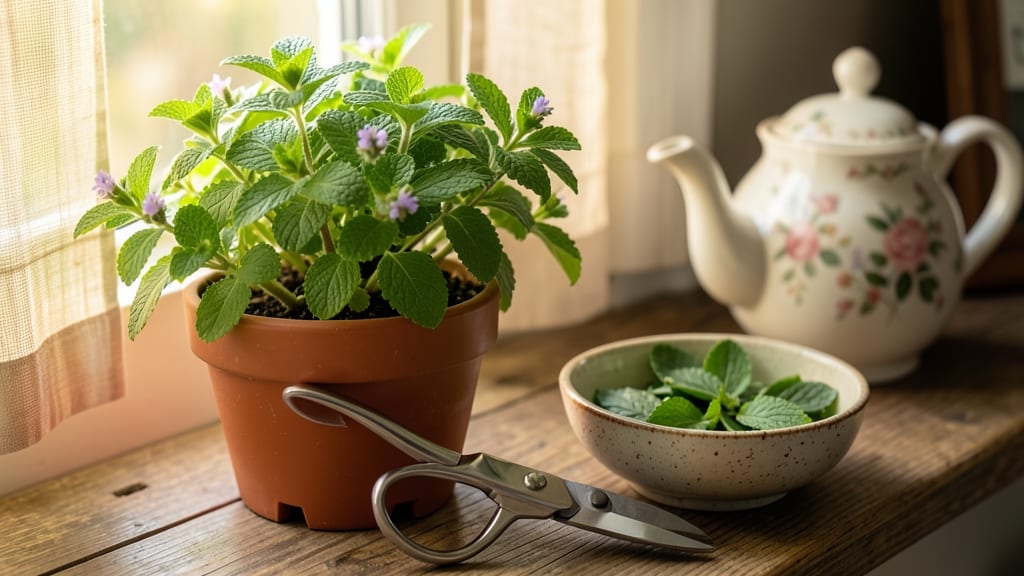
Harvesting mint leaves for tea at the right time and with the right technique turns your garden into a fragrant, flavorful treasure trove 🌿—and it’s easier than you think.
Picture this: you’ve spent weeks nurturing your mint, and now you’re ready to enjoy its fresh, invigorating taste in your tea. But if you harvest too early or too late, you could end up with weak flavor or even stunted growth.
The key is timing—morning harvests capture the most potent oils, while avoiding flowers keeps the leaves tender. Plus, pruning correctly encourages bushier plants, so you get more leaves for longer.
In this guide, I’ll walk you through the best methods for harvesting, storing, and even troubleshooting common mistakes—so you can enjoy bold, fresh mint tea all season long.

Best times and methods to harvest mint leaves for tea
Harvesting mint leaves at the right time and using the proper technique transforms your tea from good to extraordinary. The flavor intensity and aromatic oils peak during specific windows, while pruning methods ensure your plant stays lush and productive.
Whether you're a tea enthusiast or a gardener looking to maximize yields, these insights will help you harvest like a pro.
Timing matters more than you might think. Mint leaves contain the most essential oils and volatile compounds in the early morning, right after dew has evaporated but before the sun peaks. This morning window (6-9 AM) ensures the freshest, most potent flavor for your tea.
Evening harvests can still work, but the oils may be slightly less concentrated. Seasonally, aim for late spring through summer when growth is vigorous and leaves are at their peak.
Your mint plant thrives when you follow proper harvesting techniques. Never take more than one-third of the plant at a time—this prevents stress and encourages bushier growth. Use clean, sharp pruning shears or scissors to avoid crushing stems, which can lead to browning.
Cut just above a leaf node or pair of leaves to promote new growth from that spot. This method keeps your mint healthy and ensures a steady supply of fresh leaves for your tea.
Seasonal timing plays a crucial role in mint harvesting. In spring (April-May), focus on encouraging new growth by harvesting lightly. By summer (June-August), your mint should be in full production—this is when you’ll get the most leaves for your tea.
Avoid harvesting in fall (September-October) as the plant prepares for dormancy, and growth slows significantly. If you live in a warmer climate, you might extend your harvest into early fall, but always stop before the first frost.
One of the biggest mistakes gardeners make is letting mint flower. When your plant sends up flower stalks, it signals the end of prime leaf production. Flowers also make leaves taste bitter and less aromatic. As soon as you spot buds, snip them off immediately.
This redirection of energy keeps your mint focused on leaf growth, ensuring a steady supply of fresh, flavorful leaves for your tea. Think of it as a pruning reset button for your plant.
Proper storage after harvesting preserves that fresh flavor. If you’re using the leaves within 24 hours, store them in a sealed container in the fridge. For longer storage, air-dry the leaves in a cool, dark place or use a food dehydrator.
Once dry, store in an airtight jar away from light. This method keeps the minty essence locked in, ready to elevate your tea whenever you crave it. Just remember: the fresher the leaf, the brighter the flavor.
Healthy mint plants reward you with bushier growth and longer harvest seasons. After each harvest, give your mint a light fertilizer (like a 10-10-10 blend) to replenish nutrients. Water deeply in the morning to keep the soil consistently moist but not soggy.
Mulching around the base helps retain moisture and regulates soil temperature, which is especially helpful in hot summer months. With these care tips, your mint will thrive and keep producing those fragrant leaves you love in your tea.
Ready to elevate your tea game? Start by harvesting mint leaves in the morning, using sharp shears, and avoiding flowers. With these techniques, you’ll enjoy flavorful, aromatic tea all season long while keeping your mint plant happy and productive. Your taste buds—and your plant—will thank you!
How to store freshly harvested mint for tea to preserve flavor
After harvesting your mint leaves for tea, proper storage is key to maintaining that bright, fresh flavor. Whether you plan to use them within days or weeks, the right method ensures your tea stays vibrant and aromatic.
I’ve tested three proven techniques—air-drying, refrigeration, and freezing
Your choice depends on how quickly you’ll use the mint. For immediate tea brewing, refrigeration works best, while long-term storage favors drying or freezing. Even wilted leaves can often be revived with the right care, so don’t toss them just yet! Let’s explore the best options to keep your mint tasting its freshest. For air-drying, bundle stems with rubber bands and hang upside down in a dark, dry place for 1-2 weeks. Once completely dry, store leaves in an airtight container away from light. This method preserves flavor for months but can make mint taste slightly earthier—perfect for herbal tea blends. If you’re using mint within 1-2 weeks, refrigeration is simplest. Rinse leaves, pat dry, and store in a sealed container with a paper towel to absorb moisture. Place it in the crisper drawer to maintain freshness. This keeps the bright, crisp flavor intact, ideal for quick tea sessions. For freezing mint, wash and dry leaves thoroughly, then place them in ice cube trays with water or oil (like olive oil) to preserve texture. Once frozen, transfer cubes to a freezer bag. Frozen mint works well in iced teas or smoothies, though flavor may mellow slightly over time. Reviving wilted mint is easy! Submerge stems in cool water for 10-15 minutes, then trim any damaged leaves. Place the plant in bright, indirect light and keep soil moist. With proper care, your mint can bounce back in just a few days, ready for another harvest. Always label your stored mint with the harvest date to track freshness. Whether you choose drying, refrigeration, or freezing, proper storage ensures your tea stays flavorful and aromatic every time you brew. Happy steeping! 🌿
Storage Method
Best For
Shelf Life
Flavor Impact
Ease of Use
Air-Drying
Long-term storage, dried tea blends
6-12 months
Earthy, concentrated
Moderate (requires hanging)
Refrigeration
Short-term use (1-2 weeks)
7-14 days
Bright, fresh
Easy (seal in container)
Freezing
Medium-term (3-6 months)
3-6 months
Vibrant, slightly muted
Easy (ice cube trays work well)