
How To
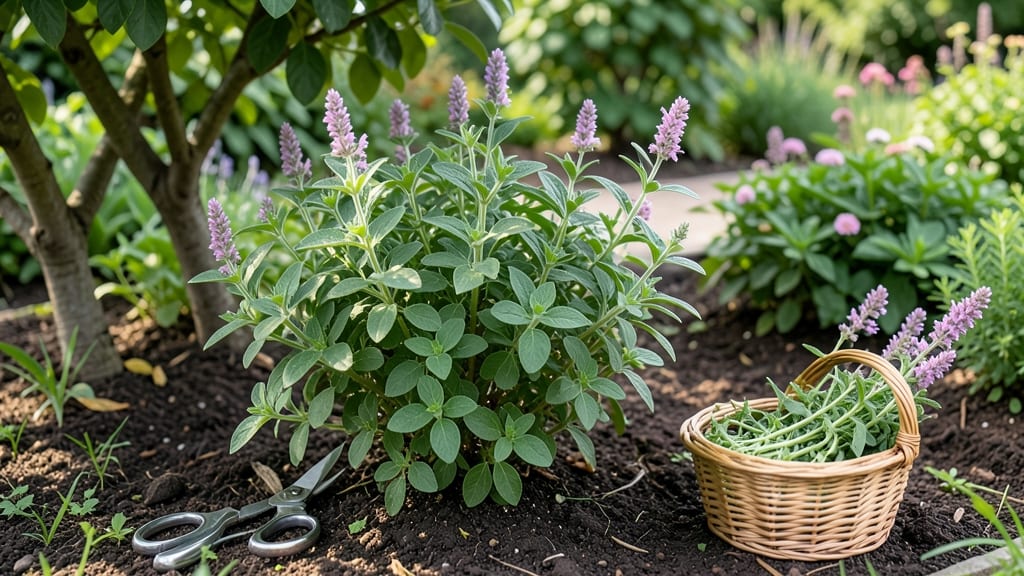
To harvest oregano without killing the plant, focus on pruning the right stems at the right time—this keeps your 🌿 thriving and your kitchen stocked with flavor.
Fresh oregano from your garden should be a year-round delight—not a seasonal struggle. Too many gardeners snip the tops indiscriminately, leaving the plant stunted or flavorless. The secret? A prune-and-regrow method that mimics natural growth patterns, ensuring your oregano stays lush and productive.
Timing matters just as much as technique. Harvesting in early morning—when essential oils are at their peak—guarantees the strongest flavor. But even the best timing won’t help if you’re cutting too close to the base or removing more than one-third of the plant at once.
Below, I’ll walk you through the exact steps to avoid over-harvesting while maximizing your yield.
You’ll also discover how to adjust your harvesting schedule by season, spot early signs of stress, and revive an overworked plant. By the end, you’ll have a year-round supply of homegrown oregano—without ever sacrificing your plant’s health.

The correct pruning technique to harvest oregano safely
Harvesting oregano the right way ensures your plant thrives year after year. Unlike many herbs, oregano is hardy and resilient, but improper cutting can stunt growth or even kill your plant.
The key is using a prune-and-regrow method that encourages bushier, more flavorful foliage. This approach mimics natural pruning while maximizing your harvest without stressing the plant.
Start by understanding that oregano grows best when you remove only 1/3 of the plant at a time. This rule prevents over-harvesting, which weakens stems and reduces future yields. Always use clean, sharp pruners to avoid damaging the plant or spreading disease.
Cutting at the right leaf nodes (the points where leaves attach) is crucial for encouraging new growth.
One of the biggest mistakes gardeners make is harvesting oregano too early in its life cycle. Young oregano plants (under 6 inches tall) are too fragile for cutting.
Wait until your plant is mature and bushy—typically after 3-4 months of growth—before starting regular harvests. This ensures the plant has enough energy to regenerate.
For container-grown oregano, the same rules apply, but be extra cautious. Potted plants have limited root space, so over-harvesting can lead to nutrient depletion faster.
If your oregano is in a small pot (under 12 inches wide), reduce harvests to once every 6-8 weeks and fertilize lightly after cutting to support regrowth.
Pro tip: If your oregano starts looking woody and leggy, it’s a sign you’ve been harvesting too much. To fix this, prune back 1/3 of the plant and reduce future harvests. Within 4-6 weeks, you should see new green growth at the leaf nodes where you cut.
Always store harvested oregano properly to preserve its aromatic oils. Bundle stems and hang them in a dry, dark place for 1-2 weeks or dry them in a dehydrator at 95°F (35°C) for 2-3 hours.
Store dried oregano in an airtight container away from light to keep its flavor intact for up to 1 year.
With these techniques, your oregano plant will thrive for years, providing a steady supply of fresh herbs for cooking, teas, and homemade remedies. The secret is patience and moderation—never rush the harvest, and your plant will reward you with lush, flavorful growth.
Seasonal harvesting schedule for maximum oregano yield
Timing your oregano harvests by the season ensures peak flavor and vigorous regrowth. Unlike many herbs, oregano thrives with multiple harvests per year, but each season demands a slightly different approach.
Early spring jumpstarts growth, summer delivers the most abundant harvests, and late fall prepares your plant for dormancy—while winter care keeps it alive for next year’s bounty.
Your oregano’s flavor peaks in late summer when oil production is highest, but strategic harvesting in spring and fall maintains plant health. The key is never removing more than one-third of the plant at a time, and always cutting just above a leaf node to encourage bushier growth.
This seasonal rhythm prevents over-harvesting while maximizing your yield.
| Season | Harvest Time | Key Actions | Plant Care Tips |
|---|---|---|---|
| Early Spring | April–May | Light trimming to remove dead stems and encourage new shoots | Apply balanced fertilizer (10-10-10) to boost growth after dormancy |
| Summer | June–August | Harvest 3–4 times before flowering for peak flavor | Water deeply every 5–7 days; avoid wilted leaves |
| Late Fall | September–October | Final harvest before first frost; trim woody stems | Reduce watering; mulch to protect roots |
| Winter | November–March | No harvesting; indoor potted plants can be lightly trimmed | Keep dry indoors (50–60°F); resume care in spring |
In early spring, focus on revitalizing growth by removing any brown or damaged foliage and applying a light fertilizer. This primes your oregano for the main harvest season ahead.
I’ve found that a morning harvest in summer—when dew has evaporated but temperatures are mild—preserves the oil content and flavor best.
By late fall, your goal shifts to preparing for dormancy. Harvest any remaining stems before the first frost, but avoid cutting into woody stems that won’t regrow. Mulch heavily around the base to insulate roots and reduce winter stress.
If you’re in a mild climate, you can harvest lightly year-round, but flavor will naturally diminish in winter.
For winter harvesting, only potted oregano can be brought indoors to continue light trimming. Place it near a south-facing window for 6+ hours of light daily and reduce watering to every 2–3 weeks.
This keeps your plant alive until spring, when you’ll see rapid regrowth after the first warm days.
Pro tip: Label your plants by harvest date to track which stems produce the most flavorful leaves. Over time, you’ll learn which branches regrow best after pruning—helping you optimize future harvests without harming the plant.
With this seasonal rhythm, your oregano will reward you with abundant, flavorful harvests for years to come. 🌿