
How To
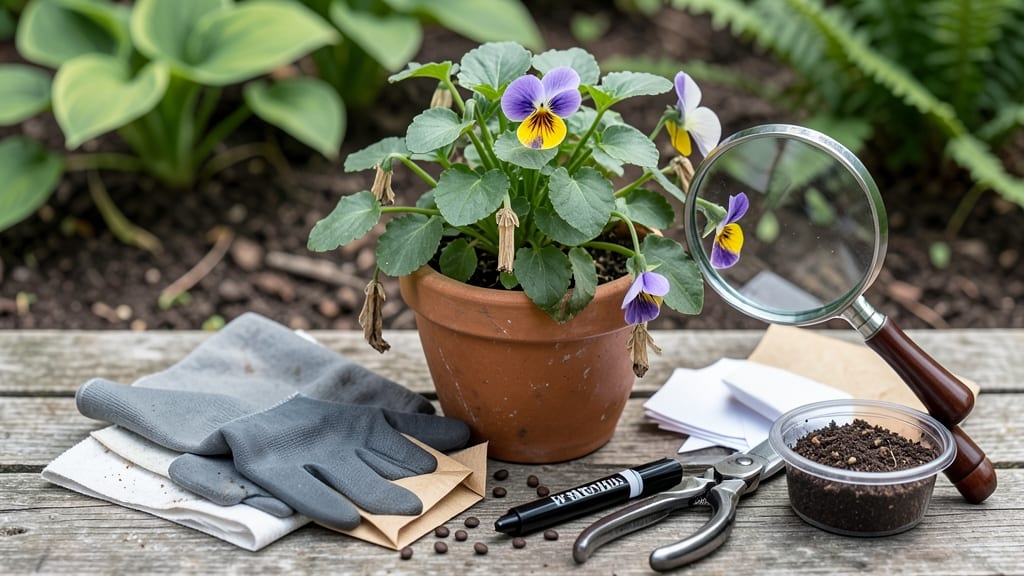
Harvesting pansy seeds at the right time turns those brown, cracked pods into next season’s 🌸 blooms—but miss the window, and you’ll watch them shatter into the dirt.
Pansies aren’t just pretty flowers—they’re seed-producing powerhouses, but missing their prime harvest window means wasted potential. Learn exactly when to act as those pods crack and stems turn brown to save seeds for next season’s blooms.
You’ll need to spot the dry, papery texture and avoid harvesting too late, when seeds scatter everywhere. I’ll walk you through the exact signs to look for, plus how to handle them without damaging your plants or losing viability.
From drying techniques to storage tips, you’ll discover how to maximize germination rates—so you can grow a whole new batch of pansies from seeds you harvested yourself.

When and how to identify pansy seed pods ready for harvesting
Harvesting pansy seeds at the right moment ensures high viability for next season's blooms. The key is watching for visual cues like pod browning and stem drying, which signal maturity.
Miss this window, and seeds scatter or lose potency. I've learned the hard way—waiting too long means wasted potential, while harvesting too early yields underdeveloped seeds.
Pansies typically produce seed pods 8-10 weeks after planting, during late spring to early summer. This aligns with their natural blooming cycle when days grow longer. In USDA Zone 6a, I time my harvests for May to June, just before summer heat stresses the plants.
Pay attention to your local frost dates—harvesting too early risks frost damage to both plants and seeds.
Here’s the critical moment: seed pods transition from green to brown and develop a papery texture. When you gently squeeze a mature pod, you’ll hear seeds rattle inside.
This is your cue—harvest before the pods crack open naturally, which scatters seeds and reduces viability. I use this method every year to maximize my seed yield.
Not all brown pods are ready, though. Some may appear dry but still contain immature seeds. To test, gently press the pod—if it cracks easily and releases seeds, it’s harvest-ready. If the pod resists or feels leathery, wait 3-5 more days.
This simple touch test saves me from harvesting too soon and ensures only the best seeds make it to storage.
| Stage | Visual Cues | Action |
|---|---|---|
| Early Pod | Green, firm, moist | Wait 3-5 days |
| Maturing Pod | Brown, papery, slight rattle | Monitor daily |
| Ready Pod | Fully brown, brittle, seeds rattle | Harvest immediately |
| Overripe Pod | Cracked open, seeds scattered | Collect remaining seeds |
The stem’s condition also signals readiness. Look for browning or drying at the base of the seed pod—this indicates the plant is redirecting energy to seed production. If the stem feels woody or crispy, the pod is likely ready.
I avoid harvesting pods with green stems, as they’re still nourishing the plant rather than the seeds.
Seasonal timing matters too. In cooler climates, harvest pansy seeds in May or early June before summer heat sets in. In warmer regions, aim for late spring to avoid premature drying.
I’ve found that harvesting in the morning after dew dries prevents moisture from weakening the pods during handling.
Differentiating viable seeds from spent pods is crucial. Viable seeds are plump and dark-colored, while non-viable ones appear shriveled or pale. After harvesting, I spread seeds on a paper towel to air-dry for 2-3 days.
This helps separate healthy seeds from debris. Discard any pods that crumble to dust—these contain no viable seeds.
One common mistake I’ve seen is harvesting seeds from hybrid pansies, which often produce inconsistent offspring. If you’re growing heirloom varieties, save seeds from the healthiest plants with the most vibrant blooms.
For hybrids, consider purchasing new seeds annually to maintain desired traits. This saves time and ensures reliable results.
Finally, keep an eye out for pests or disease on your pansy plants. Seed pods from infected plants may produce weak or diseased seeds. Remove any pods showing signs of mold, spots, or insect damage before they mature.
Healthy plants yield the best seeds, so prioritize plant care throughout the growing season.
With these cues in mind, you’ll never miss the perfect moment to harvest pansy seeds. The key is patience and observation—watch those pods closely, and you’ll reward yourself with a bounty of seeds ready for next year’s garden. Happy harvesting! 🌸
Step-by-step guide to safely extracting pansy seeds without damaging plants
Once you’ve identified your pansy seed pods as ready for harvest, the next step is careful extraction to preserve both seeds and plant health. Handling these delicate pods incorrectly can damage your pansy plants or reduce seed viability.
I’ll walk you through the safest methods, including when to harvest and how to dry seeds properly for storage.
Timing is critical—wait until pods are fully brown and dry but haven’t yet split open naturally. If you harvest too early, seeds won’t be mature; if you wait too long, they’ll scatter on their own.
This balance ensures you collect the maximum number of viable pansy seeds without stressing your plants.
- 1 Gather your tools: Use clean, sharp scissors or pruning shears, a paper bag, and a labeling marker. Avoid touching pods with wet hands to prevent mold.
- 2 Cut pods at the stem: Snip the seed pod just above where it meets the stem, leaving a small portion attached. This prevents damaging the plant’s foliage or blooms.
- 3 Place pods in paper bags: Immediately transfer pods to a breathable paper bag (not plastic) to allow airflow. Label the bag with the pansy variety and harvest date for tracking.
- 4 Dry pods indoors: Store bags in a cool, dry place (60–70°F) for 1–2 weeks. Avoid direct sunlight or humidity, which can cause mold or premature seed release.
- 5 Extract seeds gently: Once pods are completely dry, crush them by hand over the paper bag. Seeds will fall out while chaff and debris can be sifted away later.
- 6 Clean and store seeds: Remove any remaining pod fragments by sifting through a fine mesh screen. Store seeds in an airtight container with a desiccant packet in a cool, dark place for up to 3 years.
After harvesting, avoid over-pruning your pansy plants. Since seed production drains energy, leave some healthy foliage to support future blooms. If your plants look stressed, reduce watering slightly and fertilize lightly with a balanced 5-10-10 mix to encourage recovery.
Pro tip: If you’re harvesting seeds from heirloom pansies, label each variety separately. Mixing seeds can lead to unexpected color combinations in your next batch of pansy seedlings. For example, ‘Sorrento’ and ‘Majesty’ pansies produce distinctly different blooms, so keep them isolated.
With this method, you’ll maximize seed yield while keeping your pansy plants thriving for another season of vibrant blooms. Happy harvesting! 🌸