
How To
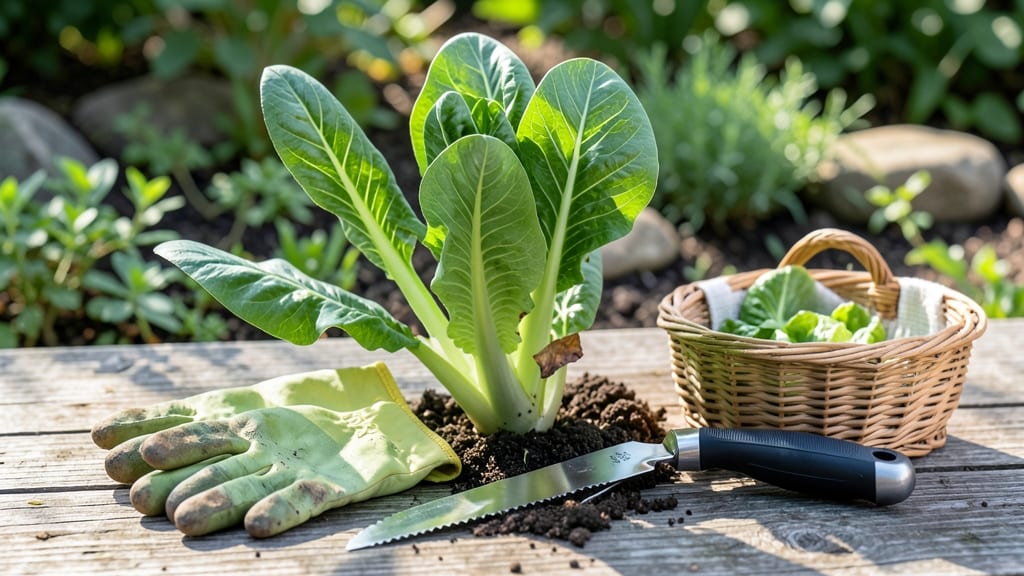
Harvesting romaine lettuce at the right time means the difference between a crisp, sweet bite and a bitter, tough mess—so timing is everything.
Picture this: you’ve nurtured your 🥬 romaine for months, and now the outer leaves are long enough to trim. But wait—cut too soon, and you’re left with stunted growth.
Harvest too late, and those once-tender leaves turn woody and tough. The key is knowing exactly when to snip for that perfect crunch.
In this guide, I’ll walk you through the 3 foolproof signs your romaine is ready, plus the step-by-step method to harvest without damaging the plant. Whether you’re after baby leaves or full heads, you’ll learn how to keep your garden producing fresh, flavorful greens all season.
No more guessing—just crisp, homegrown romaine every time. Let’s get started.

3 Clear signs your romaine lettuce is ready for harvesting
There’s nothing like the satisfaction of picking fresh romaine lettuce from your garden, but knowing exactly when to harvest can make all the difference. Harvest too early, and you’ll miss out on that perfect crunch.
Wait too long, and your lettuce turns bitter or woody. The key is recognizing these three clear signs your romaine is ready for the table.
Romaine lettuce thrives when you pay attention to its leaf size, color, and texture. These visual and tactile cues tell you whether your plants are at their prime.
Ignore them, and you risk ruining the flavor or even triggering the plant to bolt—turning your salad greens into unwanted flowers.
Mature romaine leaves should reach 6-8 inches in length. Measure the outer leaves first—they’re the first to reach harvest size. If your leaves are still small (4 inches or less), they’re not ready yet.
Ready-to-harvest romaine should be a vibrant deep green. Avoid leaves with red or purple tinges—these indicate stress or immaturity. Overly pale leaves may also signal nutrient deficiencies.
Gently squeeze a leaf between your fingers. It should feel firm and crisp but yield slightly—like a well-made salad. If it feels soft or flimsy, it’s underripe. If it’s hard or woody, it’s past its prime.
Harvesting at the right time isn’t just about flavor—it’s also about encouraging regrowth. When you pick outer leaves first, the inner ones continue growing, giving you multiple harvests from a single plant. This method works best for loose-leaf varieties, but even romaine heads benefit from selective harvesting.
One common mistake gardeners make is waiting until the entire head is fully formed before harvesting. By then, the inner leaves may already be tough or bitter. Instead, focus on the outer leaves first—they’re usually the most tender and ready to eat.
Morning is the best time to harvest romaine because the leaves are crispest and most hydrated. Avoid harvesting in the heat of the day, as the leaves can wilt quickly.
If you’re harvesting for baby leaves, you can start picking when the leaves reach 3-4 inches, but full-size leaves will give you that classic romaine texture.
Over-mature romaine lettuce develops a bitter taste and tough texture due to the buildup of lactucin, a compound that forms as the plant ages. This is why timing is everything.
If you notice your romaine starting to bolt (send up flower stalks), it’s a clear sign you’ve waited too long—harvest immediately or the plant will go to seed.
To test for readiness, run your thumb along the leaf edges. Ready leaves have a slight serrated edge and a crisp feel. If the edges are smooth or the leaves feel rubbery, they’re not quite there yet.
Patience pays off—waiting just a few more days can make the difference between a floppy salad and a crunchy, restaurant-quality dish.
Once you’ve identified these signs, you’re ready to harvest like a pro. Grab your sharp pruning shears or a clean knife, and cut just above the base of the leaf or head. Leave at least 1-2 inches of stem to encourage regrowth, and you’ll enjoy fresh romaine for weeks.
Step-by-step guide to harvesting romaine without damaging the plant
Harvesting romaine lettuce at the right time ensures you enjoy its crisp, sweet flavor while encouraging your plant to produce more leaves. The key is to use the right techniques to avoid stressing the plant, which can lead to bitterness or even premature bolting.
I’ve learned that timing and tools matter just as much as the method itself—so let’s break it down step by step.
Romaine thrives when you harvest it in the early morning after dew has evaporated but before the sun intensifies. This timing preserves the leaves’ crispness and prevents wilting. Avoid harvesting in the evening, as moisture lingering on the leaves can promote fungal diseases.
If you must harvest later in the day, wait until at least 2 hours before sunset to give the leaves time to dry slightly.
How to Harvest Romaine Lettuce
-
Gather your tools:
- Sharp pruning shears or a clean knife
- Gloves (optional, for hygiene)
- Container for storing harvested leaves
-
Choose your method:
- Cut-and-come-again: Snip the outer leaves at the base, leaving the inner leaves to regrow (ideal for continuous harvests).
- Full head harvest: Cut the entire head about 1 inch above the soil (best for mature plants).
-
Harvest technique:
- Hold the leaf or head firmly and make a clean cut at a 45-degree angle to avoid tearing.
- Never remove more than 1/3 of the plant at once to encourage regrowth.
-
Post-harvest care:
- Water the plant deeply after harvesting to support recovery.
- Apply a light mulch to retain moisture and protect new growth.
-
Storage tips:
- Store harvested leaves in a perforated plastic bag in the fridge for up to 5-7 days.
- For longer storage, blanch and freeze the leaves.
After harvesting, I always check the remaining plant for signs of stress. If the center leaves look wilted or yellow, it’s a sign the plant needs more water or shade.
Romaine is surprisingly resilient, though, and with proper care, it can regrow enough for 2-3 more harvests in a season. Just be patient—new leaves take about 2-3 weeks to reach harvestable size again.
One of my biggest mistakes early on was harvesting too aggressively, which left the plant vulnerable to pests and disease. Now, I follow the "cut-and-come-again" method religiously, especially in warmer months when romaine grows faster.
This approach not only extends your harvest season but also keeps your lettuce tasting fresher and crunchier for longer.
Pro tip: If your romaine starts to bolt (sending up a tall flower stalk), it’s past its prime for leaf production. In this case, harvest the remaining leaves quickly and compost the plant to avoid reseeding.
Bolting usually happens when the plant senses heat stress or drought, so keep an eye out for these warning signs during hot spells.