
How To
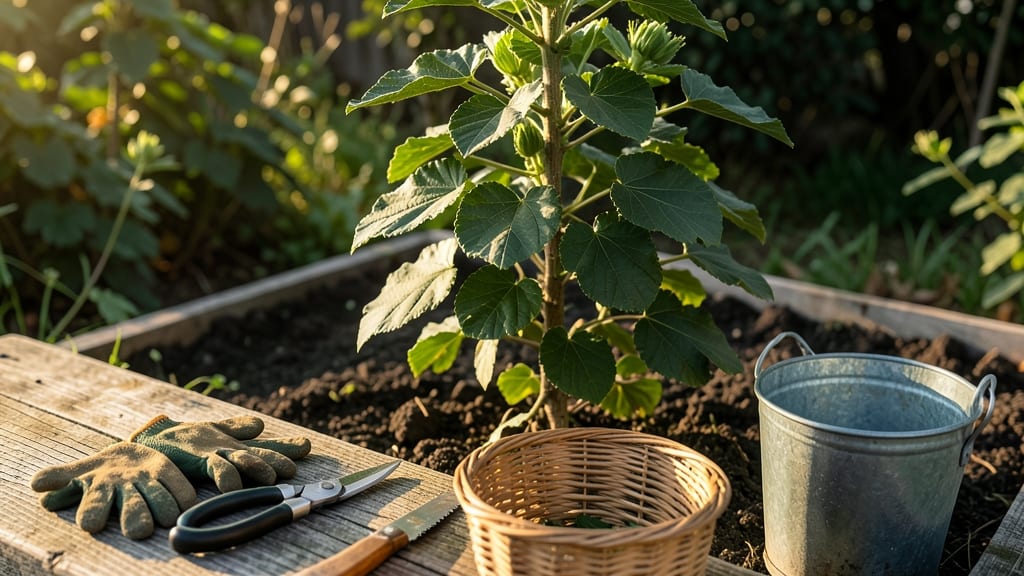
To harvest roselle hibiscus at its peak tartness, watch for deep red or green calyxes that snap cleanly when bent—this exact moment is when flavor hits its sweet-spicy balance.
Picture this: you’ve nurtured your 🌸 Roselle Hibiscus for months, and now the calyxes are plump and vibrant. But harvest too soon, and the tangy punch fades; wait too long, and the texture turns mushy.
The key? A firm snap and that signature color shift—red for classic tartness or green for milder notes.
In General (Tropical/Subtropical Regions), where roselle thrives year-round, timing is everything. Most varieties reach harvest readiness in 6-8 months, but the real magic happens when the pods are 3+ inches long and the stem snaps with a satisfying crack.
Miss this window, and you’re left with bland or overripe calyxes.
Below, I’ll walk you through the step-by-step technique—from the perfect cutting angle to storing your harvest—plus the common mistakes that turn tartness to mush. Ready to unlock that restaurant-quality flavor?

When to harvest roselle hibiscus: stem color & snap test guide
Harvesting roselle hibiscus (Hibiscus sabdariffa) at the right stage ensures maximum tartness and flavor. The key lies in two simple but critical cues: stem color and the snap test.
For red varieties, look for a deep ruby hue with slight wrinkling, while green and yellow types should show vibrant, uniform coloration. Ignoring these signs can lead to underripe calyxes that lack tang or overripe ones that turn bitter.
I’ve found that morning harvests work best—calyxes are firmer after overnight dew evaporation, reducing bruising. The calyx size also matters: aim for pods measuring 3–5 inches in length. Smaller pods (<2 inches) are underripe, while larger ones may be past their prime, losing their signature tartness.
Paying attention to these details transforms your harvest from mediocre to exceptional.
Variety plays a huge role in determining the perfect harvest window. Red roselle (most common) needs a deep, consistent red color with slight wrinkling, while green varieties should be bright green and yellow types a golden hue.
Each variety has its own subtle differences in texture and flavor intensity, so always check the specific cues for your plant type.
🌿 Roselle Variety Harvest Guide
| Variety | Stem/Calyx Color | Snap Test | Size (inches) | Texture |
|---|---|---|---|---|
| Red Roselle | Deep ruby red | Clean snap, no resistance | 3–5 inches | Firm with slight wrinkling |
| Green Roselle | Bright green | Clean snap, crisp feel | 3–4 inches | Slightly glossy, firm |
| Yellow Roselle | Golden yellow | Clean snap, slight resistance | 2.5–4 inches | Smooth, firm |
The snap test is your secret weapon for perfect timing. Gently twist a calyx—if it snaps off cleanly with a slight resistance, it’s ready. A mushy or spongy feel means it’s overripe, while too much resistance signals underripeness.
I’ve seen beginners mistake overripe calyxes for ripe ones because they’re larger, but the texture gives them away. Always double-check with both the color and snap test for accuracy.
One common mistake is harvesting based on flower blooming alone. Many assume roselle is ready when the flower opens, but the calyx (the bulbous part below the petals) is what you want.
Harvest just before the flower fully blooms—this is when the tartness peaks. Waiting too long means the calyx will dry out or split open, ruining its texture and flavor.
Temperature and humidity also affect harvest timing. In hot, dry climates, roselle may ripen faster, so check calyxes every 2–3 days. In cooler or humid conditions, extend your checks to every 4–5 days.
I’ve seen roselle in Florida ripen in 6–7 months, while in California’s coastal regions, it can take closer to 8 months. Adjust your schedule based on your local climate for the best results.
If you’re unsure whether a calyx is ready, cut it open and check the seeds inside. At peak ripeness, the seeds should be firm but not hard, and the flesh should be juicy and tart.
Overripe calyxes will have dry, shriveled flesh and seeds that are too hard. This quick check saves you from harvesting too early or too late, ensuring every calyx you pick is at its flavorful best.
For maximum yield, harvest every 2–3 days during peak season. This encourages the plant to produce more calyxes, extending your harvest window. I’ve found that pruning spent flowers (those that have already bloomed) redirects the plant’s energy to new growth.
Just be gentle—roselle is a tender plant, and aggressive pruning can stress it out.
Store harvested roselle in a cool, dry place (like a mesh bag in the fridge) for up to 5 days if you’re not using it immediately. For long-term storage, dry the calyxes in a dehydrator or oven at 170°F (77°C) for 4–6 hours, then store in an airtight container.
Dried roselle keeps for 6–12 months, making it easy to enjoy its tart goodness year-round.
🌱 Remember, practice makes perfect. The more you harvest, the better you’ll recognize the exact shade of red, green, or yellow that signals peak ripeness in your specific variety. Happy harvesting—your taste buds (and future recipes) will thank you!
Step-by-step roselle harvesting technique for maximum yield
Harvesting roselle hibiscus (Hibiscus sabdariffa) at the perfect moment unlocks its signature tartness and texture, but the process requires precision. The key lies in when you harvest—early mornings when calyxes are hydrated—and how you handle them to prevent bruising.
I’ve learned that even a slight delay or rough handling can turn a perfect harvest into a mushy mess. Let’s break down the exact steps to maximize your yield while preserving flavor.
Before you begin, gather your tools: a sharp pair of pruning shears or clean scissors, a bucket with water, and gloves to protect your hands from tiny hairs. Avoid using your fingers to pluck calyxes, as this can bruise them.
The best time to harvest is early morning (between 6-9 AM) when temperatures are cool and the calyxes are firm. This timing ensures the highest tartness retention and makes handling easier.
One of my biggest mistakes was harvesting roselle too late—waiting until the calyxes turned dull or shriveled, which ruined their tangy flavor. Always prioritize firmness and color vibrancy over size.
If you’re drying calyxes for tea or soups, aim for uniform size (trim larger ones) to ensure even drying and consistent flavor infusion.
For maximum yield, harvest every 2-3 days during peak season (late summer to early fall). This encourages the plant to produce more calyxes, as roselle hibiscus is a heavy producer when given proper care.
Just remember: patience and precision are your best tools for a harvest that’s as flavorful as it is abundant.