
How To
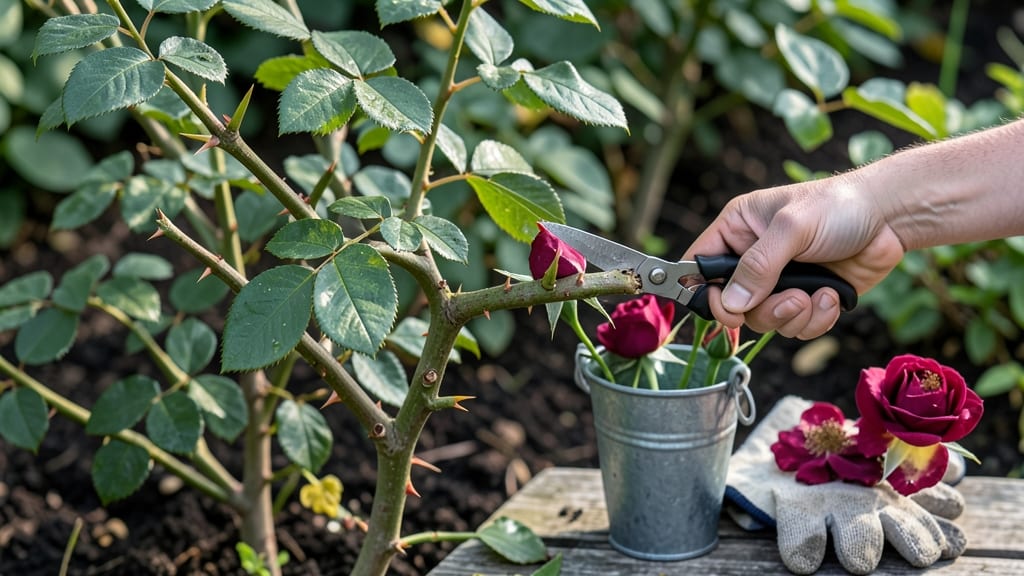
To harvest roses at their peak—when petals are just unfurling and stems are sturdy—is the secret to bouquets that last for a full week or longer in a vase.
Picture this: you’ve spent months nurturing your 🌹 roses, and now you’re ready to cut them for a stunning arrangement. But if you pick too early, the blooms flop. Too late, and they’re past their prime. The timing matters more than you think.
Beyond the clock, the right technique—like cutting at the perfect angle and removing leaves—can double your roses’ vase life. And if you’re harvesting for hips (those bright red seed pods) instead of flowers, the rules change entirely.
In this guide, I’ll walk you through the exact morning window for cutting, the sharpest tools to use, and how to revive wilted stems if you’ve already missed the mark. Let’s make your harvests flawless.

The perfect time to harvest roses for maximum beauty and longevity
Timing is everything when harvesting roses—cut them too early, and you sacrifice full bloom potential; too late, and they wilt faster in your vase. The ideal harvest window depends on two key factors: time of day and bloom maturity.
Morning harvests yield roses with maximum hydration, while evening cuts risk wilting before you even arrange them. Let’s break down the science behind the perfect pick for long-lasting bouquets and healthy garden regrowth.
Most gardeners swear by harvesting roses between 6 AM and 9 AM, when temperatures are cool and stems are fully hydrated. This morning routine ensures your roses stay fresh for 7-10 days in a vase, compared to just 3-5 days if cut in the evening.
The dew-covered petals signal optimal moisture levels, while the sturdy stems resist bending—both signs of peak freshness. For bouquets destined for immediate use, this window is non-negotiable.
But what if you’re harvesting for garden health rather than vase life? Deadheading spent blooms in the late afternoon (after 3 PM) prevents pests from hiding in overnight moisture. This evening pruning also lets you inspect stems for disease before they spread.
The trade-off? Your bouquets will wilt faster, so this method is best for pruning maintenance rather than cutting flowers.
Seasonal timing matters just as much as daily windows. In USDA Zone 6a, the prime harvest months stretch from June through September, aligning with peak bloom cycles.
Early-season roses (like David Austin varieties) may bloom as early as May, while late-season climbers (such as ‘New Dawn’ roses) can extend harvests into October. Always harvest when buds are fully open but petals remain firm—this balance ensures vibrant color and structural integrity.
Here’s a pro tip: Avoid harvesting roses on hot, windy days, as both conditions accelerate moisture loss. If you must harvest midday, immediately submerge stems in cool water to slow wilting.
For hybrid teas and grandifloras, which are prized for their long stems, morning cuts are especially critical—their delicate petals wilt faster than hardier varieties like rugosas or knockout roses.
Now, let’s talk bloom maturity indicators. The perfect rose to harvest has fully unfurled petals with just a hint of overlap—think of a 90% open bud. Petals should be deep in color and uniformly shaped, with no browning or curling edges.
A sturdy stem that resists bending when held horizontally is another green light. If the bud is still tightly closed (🔒) or petals are pale (🌱), it’s not ready yet.
For hip harvesting (the fruit that follows blooms), wait until the rose hips turn bright red or orange and feel firm to the touch. This usually occurs in late summer to early fall, depending on your climate.
Hips are rich in vitamin C and attract wildlife, but they also signal the end of the blooming season—harvest them to encourage next year’s growth.
Seasonal considerations can’t be overstated. In spring, focus on harvesting new growth blooms (like those on ‘Iceberg’ roses) for early bouquets. By summer, prioritize morning harvests to combat heat stress, and in fall, shift to evening pruning to prepare plants for dormancy.
Always use clean, sharp pruners to avoid damaging stems or spreading disease.
| Harvest Factor | Optimal Time | Key Indicators | Best For |
|---|---|---|---|
| Time of Day | 6 AM - 9 AM | Dew-covered petals, firm stems | Bouquets, vase life |
| Bloom Maturity | 90% open bud | Deep color, petal overlap | All harvests |
| Season | June - September | Peak bloom cycles | Bouquets, hips |
| Weather | Cool, calm mornings | No wilting risk | All varieties |
| Pruning Focus | Late afternoon | Disease inspection | Garden health |