
How To
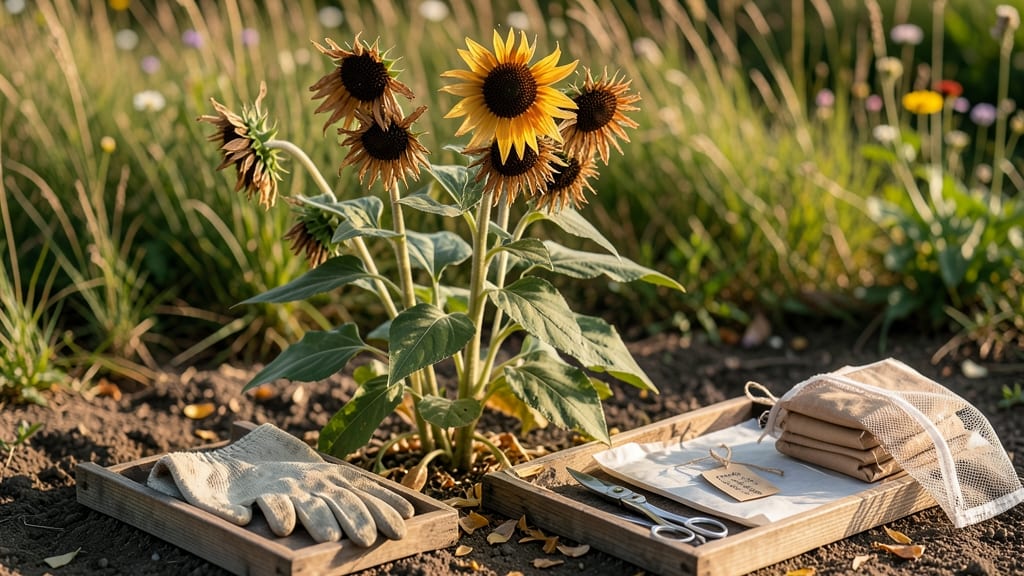
To harvest rudbeckia seeds, wait until the flower heads turn brown and crack open naturally—this is the perfect window for collecting viable seeds before birds or weather ruin them.
Picture this: your 🌼 rudbeckia plants stand tall after months of blooming, their once-vibrant petals now fallen, leaving behind dry, papery seed heads. One wrong move, and those seeds are gone—scattered by wind or snatched by hungry birds.
But with the right timing and technique, you’ll save seeds that sprout into next year’s garden.
This isn’t just about saving money—it’s about preserving the exact varieties you love, from golden ‘Goldsturm’ to deep burgundy ‘Cherry Brandy.’ Plus, dried rudbeckia seeds make stunning winter arrangements or thoughtful gifts for fellow gardeners.
Below, I’ll walk you through the step-by-step process, from cutting seed heads to storing them properly, so you never waste another harvest again.

When to harvest rudbeckia seeds: identifying perfectly ripe seed heads
Rudbeckia seeds are nature's gift for expanding your garden without spending a dime—but only if you harvest them at the right moment. Miss the window, and you risk losing seeds to hungry birds, rain, or rot.
The key lies in watching for visual cues that signal maturity, like brown, papery seed heads and seeds that rattle when shaken. Timing varies slightly by climate zone, but late summer to early fall is your target window in most regions.
Start monitoring your rudbeckia plants in late summer (around August-September) when the vibrant petals begin fading. The central cone will transform from green to brown, and the petals will naturally drop away.
This is your first clue that the seed heads are nearing maturity. However, don't rush—wait until the seed heads are completely dry and brittle before harvesting, or the seeds may not store well.
One of the most reliable signs of seed readiness is the ability to see the individual seeds inside the cone. When the cone splits open or becomes paper-thin, it’s time to act.
Shake a mature seed head over a brown paper bag—if seeds fall out easily, they’re ready for harvest. If they’re still tightly packed, give them another 1-2 weeks to dry on the plant.
In warmer climates (Zones 8-10), rudbeckia seeds may mature as early as July-August, while in cooler zones (Zones 3-6), you might not see ripe seeds until September-October.
Always prioritize harvesting before the first frost, as moisture and cold can cause seeds to spoil or sprout prematurely.
Not all seeds in a cone are viable—some may be empty or shriveled. To test viability, place a handful of seeds in a jar of water. Viable seeds will sink to the bottom, while empty ones will float.
Aim to harvest seeds when at least 70% of them sink in this test, ensuring a high germination rate for next year’s garden.
Here’s a quick reference to help you spot ready-to-harvest rudbeckia seeds at a glance:
| Stage | Visual Cues | Harvest Time | Best Action |
|---|---|---|---|
| Early Maturity | Petals fading, cone turning brown | Late summer (Aug-Sept) | Monitor daily |
| Peak Ripeness | Cone fully brown, paper-thin, seeds visible | Late summer (Sept) | Harvest immediately |
| Overripe | Cone cracks open, seeds scatter | Early fall (Oct) | Collect scattered seeds |
| Not Ready | Green cone, petals still attached | Early summer (June-July) | Wait 4-6 weeks |
If you’re unsure whether a seed head is ready, perform the "shake test". Hold the cone over a white surface and give it a gentle shake. If seeds rain down like confetti, they’re perfectly ripe.
If only a few seeds drop, leave the cone on the plant for another 3-5 days. This simple test saves you from harvesting seeds that won’t store well.
Harvesting too early is a common mistake—green or partially brown cones won’t dry properly, leading to moldy seeds. On the flip side, waiting too long risks losing seeds to birds or wind.
Aim to harvest when the cone is fully brown and dry, but before it starts splitting open on its own. This balance ensures you capture the maximum number of viable seeds.
Pro tip: Use a paper bag or breathable mesh bag to collect seeds directly from the plant. This prevents moisture buildup and keeps seeds dry during the drying process. Avoid plastic bags, as they trap humidity and can cause seeds to mold or sprout prematurely.
Once you’ve harvested, store the seeds in a cool, dry place for 1-2 weeks to complete the drying process. Label your seed packets with the harvest date and rudbeckia variety to track freshness.
With proper timing and care, your rudbeckia seeds can remain viable for 2-3 years, giving you a steady supply for future gardens.
Step-by-step rudbeckia seed harvesting process for maximum yield
Once your rudbeckia plants have finished flowering and the seed heads turn brown, it’s time to harvest. But rushing the process can lead to moisture damage or seed loss to birds. Follow these precise steps to collect high-quality seeds that’ll sprout beautifully next season.
Start by gathering your harvesting tools: a pair of clean pruning shears, a small bucket, and a paper bag for drying. Work on a dry, sunny day to ensure your seeds stay crisp and viable. Avoid harvesting if rain is forecasted within 24 hours.
How to Harvest Rudbeckia Seeds
-
Step 1: Identify Mature Seed Heads
Look for brown, papery seed heads where the petals have fallen. Gently shake the head—if seeds rattle inside, they’re ready. -
Step 2: Cut the Seed Heads
Use clean pruning shears to snip the entire seed head, leaving a 1-inch stem. Place heads in your bucket, stem-side down. -
Step 3: Dry the Seed Heads
Spread heads on a towel-lined tray in a dry, shaded area for 3–5 days. Avoid direct sun to prevent overheating. -
Step 4: Remove Seeds
Once completely dry, rub the seed head between your fingers or use a paper bag to shake out seeds. Discard empty husks. -
Step 5: Clean and Store
Sift seeds through a fine mesh screen to remove debris. Store in a paper envelope or airtight container in a cool, dark place.
✅ Pro Tip: Label your seeds with the harvest date and rudbeckia variety to track viability.
If you miss the harvest window, don’t worry—rudbeckia seeds often remain viable for 1–2 years if stored properly. However, premature harvesting (when seed heads are still green) can result in low germination rates.
To maximize your yield, harvest seeds from multiple plants to ensure genetic diversity. Avoid harvesting from overcrowded plants, as they may produce fewer seeds. With these steps, you’ll have a stash of rudbeckia seeds ready for next year’s garden! 🌾
Remember, the key to success is patience. Let the seed heads fully dry on the plant before cutting—this ensures the highest seed viability and saves you from wasted effort. Happy harvesting! ✂️