
How To
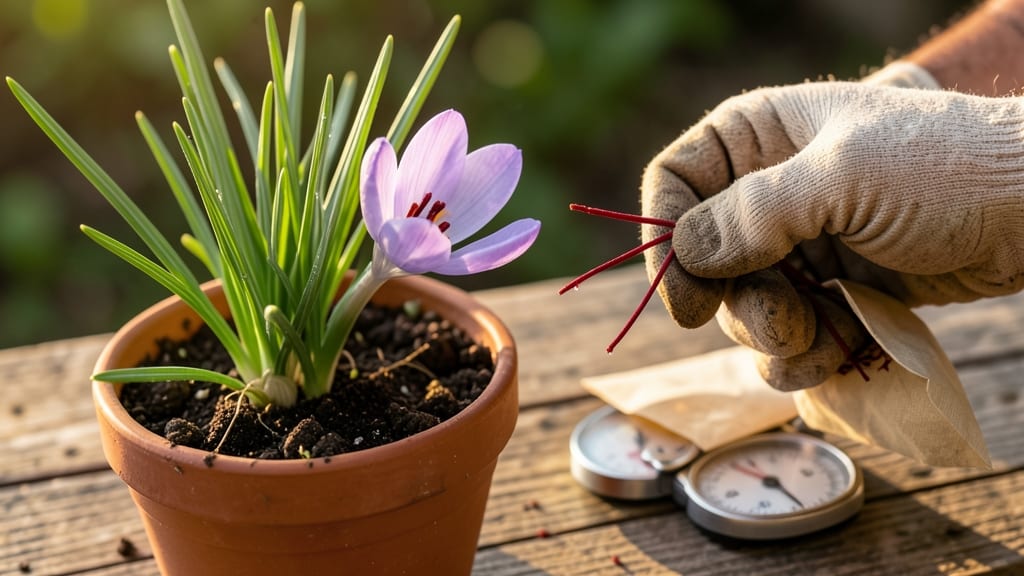
Harvesting saffron from crocus stigmas is all about timing and precision—one wrong move, and you’ll crush the delicate threads that make this spice worth up to $15,000 per pound.
Picture this: your Saffron Crocus 🌼 blooms are open just right, their bright red stigmas glistening in the morning light. But harvest too early, and they’re underdeveloped; wait too long, and they lose potency.
The difference between a high-quality harvest and a wasted one comes down to knowing exactly when—and how—to pluck those threads.
In this guide, I’ll walk you through the step-by-step process for harvesting saffron without damaging a single stigma, from the tools you’ll need to the best time of day to work.
You’ll also learn how to maximize your yield, avoid common mistakes, and store your harvest so it stays vibrant and aromatic for months.
Whether you’re a first-time grower or a seasoned saffron enthusiast, these tips will help you turn your fall-blooming crocuses into a harvest worth savoring—and sharing.

When and how to identify the perfect time to harvest saffron crocus
Timing is everything when harvesting saffron crocus. The difference between a high-quality harvest and ruined stigmas often comes down to picking the right moment. I’ve learned that harvesting too early means green, bitter stigmas, while waiting too long leads to wilted, fragile threads.
The ideal window is brief—just 2-3 hours after the flower fully opens in the morning.
Morning harvests are non-negotiable for saffron quality. Dew can weaken stigmas, and afternoon heat causes them to lose moisture and potency. I always start harvesting between 8 AM and 10 AM, when the flowers are fully open but still crisp.
This timing ensures the deep red stigmas are at their peak color and flavor intensity.
Look for these visual cues to confirm readiness: the three stigmas should extend 1-2 inches beyond the petals, turning from green to a vibrant crimson.
The petals should be fully unfurled but still dry and papery, not drooping. If the stigmas are curled or the petals feel damp, wait another day.
Premature harvesting is a costly mistake. Unripe stigmas contain less safranal, the compound responsible for saffron’s aroma, and taste bitter and grassy. I once harvested a batch too early and ended up with stigmas that bleached in storage.
Always check the stigma color—green means wait 24 hours.
Overripe stigmas are just as bad. When petals begin to wilt or brown, the stigmas lose their bright red hue and become brittle and dusty.
I’ve seen experienced growers discard entire batches because they waited too long. If the stigmas feel dry and crumbly when touched, it’s past the ideal harvest window.
🌼 Saffron Harvest Readiness Checklist
| Checkpoint | Details | Action |
|---|---|---|
| ⏰ Time of Day | Morning (8-10 AM) | Harvest only after dew dries |
| 🌸 Flower Stage | Fully open petals | Skip if petals are closed or wilting |
| 🔴 Stigma Color | Deep red, not green | Wait 24 hours if green |
| ✂️ Stigma Length | 1-2 inches beyond petals | Measure against a ruler |
| 💧 Petal Texture | Dry and papery | Discard if damp or sticky |
Weather plays a critical role in harvest timing. After rainy days, wait 24-48 hours to harvest—stigmas absorb moisture and become slippery and weak. I once harvested after a storm and ended up with 50% of my stigmas breaking during extraction.
Clear, dry mornings with temperatures between 50°F and 70°F are ideal.
Use a magnifying glass to inspect stigmas for purity. High-quality saffron stigmas should be straight, unbroken, and free of dirt. I keep a small hand lens in my harvesting kit to spot any contaminants or damage before processing.
Even a tiny speck of soil can reduce the spice’s value.
Never harvest more than 30% of stigmas from a single flower to preserve the plant. Each Crocus sativus produces only 3-4 stigmas, and over-harvesting weakens the bulb for future seasons. I mark harvested flowers with a toothpick to avoid re-picking the same plant.
Store freshly harvested stigmas in a paper envelope in a cool, dark place for 24 hours to dry. I use brown kraft paper because it absorbs excess moisture without affecting flavor.
Avoid plastic—it traps humidity and causes mold growth. Within 48 hours, your saffron should be completely dry and crumbly.
Step-by-step saffron harvesting technique: stigma extraction without damage
Harvesting saffron is all about precision—those tiny red stigmas are the golden thread of flavor, and one careless move can ruin them. The key is patience and the right tools.
I’ve harvested saffron for years, and I’ll share my foolproof method to extract every stigma without crushing or contaminating them. This technique ensures your saffron keeps its vibrant color and aromatic potency for months.
Before you begin, gather your supplies: a pair of gardening gloves (to protect your hands from sap), a small bowl or sterilized container (for collecting stigmas), and a pair of fine-tip tweezers or your fingers (for delicate extraction).
Work in the morning when stigmas are at their freshest and most fragrant. Avoid harvesting after rain, as moisture can dilute their flavor and cause contamination.
Choose fully open crocus flowers with bright red stigmas that extend beyond the petals. The petals should be papery and slightly dry, but not wilted.
Pinch the flower base gently between your thumb, index, and middle fingers. Avoid squeezing too hard—you want to isolate the stigma without damaging the style (the white thread it’s attached to).
With a firm but gentle twist, pull the stigma away from the style. It should come off cleanly in one piece—if it snaps or tears, you’ve applied too much force. Use tweezers if your fingers struggle with precision.
Drop each stigma into your sterilized container. Avoid touching them with your fingers—use the tweezers to transfer them if needed. Keep the container covered to protect from dust and debris.
Work flower by flower to maintain focus. A single crocus yields about 3-5 stigmas, so patience pays off. Harvest only 10-15% of flowers per day to avoid stressing the plant.
Once harvested, store stigmas in a dark, dry place (like a paper envelope or glass jar) for 24-48 hours to dry completely. Avoid plastic—it traps moisture and causes mold.
Never harvest saffron on a windy day—dust and debris can contaminate your crop. Also, avoid harvesting overripe flowers (when petals wilt or turn brown), as the stigmas lose their color intensity and aroma.
If you’re unsure, pluck a stigma and examine it: it should be deep red and firm, not brittle or discolored.
After drying, your saffron is ready for storage. Keep it in an airtight container away from light and heat—this preserves its vibrant hue and flavor profile for up to a year.
Label your container with the harvest date to track freshness. With this method, you’ll harvest high-quality saffron that rivals commercial grades—without the hefty price tag!
🌼