
How To
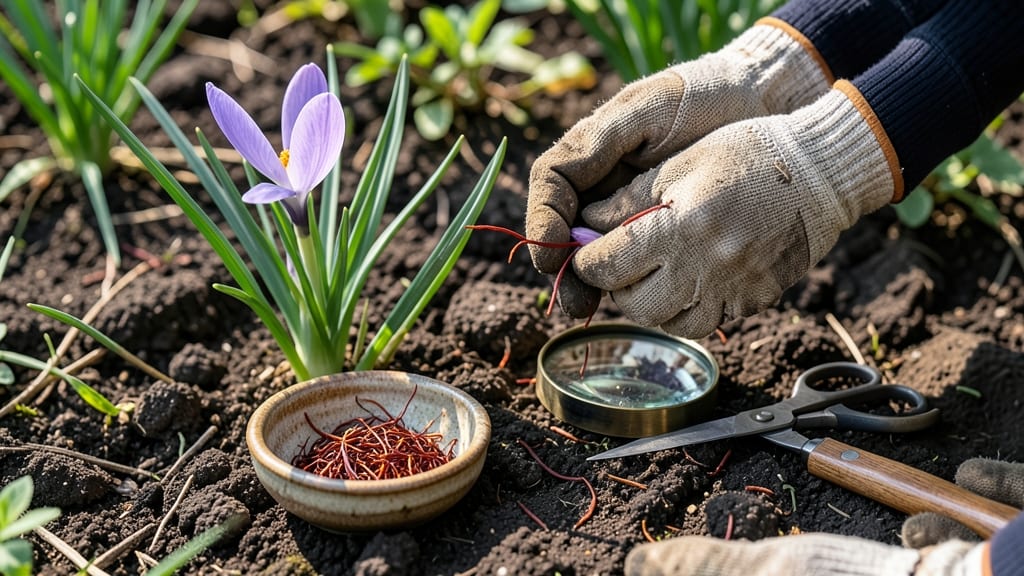
Harvesting saffron threads from the delicate 🌼 Saffron Crocus is an art that turns a handful of flowers into the world’s most prized spice—but only if you nail the timing and technique.
Picture this: you’ve waited months for your fall-planted crocuses to bloom, only to realize that picking too early means bitter, underdeveloped threads, while waiting too long turns them to mush. The difference between a golden harvest and wasted effort comes down to a 3-day window and a few simple tools.
In this guide, I’ll walk you through exactly when to pluck those vibrant red stigmas—morning vs. afternoon, cloudy vs. sunny days—and how to handle them without breaking them.
You’ll also learn the secret drying trick that preserves flavor for months, so your saffron stays as potent as the day you harvested it.
Whether you’re a first-timer or a seasoned grower, these steps will maximize your yield and ensure every thread is packed with the rich aroma that makes saffron worth its weight in gold.

The exact 3-Day window to harvest saffron for maximum flavor
Saffron’s 3-day harvest window begins the moment your Crocus sativus flowers burst open in the morning. This tight timeline separates peak flavor from bitter, underripe threads.
The biology of saffron stigmas means they degrade rapidly—after just 24 hours, their aromatic compounds start breaking down, reducing potency by up to 30%. Understanding this window is your first step to commercial-grade saffron at home.
Your harvest clock starts at 6:00 AM when flowers fully open, revealing bright red-orange stigmas that are 1.5–2 inches long. These stigmas must be picked within 24–48 hours for optimal flavor.
Waiting longer turns them greenish-brown, signaling overripeness and a grassier, less sweet profile. Even worse, leaving them too long causes the stigmas to detach naturally, wasting your crop.
The 3-day window isn’t just about time—it’s about visual cues. Look for fully unfurled petals (no closed buds) and stigmas that glisten slightly from morning dew. If petals start curling back or the stigmas feel dry to the touch, you’ve missed the window.
Climate plays a role too: Cooler mornings (50–65°F) extend the window slightly, while hotter days (above 75°F) shrink it to just 12–18 hours.
Morning harvests (6:00–9:00 AM) yield the brightest, most aromatic threads because stigmas are hydrated and flexible. Afternoon picks (12:00–3:00 PM) still work but risk drier, more brittle stigmas.
Never harvest after 4:00 PM—the stigmas lose 50% of their crocin (the compound responsible for color and flavor) by sunset. If you’re in a humid climate, like the Pacific Northwest, the window shortens further due to faster stigma degradation.
Overharvesting is another pitfall. Each Crocus sativus flower produces just 3–4 stigmas, and picking too aggressively stresses the plant. Leave 10–15% of flowers unharvested to ensure next year’s yield. Producers in Iran and Spain follow this rule strictly—they harvest only 70–80% of blooms per season to maintain plant health. Skipping this step can reduce your long-term saffron production by up to 40%.
Climate zones drastically alter your harvest window. In USDA Zone 8–9 (e.g., California, Arizona), where fall temperatures stay mild, you’ve got a 48-hour window. But in Zone 6–7 (e.g., New York, Colorado), cooler nights and shorter days shrink it to 24–36 hours. If frost threatens within 72 hours of flowering, prioritize harvesting even if stigmas aren’t fully ripe—frozen flowers yield no saffron.
Here’s your visual checklist for the perfect harvest moment:
- Flower fully open (no closed buds).
- Stigmas bright red-orange (not greenish).
- Petals slightly wilted at edges (but not fully drooping).
- Stigmas detach easily when gently touched.
If you’re unsure, harvest earlier. Underripe stigmas dry into pale yellow threads with mild flavor, but they’re still usable. Overripe stigmas turn dark brown and taste metallic or bitter. For commercial-quality saffron, aim for 70–80% of stigmas in the bright red-orange range at harvest.
🌼
| Harvest Stage | Visual Cues | Time Window | Stigma Quality |
|---|---|---|---|
| Flower Bud | Closed, green buds | Not ready | Not applicable |
| Early Bloom | Partially open, pale stigmas | 6:00–9:00 AM | Low flavor, pale color |
| Peak Harvest | Fully open, bright red-orange stigmas | 6:00 AM–4:00 PM (Day 1) | Premium flavor, vibrant color |
| Late Harvest | Wilted petals, dry stigmas | After 4:00 PM (Day 1–2) | Bitter,
Step-by-step harvesting technique: from flower to threadHarvesting saffron threads requires precision—one wrong move can ruin delicate stigmas or leave bitter flavors. The key is speed and gentleness. Freshly opened flowers (6–9 AM) yield the most potent threads, but timing and technique make all the difference. With the right tools and method, you’ll maximize yield while preserving flavor. Before you begin, gather your essentials: gardening gloves (to protect from soil and sap), fine-tip tweezers (for precise stigma removal), and drying trays lined with parchment paper. Avoid metal tools—they can oxidize and degrade the threads. Work in a shady, well-ventilated area to prevent wilting or moisture loss during harvest.
Step 1: Select Mature Flowers
🌼 Identify fully open purple crocus flowers with bright red-orange stigmas. Avoid buds that haven’t bloomed or flowers past their peak (petals wilting).
Step 2: Gently Remove the Flower
🌸 Pinch the flower just above the stigma cluster using your thumb and forefinger. Avoid tearing—this ensures the stigmas stay intact.
Step 3: Extract the Stigmas
✂️ Use tweezers to carefully pluck the three stigmas (one central, two lateral). Twist gently if they resist—never pull forcefully.
Step 4: Inspect for Quality
💧 Discard damaged or discolored stigmas (greenish or brown tips). Only bright red-orange threads with moist, flexible tips are ideal.
Step 5: Prepare for Drying
🌿 Spread stigmas in a single layer on parchment-lined trays. Keep them away from direct sunlight to prevent overheating (which ruins flavor).
Avoid these common mistakes that sabotage yield: harvesting afternoon flowers (stigmas lose potency), using damp tools (causes mold), or overcrowding stigmas during drying (traps moisture). Even a 5-minute delay after plucking can reduce flavor intensity by 20%. Work efficiently—100 flowers yield just 0.2 grams of saffron! Once dried (24–48 hours in a cool, dark place), store your threads in an airtight glass jar away from light. Test quality by crushing a thread—it should release a rich, honey-like aroma. If it smells weak or bitter, revisit your harvesting timing or drying conditions next time. With practice, you’ll harvest flavor-packed saffron every season. The secret? Patience and precision—just like the 3,000 years of tradition behind this golden spice. 🌼 |