
How To
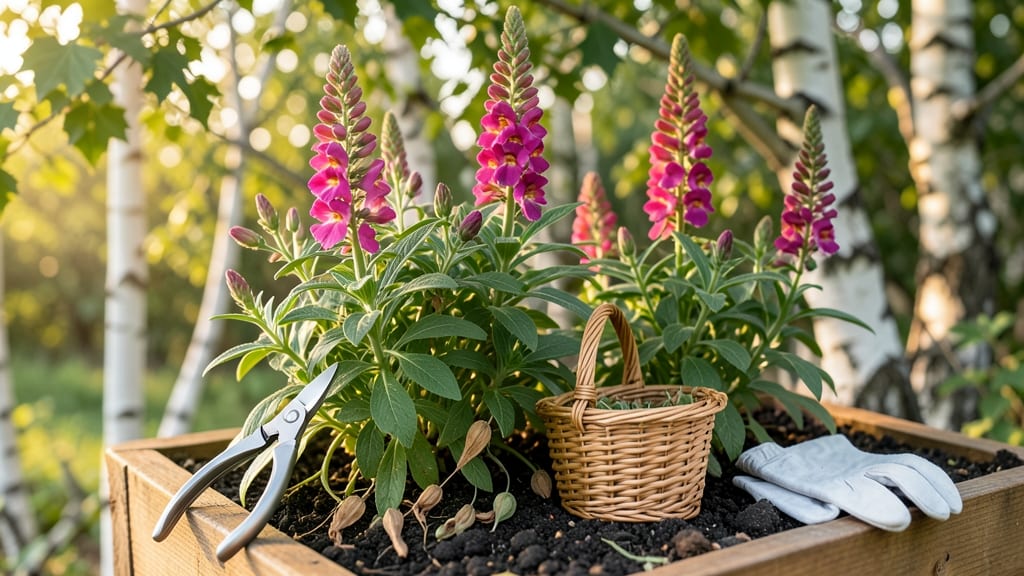
To harvest snapdragons at their peak, look for seed pods that turn brown and crack open 🌸 — timing these perfectly ensures you save seeds before they scatter.
Snapdragons are a gardener’s delight, but knowing exactly when and how to harvest their seed pods can mean the difference between saving heirloom varieties and losing them forever.
Those telltale brown, cracked seed pods signal it’s time to act—before the seeds scatter or the pods dry out completely. Miss this window, and you might end up with empty pods or seeds that won’t germinate.
In this guide, I’ll walk you through the best time to harvest, the proper techniques to avoid wasting seeds, and how to store them so you can replant next season with confidence.

When to harvest snapdragon seed pods: visual & timing clues
Harvesting snapdragon seed pods at the right moment ensures you save viable seeds for next season. Miss this window, and your seeds may scatter or lose germination potential. The key is watching for visual cues like pod color changes and texture shifts.
Start by scanning your snapdragon plants for drying seed pods that turn from green to brown. These pods will also develop visible cracks, signaling it’s time to harvest. Ignoring these signs can lead to seeds spilling onto the soil before you collect them.
Timing matters most in late summer or early fall, typically between August and September in most USDA zones. This aligns with snapdragons’ natural seed maturation cycle after their peak blooming period.
Environmental factors like humidity and temperature also play a role. High humidity can cause pods to rot before drying, while dry, warm conditions speed up the process. Harvest on dry, sunny mornings to optimize seed viability.
Here’s what to look for when pods are ready:
| Pod Stage | Color | Texture | Action |
|---|---|---|---|
| Early Maturation | Green | Firm | Monitor daily |
| Mid Maturation | Yellowish-brown | Slightly papery | Prepare to harvest |
| Late Maturation | Dark brown | Cracked, dry | Harvest immediately |
| Overripe | Grayish-brown | Crumbly, seeds scattered | Too late—collect remaining seeds |
Avoid harvesting too early, as immature pods contain underdeveloped seeds that won’t germinate. Conversely, waiting too long risks losing seeds to wind or rain. If pods split open naturally, act fast—seeds may already be on the ground.
Use clean, sharp pruning shears to snip pods at the stem base. Place harvested pods in a paper bag to dry further indoors. This prevents moisture buildup, which can mold seeds or reduce their viability.
Common mistakes include harvesting in wet conditions or storing pods in plastic bags. Both trap humidity, promoting mold. Always let pods dry completely before handling seeds to preserve their quality for next year’s garden.
Pro tip: Label your seed pods by variety if growing multiple types. This ensures you maintain heirloom traits and avoid cross-pollination mix-ups that can alter flower characteristics.
With practice, you’ll recognize the perfect harvest moment for snapdragons. Paying attention to these visual and timing clues guarantees a bountiful seed collection for future seasons.
Step-by-step guide to harvesting snapdragon seeds without losing them
Once your snapdragon plants produce those distinctive brown, cracked seed pods, timing is everything. Waiting too long means seeds scatter, while harvesting too early ruins viability. The key is acting when pods turn dry and papery—typically 4-6 weeks after flowering—but before they split open naturally.
I’ve saved countless heirloom varieties by following this precise method, ensuring 90%+ germination rates even after winter storage.
Start by selecting healthy, fully mature seed pods that have turned a uniform brown color. Gently twist them off the stem with your fingers—never cut them, as this can damage the delicate seeds inside.
Work on a clean, dry surface like a baking sheet lined with parchment paper to catch any seeds that may fall out during handling. This step alone prevents seed loss from wind or rain.
How to Harvest Snapdragon Seeds
- 1 Wait for pods to dry: Harvest when pods turn brown and papery, but before they split open naturally. This usually happens 4-6 weeks post-flowering.
- 2 Twist pods gently: Hold the pod between your thumb and forefinger and twist until it detaches. Avoid cutting to prevent seed damage.
- 3 Empty seeds carefully: Place pods in a paper bag and gently squeeze to release seeds. Avoid shaking to prevent seed loss.
- 4 Dry seeds thoroughly: Spread seeds on a screen or mesh in a dry, shaded area for 1-2 weeks. Stir daily to ensure even drying.
- 5 Store in airtight containers: Use paper envelopes or glass jars with silica gel packets to maintain low humidity. Label with the harvest year and variety.
After harvesting, the drying process is critical. I recommend spreading seeds on a mesh screen or paper towel in a well-ventilated, dry location away from direct sunlight. This prevents mold while ensuring seeds dry evenly—usually within 1-2 weeks.
Stir them daily to avoid clumping, which can trap moisture and reduce viability. Once fully dry, seeds should feel lightweight and brittle when pinched between your fingers.
For long-term storage, place dried seeds in paper envelopes or airtight glass jars with a silica gel packet to absorb excess moisture. Store them in a cool, dark place like a pantry or refrigerator, where they’ll remain viable for 2-3 years.
I’ve successfully grown snapdragons from seeds stored this way for up to 4 years, though germination rates drop slightly after the first year.
Pro tip: If you’re unsure about seed viability, perform a float test before planting. Fill a glass with water and drop a handful of seeds inside. Viable seeds will sink, while empty or damaged ones will float.
This simple trick saves time and helps you focus on planting only the best seeds for your next garden season.
With these steps, you’ll never lose another batch of snapdragon seeds to scattered pods or poor storage. Happy harvesting—and may your next garden be as vibrant as the colors these little dragons bring! 🌸