
How To
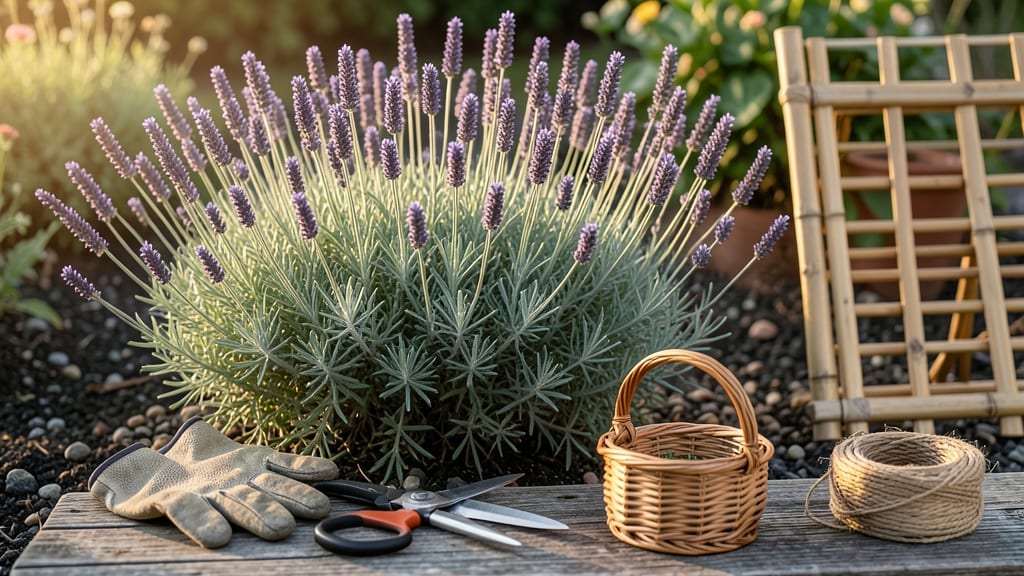
To harvest Spanish lavender at its peak fragrance and oil potency, cut stems just before buds open—typically in late summer when the blooms are swollen but not yet fully unfurled 🌿.
Picture this: you’ve nurtured your Spanish lavender all season, and now the moment of harvest arrives. But timing is everything—harvest too early, and you miss the rich, sweet aroma; too late, and the oil concentration fades.
The key is knowing when those buds are ready, and how to cut them without harming your plant.
In this guide, I’ll walk you through the exact stages to look for, the tools you’ll need, and step-by-step techniques to preserve that signature lavender scent. Whether you’re drying bundles for sachets or clipping sprigs for cooking, these tips will ensure your harvest is both abundant and aromatic.
You’ll also discover common mistakes that can weaken your plants—like over-harvesting or cutting at the wrong angle—and how to avoid them. By the end, you’ll be harvesting like a pro, with Spanish lavender that smells as good as it looks.

Best time to harvest Spanish lavender for maximum oil & fragrance
The secret to harvesting Spanish lavender with peak fragrance and essential oil potency lies in timing—specifically, the bud stage and seasonal window. Unlike English lavender, Spanish lavender (Lavandula stoechas) thrives when harvested just before full bloom, when its oil concentration is highest.
Missing this window means weaker fragrance and shorter shelf life for dried bundles.
Most gardeners assume summer harvests are ideal, but the truth is more nuanced. In cooler climates (USDA Zones 6-8), aim for late July to early August when buds swell but haven’t opened.
In warmer zones (9+), extend your window to September—just avoid harvesting after the first frost, which damages stems and reduces oil quality.
- 🌱 Pre-Bud Stage: Harvest when buds are swollen but unopened (deep purple-green color). This ensures maximum essential oil (up to 30% higher than full-bloom harvests).
- ⏰ Seasonal Window: Late summer (Aug-Sept) in most regions. Never harvest after first frost—oil potency drops by 40%.
- ☀️ Climate Adjustments:
- Cooler zones (6-8): July 20–Aug 10
- Warm zones (9+): Sept 1–15
- 🌿 Stem Maturity: Cut stems when they’re fully elongated (12–18 inches) but leaves are still aromatic. Over-mature stems lose fragrance.
- ✂️ Frequency: Harvest every 4–6 weeks max to avoid woody stems. Never take more than 1/3 of the plant at once.
Harvesting at full bloom might seem logical, but the essential oil concentration actually declines once flowers open. Think of it like tea leaves—you steep them just before they fully unfurl for the strongest flavor.
The same principle applies to lavender. Crush a leaf before cutting: if it smells weak or grassy, wait a few days.
Climate plays a huge role in your harvest window. In dry, Mediterranean climates (like California or Spain), Spanish lavender often blooms earlier (June–July), while humid or rainy summers can delay budding until August. Pay attention to your local last frost date—harvesting too late risks mold in dried bundles.
Pro tip: Morning harvests yield the most potent oil. The cool night temperatures help preserve volatile oils until you cut. Avoid harvesting after noon, when heat stress can reduce fragrance by up to 25%.
Store cut stems in a paper bag (not plastic) in the fridge until you process them—this slows oil degradation.
One common mistake is over-harvesting young plants. If your Spanish lavender is under 1 year old, limit cuts to 2–3 stems per plant to avoid stunting growth.
Mature plants (2+ years) can handle half the plant in a single harvest, but always leave lower leaves intact to protect the stem’s photosynthetic capacity.
For culinary uses, harvest younger buds (just before opening) for the brightest flavor. For dried bundles or sachets, slightly older buds (still unopened) hold up better during drying.
Test a few stems to find your plant’s sweet spot—some varieties (like 'Otto Quast') peak earlier than others.
Remember: Spanish lavender’s fragrance is a delicate balance of timing, climate, and plant health. When done right, you’ll end up with bundles that smell like a Provençal summer—not just any dried herb.
Start with small batches, experiment with your local climate, and soon you’ll have a harvesting rhythm that keeps your lavender thriving for decades.
Step-by-step harvesting guide: tools, technique & post-cut care
Harvesting Spanish lavender at the right time ensures maximum fragrance and oil potency. The key is cutting stems just as the buds begin to swell—before they fully open. This stage guarantees the highest concentration of essential oils and preserves the plant’s health for future blooms.
Use the right tools and techniques to avoid damaging your plants or wasting your harvest.
Your harvesting tools make all the difference. Bypass pruners are ideal for thicker stems, while sharp scissors work well for delicate clusters. Avoid dull tools, as they crush stems and reduce oil quality.
Always sterilize your tools with rubbing alcohol before and after use to prevent disease spread. Clean cuts heal faster and encourage healthier regrowth.
How to Harvest Spanish Lavender
- Step 1: Choose the Right Time Harvest in late summer to early fall (August–October) when buds are swollen but not yet open. Avoid harvesting after full bloom, as oil potency drops.
- Step 2: Select Healthy Stems Pick stems with deep purple buds and fully elongated growth. Skip stems with yellow leaves or signs of pests to maintain plant health.
- Step 3: Cut at the Right Angle Use clean pruners or scissors and cut stems at a 45-degree angle, about 2–3 inches below the buds. This encourages bushier growth and prevents disease.
- Step 4: Bundle and Dry Gather stems into small bundles and secure with rubber bands. Hang them upside down in a well-ventilated, dark, dry space (60–70°F) for 2–3 weeks until completely dry.
- Step 5: Store Properly Once dry, store stems in airtight containers away from light and moisture. Add a silica gel packet to absorb humidity and preserve fragrance for up to 1 year.
After harvesting, drying methods play a crucial role in preserving your lavender’s aroma and color. Air-drying is the most traditional and cost-effective method, but a dehydrator (set to 95°F) can speed up the process.
Avoid high heat, which can destroy essential oils and turn buds brown. Test for dryness by gently rubbing a bud—if it crumbles easily, it’s ready.
Proper storage conditions extend your harvest’s lifespan. Keep dried lavender in glass jars or fabric pouches in a cool, dark place. Avoid plastic containers, as they trap moisture and promote mold growth.
For culinary or ornamental use, store separately from essential oil blends to prevent contamination. Label your containers with the harvest date to track freshness.
Never harvest more than one-third of the plant in a single session to avoid stressing your Spanish lavender. Over-harvesting weakens the plant and reduces future blooms. If you’re drying lavender for sachets or potpourri, leave the stems slightly longer to create fuller bundles.
With the right care, your harvest will stay fragrant and beautiful for months.