
How To
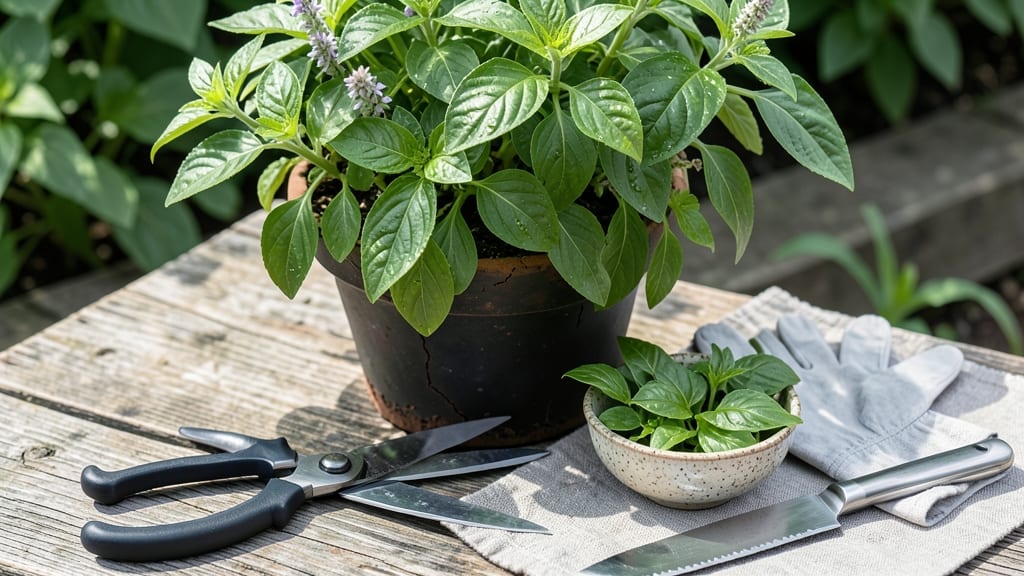
To harvest tulsi 🌿 properly, focus on timing, technique, and regrowth—these three factors determine whether your plant thrives or struggles after each trim.
Picture this: You’ve nurtured your tulsi for months, only to snip leaves too aggressively and watch it wilt within weeks. The key isn’t just when you harvest, but how—and most gardeners miss the subtle cues that signal the best moment to cut.
In this guide, I’ll walk you through the optimal harvest window (morning vs. evening), the stem-cutting method that encourages bushier growth, and how to spot the signs of over-harvesting before it’s too late.
By the end, you’ll know exactly when to prune for maximum yield, how to store fresh leaves, and the one trick that keeps your tulsi producing for months—without sacrificing its health.

When and how to harvest tulsi leaves for maximum yield
Harvesting tulsi leaves at the right time and using the correct techniques ensures a steady supply of fragrant, potent leaves while encouraging vigorous regrowth. Unlike many herbs, tulsi thrives when harvested regularly, producing more leaves when you prune properly.
The key lies in understanding the plant's growth cycles and avoiding common mistakes that stunt production.
For maximum yield, focus on harvesting in the morning hours when essential oils are at their peak. This timing not only boosts flavor and potency but also gives you drier leaves that store better.
Avoid harvesting after sunset, as leaves tend to be more moist and prone to wilting faster. The right tools and pruning methods also play a critical role in maintaining a bushy, productive plant.
⚠️ NON-NEGOTIABLE: Never harvest more than one-third of the plant at once. Over-harvesting weakens tulsi, leading to stunted growth or even death. Instead, aim for weekly pruning during peak growing seasons to encourage lateral branching and a fuller plant structure.
When selecting leaves to harvest, always choose the outer leaves first. These are fully mature and won't harm the plant's growth center. Look for leaves that are dark green, glossy, and at least 2-3 inches long.
Younger, inner leaves should remain on the plant to continue photosynthesis and support new growth. This method ensures your tulsi plant stays productive for months.
For continuous harvests, implement a pruning schedule that matches the plant's growth cycle. During spring and summer, when tulsi grows most actively, you can harvest every 7-10 days.
In fall and winter, reduce frequency to every 2-3 weeks as growth slows. Always leave at least 4-6 sets of leaves on each stem to maintain the plant's energy reserves.
One of the most common mistakes is harvesting flowering stems. While tulsi flowers are beautiful, removing them reduces leaf production by up to 40%. Instead, pinch off flowers as soon as they appear to redirect the plant's energy back into leaf growth.
This simple trick can double your yield during peak seasons. Additionally, avoid harvesting leaves that are yellowing or wilted, as these indicate stress or disease.
To maintain a healthy tulsi plant, always use sterilized tools when pruning. Dip scissors or pruners in rubbing alcohol before each use to prevent spreading bacterial or fungal infections. After harvesting, rinse leaves gently under cool water and pat dry with a clean towel.
Store them in a paper towel-lined container in the fridge for up to 5-7 days to preserve freshness and potency.
If your tulsi plant starts looking leggy or sparse after harvesting, it's time for a <
Step-by-step stem-cutting method for healthy regrowth
When harvesting tulsi leaves, the way you cut stems makes all the difference in regrowth and plant health. Using the right cutting technique encourages bushier growth while preventing disease. Start by selecting healthy stems with at least 4-6 sets of leaves—these are ready for pruning without stressing the plant.
Choose sharp, clean tools like bypass pruners or sterilized scissors to avoid tearing stems. Dull tools crush plant tissue, inviting fungal infections like powdery mildew. Always disinfect your tools with rubbing alcohol before and after use to maintain hygiene.
⚠️ Critical Cutting Mistake
Never cut stems at a flat angle—this traps water and causes rot. Always make a 45-degree angle 1/4 inch above a leaf node to promote new shoots. Avoid cutting too close to the base, which can damage the plant's growth center.
To stimulate bushier regrowth, cut stems just above a leaf node where new growth emerges. This encourages the plant to branch out instead of growing taller. For maximum yield, harvest one-third of the plant at a time, leaving enough foliage for photosynthesis to continue.
After cutting, place stems in a shallow container of water in indirect light to preserve freshness. Avoid direct sunlight, which can wilt leaves quickly. For long-term storage, bundle stems and hang them upside down in a dry, dark place for 1-2 weeks to create dried tulsi leaves.
Post-harvest care is just as important as the cutting process. Water your tulsi plant deeply after pruning to help it recover. Apply a balanced fertilizer (10-10-10) every 4-6 weeks during the growing season to support new growth. Mulch around the base to retain moisture and protect roots from temperature fluctuations.
Monitor your plant for signs of stress, like yellowing leaves or stunted growth. If you notice these, reduce harvesting frequency and ensure the plant gets 6+ hours of sunlight daily. With proper stem-cutting techniques and care, your tulsi plant will thrive and produce fresh leaves for months.