
How To
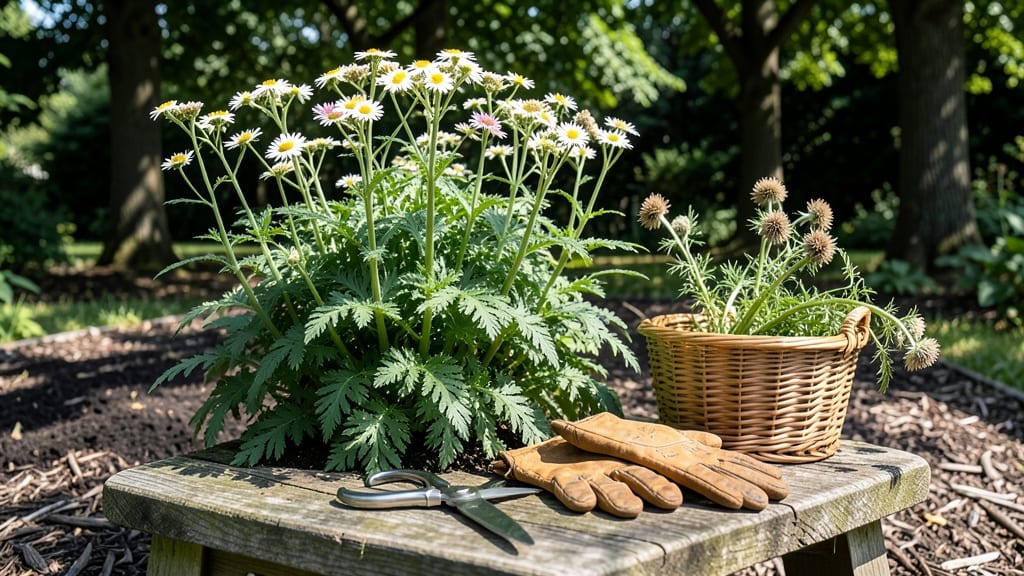
To harvest yarrow at its peak for drying, medicinal use, or fresh eating, you’ll need to time it just right—because a single day can make the difference between potent remedies and bitter leaves.
Yarrow isn’t just a hardy perennial—it’s a medicinal powerhouse and edible delicacy, but timing your harvest wrong can ruin its potency or flavor. Whether you’re drying clusters for tea or snipping leaves for salads, the right moment ensures the best results.
Harvesting too early means underdeveloped compounds, while waiting too long turns flowers dull and leaves tough. Below, I’ll walk you through the exact signs to look for—from fully open blooms to vibrant petals—and how to cut stems without harming your plant.
You’ll also discover how to store your harvest for maximum shelf life, whether you’re preserving yarrow for teas, tinctures, or culinary uses. Let’s get started!

When to harvest yarrow for dried flowers and medicinal use
Yarrow (Achillea millefolium) reaches its peak potency when harvested at the right stage, especially for drying medicinal flowers. The best time to harvest is during full bloom, when flower clusters are completely open but before they turn brown. This ensures maximum levels of flavonoids and volatile oils, the compounds responsible for yarrow’s therapeutic benefits.
For dried flowers, aim to harvest in the morning after dew has dried but before the sun peaks. This preserves moisture levels and prevents wilting. In most climates, this window falls between late June and early September, aligning with yarrow’s natural blooming cycle in USDA Zones 3-9.
Climate plays a critical role in timing. In cooler regions (Zones 3-5), harvest may start as early as June, while in warmer zones (Zones 7-9), you might extend harvesting until October. Always prioritize dry, sunny days to avoid fungal risks during harvest.
Here’s a quick reference for optimal harvest timing and signs of readiness:
| Harvest Stage | Signs of Readiness | Best Time of Day | Climate Adjustments |
|---|---|---|---|
| Full Bloom | Flower clusters fully open, petals bright and vibrant | Morning (post-dew) | June-September (Zones 3-5) |
| Seed Stage | Seed heads forming but not yet brown | Late morning | July-October (Zones 7-9) |
| Medicinal Peak | Highest volatile oil content (full bloom) | Early morning | Adjust 2-4 weeks earlier in cooler climates |
If you’re harvesting for medicinal use, focus on full bloom stages, as this is when achillein (a key anti-inflammatory compound) is most concentrated. Avoid harvesting if flowers show signs of wilting or browning, as this indicates reduced potency.
For dried flowers, cut stems at a 45-degree angle to encourage regrowth and maximize yield.
After harvesting, remove leaves from the stems and bundle 10-15 stems together with rubber bands. Hang bundles in a dark, well-ventilated space (like a closet or attic) with 50-60% humidity for 2-3 weeks. This preserves the flavonoid content critical for medicinal applications.
For long-term storage, keep dried yarrow in airtight glass jars away from direct sunlight. Label jars with the harvest date—dried yarrow retains potency for 1-2 years if stored properly. To test freshness, crush a small amount; it should release a fresh, herbal aroma.
Pro tip: Leave 10-20% of flowers on the plant to support pollinators like bees and butterflies. Yarrow is a pollinator magnet, and sustainable harvesting ensures your garden remains vibrant and productive for years to come.
For large-scale drying, consider using a dehydrator set to 95°F (35°C) for 2-4 hours. This method speeds up drying while preserving color and potency. Always monitor humidity levels to prevent mold growth during the process.
Remember, over-harvesting weakens yarrow plants. Limit harvests to one-third of the plant at a time to encourage robust regrowth. With proper timing and care, your yarrow will reward you with years of medicinal and ornamental use.
How to harvest yarrow leaves for culinary use: best practices
Yarrow leaves are a delicate, peppery-flavored addition to salads, teas, and pestos—but only if harvested correctly. The key lies in timing and technique. Young leaves pack the most vibrant flavor, while mature leaves can turn bitter if picked at the wrong stage.
I’ve learned the hard way that harvesting too late or using the wrong tools can ruin an entire batch.
For culinary use, focus on the first 6-8 inches of growth from the plant’s base. These tender leaves are rich in volatile oils that give yarrow its signature taste. Avoid harvesting when the plant is stressed by drought or heat, as this intensifies bitterness.
I always check the weather forecast before picking to ensure I’m working with fresh, flavorful foliage.
⚠️ Critical Mistake: Picking Leaves After Flowering
Once yarrow flowers, its leaves develop bitter alkaloids that make them inedible. Always harvest leaves before the plant bolts (typically in early to mid-summer). Overlooking this can turn your culinary yarrow into a medicinal-only batch.
Use clean, sharp pruning shears to snip leaves just above a leaf node. This encourages bushier growth and prevents disease. I avoid pulling leaves by hand, as this can damage the plant.
For large harvests, cut entire stems and strip the leaves later—this method is gentler on the plant and more efficient.
Young yarrow leaves taste like a mild, herbal pepper, perfect for garnishing soups or blending into pestos. Mature leaves, while still edible, have a stronger, more bitter profile that works better in herbal teas or infused oils.
I always taste-test a small batch before committing to a full harvest—this helps me adjust my expectations.
After harvesting, rinse leaves in cool, filtered water and pat dry with a clean towel. Store them in the fridge for up to 5 days or dry them for long-term use.
For drying, bundle stems and hang upside down in a dark, well-ventilated space. Once completely dry, strip the leaves and store them in an airtight container away from light.
To maximize your harvest, never take more than one-third of the plant’s leaves at once. Yarrow is resilient, but over-harvesting weakens it and reduces future yields.
I also leave some flowers on the plant to support pollinators like bees—this ensures a healthy garden ecosystem while still allowing for a bountiful leaf harvest.