
How To
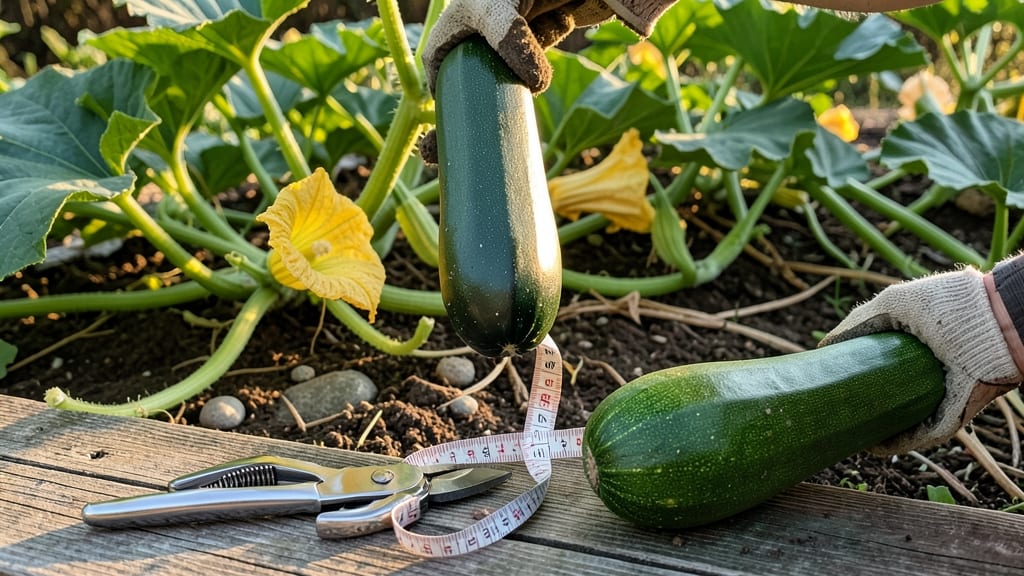
Knowing when to harvest zucchini 🎃 comes down to three simple checks: size, color, and a little pressure test that takes under 10 seconds.
Picture this: you’re about to slice one into dinner, and it’s tough, seedy, and bitter—because you waited too long. Or worse, you pick it too early, and it’s still hard and bland.
The difference between those two outcomes? A quick daily check that keeps your plants productive and your meals delicious.
Most gardeners miss the sweet spot because they rely on days-to-maturity labels instead of visual cues. But zucchini ripen faster in hot weather, and skipping a harvest can mean a sudden flood of overgrown squash. Here’s how to spot the perfect moment—before it’s too late.
You’ll learn the thumbprint trick for texture, the ideal size range (hint: it’s smaller than you think), and how seasonal heat changes the game. By the end, you’ll harvest zucchini at peak flavor, every time.
The thumbprint test: how to check zucchini ripeness for optimal harvest
Harvesting zucchini at the right moment transforms your garden bounty from bland to exceptionally flavorful. The thumbprint test is my go-to trick for determining peak ripeness—it’s foolproof, fast, and requires no special tools.
Whether you’re a first-time gardener or a seasoned pro, mastering this method ensures you’ll enjoy zucchini that’s tender, sweet, and seed-free every time you pick it. 🌱
Zucchini ripeness isn’t just about size—though that matters too. The real magic happens when the fruit’s skin texture and internal structure reach their sweet spot. A zucchini that’s too young is tough and seedy, while one left too long becomes fibrous and bitter.
The thumbprint test combines visual cues, touch, and size to give you a crystal-clear signal. Here’s how to do it right. 🤏
How to Use the Thumbprint Test
-
Step 1: Check the Size
Aim for zucchini between 6–8 inches long. Smaller than 6 inches? Still firm and underdeveloped. Larger than 8 inches? Likely past its prime. -
Step 2: Inspect the Blossom End
Look for a yellowing or brownish stem end (the blossom end). This signals the zucchini has stopped growing and is ready to harvest. -
Step 3: Perform the Thumbprint Test
Gently press your thumb into the zucchini’s skin. If it leaves a slight dent that doesn’t spring back, it’s ready. No dent? Still too firm. -
Step 4: Examine the Skin Color
Mature zucchini should be deep, glossy green with no pale or dull patches. A dull finish often means it’s overripe. -
Step 5: Test Stem Flexibility
Gently bend the stem near the fruit. If it snaps easily, the zucchini is at peak ripeness. If it resists, wait a day or two.
The thumbprint test works because it checks the internal moisture and cell structure of the zucchini. When the skin yields slightly under pressure, it means the flesh inside is juicy and sweet, not woody or seedy.
This method is especially useful for fast-growing varieties like ‘Black Beauty’ or ‘Eight Ball,’ which can go from perfect to overripe in just a few days. 🌿
One common mistake is harvesting based solely on size. A zucchini that’s 8 inches long but still rock-hard isn’t ready—it needs that thumbprint give. Conversely, a 5-inch zucchini with a yellow blossom end might be perfectly ripe. Always combine size, color, and the thumbprint test for accuracy. ⏰
Seasonal variations can also affect ripeness. In hot, dry climates, zucchini may ripen faster and need harvesting every 2–3 days. In cooler or cloudy conditions, they might take longer to reach the ideal texture. Adjust your harvesting frequency based on your local weather patterns. ☀️
Overripe zucchini isn’t just less flavorful—it can also reduce next year’s yield. When left too long on the vine, the plant diverts energy from producing new flowers to maturing the existing fruit.
This leads to fewer zucchini in the long run. Stay proactive by checking your plants every 2–3 days during peak growing season. ✂️
Pro tip: Harvest in the morning when zucchini is cool and firm. This ensures you’re getting the freshest, most flavorful produce. Avoid harvesting after a rain or in the heat of the day, as the skin may feel softer than usual, leading to false readings on the thumbprint test. 💧
Once you’ve mastered the thumbprint test, you’ll never second-guess your zucchini harvest again. The key is consistency and observation. The more you practice, the quicker you’ll spot the perfect zucchini—just look for that slight dent, deep color, and yellowing blossom end.
Your taste buds (and your dinner guests) will thank you! 🎃
Zucchini harvesting timeline: size, days to maturity, and seasonal variations
Timing your zucchini harvest correctly ensures you enjoy tender, flavorful produce instead of tough, seedy disappointment. Most varieties reach maturity in 45–75 days, but exact timing depends on your specific variety and growing conditions. Understanding these harvesting windows helps you plan ahead and avoid missing peak ripeness.
Standard zucchini varieties like 'Black Beauty' or 'Golden Zucchini' typically mature in 50–55 days, while bush varieties may take slightly longer. Seasonal variations—like heatwaves or early frosts—can also shift your harvest timeline. For example, hotter summers may speed up ripening, while cooler springs could delay it.
Here’s a quick-reference chart for common zucchini varieties, including their ideal harvest size, days to maturity, and seasonal considerations:
In early summer, when temperatures are moderate, zucchini typically ripens faster. However, extreme heat can cause fruits to mature too quickly, leading to smaller sizes. Conversely, cool, cloudy weather may slow ripening, so check your plants every 2–3 days during peak season.
Pro tip: If your zucchini plant is overproducing, harvest smaller fruits (3–4 inches) to keep the plant balanced and encourage more even growth. This is especially useful for bush varieties, which can become overloaded if left unchecked.
Always harvest in the morning when fruits are cool and firm. Use a sharp knife or pruners to cut the stem, leaving a small portion attached to the vine. This reduces the risk of disease and encourages new fruit to develop.
🌱