
How To
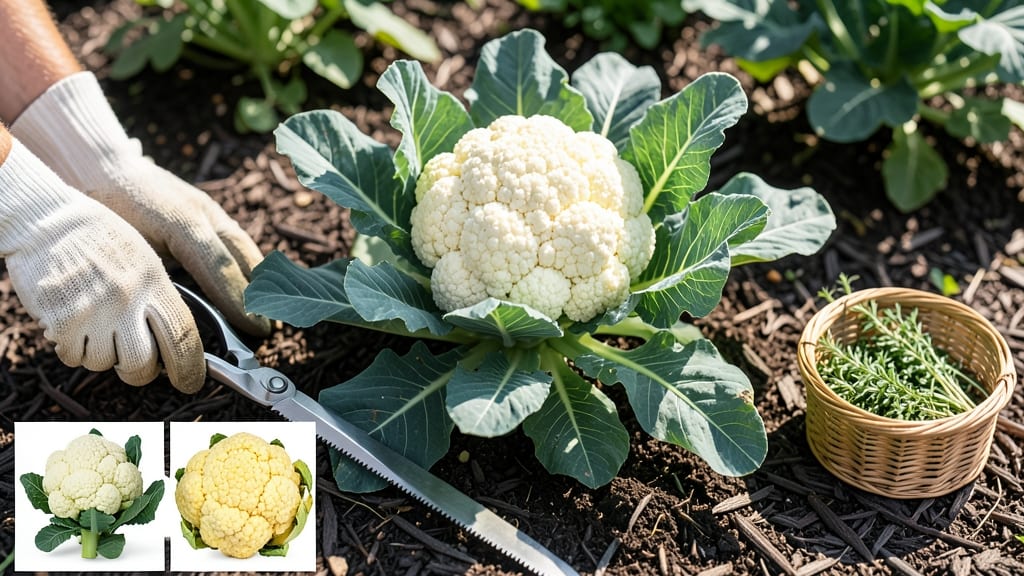
To know when to pick cauliflower, focus on curd firmness, size, and leaf color—these three cues reveal the perfect moment before the head turns bitter or woody.
Picking cauliflower at the wrong time can mean the difference between a tender, flavorful harvest and a bitter, overgrown disappointment—so how do you know it's perfectly ready?
Start by checking the head: it should be solid and firm when gently squeezed, with buds tightly closed but no green showing. The outer leaves should begin yellowing, signaling maturity, while the head itself reaches 6-8 inches in diameter for standard varieties.
Below, I’ll walk you through the exact steps to assess readiness, including how to spot overripe heads and salvage underripe ones—plus tips to keep your harvest fresh post-pick.

How to check cauliflower curd tightness for perfect harvest timing
Timing your cauliflower harvest is an art that balances curd firmness, head size, and color development. A head picked too early will be small and bland, while waiting too long turns it woody and bitter.
The key lies in feeling the curd density and observing subtle visual cues that signal peak readiness. I’ve learned that even a 1-2 day delay can make the difference between a tender curd and one that’s past its prime.
Most cauliflower varieties take 70-100 days to mature, but environmental factors like temperature and sunlight can shift this window. For example, my Purple of Sicily plants matured 5 days earlier in cooler spring weather compared to summer plantings.
Pay attention to your local climate—hotter days often speed up maturation, while cloudy periods may delay it. Always check your seed packet for variety-specific days to harvest, but use these physical cues as your final guide.
Here’s the step-by-step method I use to determine perfect harvest timing, including how to spot baby cauliflower vs. full-size heads:
Gently squeeze the curd head with your thumb and forefinger. It should feel solid and dense, like a firm apple. If it gives slightly (like a ripe tomato), it’s not ready. For baby cauliflower, aim for a head about 3-4 inches wide—still firm but smaller than a full head.
The curd should be fully colored and consistent—no green spots or pale patches. White varieties should be creamy white, purple types deep violet, and orange cauliflower uniform golden-yellow. Uneven color often means it’s not fully matured.
The outer curly leaves should be spreading outward but still partially covering the head. If the leaves are fully unfurled or yellowing, the curd may be overripe. For baby cauliflower, leaves will be tighter and smaller compared to full-size heads.
Full-size heads should be 6-8 inches wide (varies by variety). For baby cauliflower, harvest when heads reach 3-5 inches. Use a ruler or compare to a tennis ball (standard size) for reference.
Look for tightly closed buds on the curd’s surface. If buds are opening or flowering, the head is past its prime. This is a critical sign of overmaturity—don’t ignore it!
Pick cauliflower in the morning after dew has dried. This reduces stress on the plant and ensures the curd stays crisp and fresh. Avoid harvesting after heavy rain, as moisture can cause rot during storage.
One common mistake I see is waiting until the curd starts splitting or the leaves turn brown. By then, the flavor has already declined, and the texture becomes woody and tough.
I once left a head too long, and it turned into a brittle, yellowed mess—a lesson I won’t forget! If you’re unsure, it’s better to harvest 1-2 days early than risk overmaturity.
For baby cauliflower, timing is even trickier because you’re targeting a smaller, tighter head. Use the same firmness test but adjust your size expectations. Varieties like Snowball Y Improved are great for baby harvests—they produce multiple small heads per plant.
I’ve found that harvesting baby cauliflower every 5-7 days encourages more production, especially in warm climates.
After harvesting, store cauliflower in the refrigerator for up to 5-7 days. Wrap the head loosely in a damp paper towel to maintain moisture, and place it in a plastic bag with a few air holes.
Proper storage preserves both texture and flavor, so don’t skip this step—even the perfect harvest can spoil if not handled correctly.
Pro tip: If your cauliflower heads are uneven in size, the largest ones are likely ready first. Harvest them first to make room for the smaller heads to mature. This staggered harvesting technique maximizes your yield and ensures you always have fresh curds on hand.
🥬
Leaf color and size: the hidden signs your cauliflower is ready
Your cauliflower's outer leaves are like nature's calendar—they reveal whether your harvest is weeks away or days away. Pay attention to their color shifts and leaf size, as these subtle clues tell you exactly when to pick for peak flavor.
For example, yellowing leaves at the base often signal maturity, while browning edges might mean stress from heat or drought.
Temperature plays a surprising role in leaf signals. In cool weather (50-65°F), leaves may stay vibrant green until the very last moment, while hot spells (above 80°F) can cause premature yellowing or even leaf drop.
This is why late spring plantings often require closer monitoring—your cauliflower might mature faster than expected when temperatures climb.
Don't overlook leaf curling, another key indicator. Healthy leaves should be firm and upright, but as the head matures, the outer leaves naturally spread outward and may curl slightly at the edges.
If you notice excessive curling combined with yellowing, it could mean your plant is struggling with bolting due to heat stress rather than normal maturity.
| Leaf Condition | What It Means | Action |
|---|---|---|
| Bright green leaves | Plant is still actively growing; head not yet mature | Wait 1-2 weeks |
| Yellowing at base | Natural sign of maturity; nutrients moving to head | Check head firmness |
| Browning edges | Possible heat stress or drought (not maturity) | Water deeply; monitor head |
| Curling outward | Head fully formed; leaves spreading naturally | Harvest in 2-3 days |
| Wilted or drooping | Overmature or stressed plant | Harvest immediately |
Sunlight exposure also affects leaf signals. Plants in partial shade may develop smaller heads with leaves that stay green longer, while those in full sun often show maturity cues 1-2 weeks earlier.
If your garden gets 6+ hours of sun daily, your cauliflower will likely mature faster, so check leaves every 3-4 days during peak growing months.
Pro tip: Gently squeeze the head while inspecting the leaves. If the head feels firm and the leaves show yellowing at the base, it's time to harvest.
For purple or orange varieties, the color will deepen as maturity approaches—don't wait until the head turns completely white (for white varieties) or the color fades, as this indicates overmaturity.
Remember, every cauliflower variety has its own maturity timeline. Baby cauliflower varieties may show readiness in just 45-50 days, while standard types take 70-100 days. Keep a harvest journal to track your plants' specific cues—this helps you spot patterns in your local climate's impact on leaf signals.