
How To
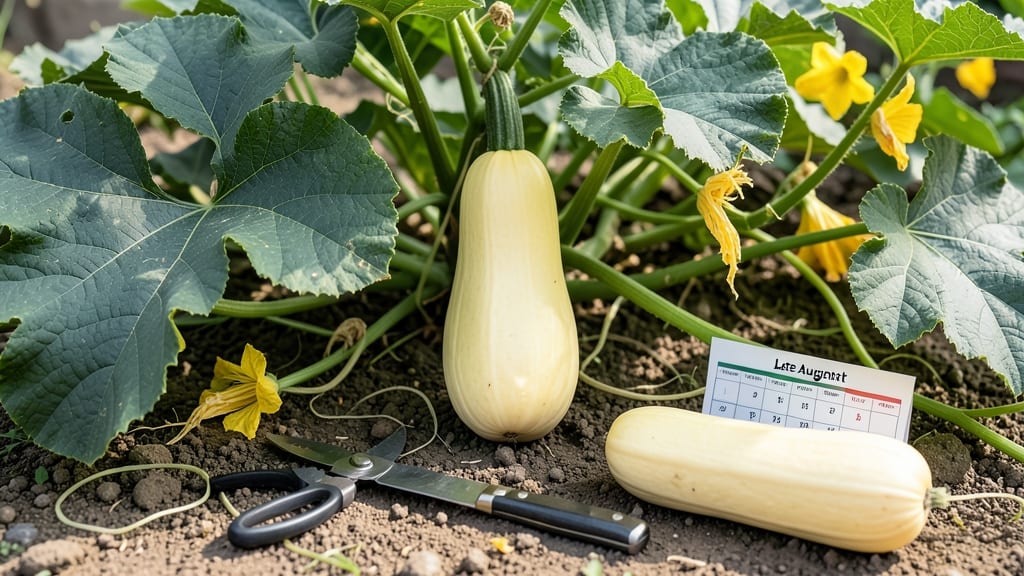
Knowing when to pick spaghetti squash 🎃 is all about timing—wait too long, and you’ll end up with a tough, seedy mess instead of tender, stringy perfection.
Picture this: you’ve nurtured your spaghetti squash all season, but how do you know the exact moment to harvest without slicing it open? The answer lies in three simple, hands-on tests that reveal ripeness through touch, sight, and even sound.
From checking the rind’s firmness to listening for a hollow tap, these methods take the guesswork out of harvest time. You’ll learn how to spot the ideal color shift, when the stem detaches effortlessly, and why a light tap can tell you everything you need to know.
Master these cues, and you’ll enjoy restaurant-quality spaghetti squash every time—no more mushy disappointments or overly fibrous results. Let’s dive into the three foolproof ways to nail your harvest.
3 Tactile tests to determine spaghetti squash ripeness without cutting
Harvesting spaghetti squash at the right time ensures tender, flavorful strands instead of tough, seedy disappointment. The key lies in three simple tactile tests that reveal ripeness without damaging the fruit. These methods—firmness, skin texture, and stem separation—work together to give you confidence in your harvest timing.
I’ve used these same techniques for years in my garden, and they’ve never failed to deliver perfectly ripe squash.
Many gardeners make the mistake of relying solely on color or size, but physical cues are far more reliable. A squash that looks ripe on the outside might still be underdeveloped inside, while one that appears overripe could be just right.
The secret is combining visual inspection with hands-on testing to avoid these pitfalls. Let’s break down each test so you can master the art of picking spaghetti squash like a pro.
Before diving into the tests, grab a squash from your garden and examine it closely. The ideal spaghetti squash should feel heavy for its size, indicating a high water content and maturity.
This weight alone can tell you whether the squash has had enough time to develop properly. If it feels lightweight, it’s likely still growing and needs more time on the vine.
- 1. The Firmness Test: Press your thumbnail into the squash skin. If it doesn’t dent and feels hard like a cantaloupe, it’s ripe. A soft spot means it needs more time.
- 2. The Skin Texture Check: Run your fingers over the skin. Ripe squash has a dull, matte finish (not shiny). If it’s still glossy or waxy, it’s not ready.
- 3. The Stem Twist Test: Gently twist the stem. If it detaches easily with a slight crack, the squash is at peak ripeness. A stubborn stem means it’s underripe.
The firmness test is my go-to method because it’s the most foolproof. When I press my thumbnail into the squash skin, I’m looking for zero give. If the skin resists and doesn’t dent, that’s your green light to harvest.
This test works especially well when squash are still on the vine, as the firmness changes subtly as they mature. I’ve found that squash left too long on the vine after passing this test can become overly fibrous, so timing is everything.
Next, pay attention to the skin texture. A ripe spaghetti squash should have a dull, almost papery feel when you run your fingers over it. If the skin still feels slick or waxy, it’s not ready.
I often compare it to the skin of a ripe butternut squash—same matte finish. This texture change happens as the squash’s starches convert to sugars, which is when the flavor peaks. Ignoring this cue can lead to squash that’s underripe and bland or overripe and stringy.
The stem separation test is often overlooked but is crucial for nailing the harvest window. When the stem detaches easily with a slight twist, it’s a clear signal that the squash is ready. This happens because the nutrients have fully transferred from the vine to the fruit.
If the stem resists, the squash needs more time. I’ve learned the hard way that forcing a harvest with a stubborn stem results in underdeveloped interiors. Always wait for that telltale crack when twisting.
One common mistake gardeners make is harvesting based on size alone. Just because a spaghetti squash is large doesn’t mean it’s ripe. Size can vary greatly depending on the variety and growing conditions. Instead, combine all three tests—firmness, texture, and stem separation—to ensure accuracy.
I’ve seen giant squash that were still tough and seedy because they weren’t fully matured. Always trust the tactile clues over assumptions about size.
Timing your harvest is also critical to avoid frost damage. Spaghetti squash is sensitive to cold, and a light frost can ruin the flavor and texture. In my zone, I aim to harvest by mid-October before the first frost hits.
If you’re in a similar climate, keep an eye on the forecast and prioritize the tactile tests over the calendar. A squash that passes all three tests is always worth harvesting, even if it’s slightly smaller than expected.
Once you’ve confirmed ripeness, harvest your spaghetti squash using a sharp knife or pruners, leaving a 1-inch stem attached. This helps extend shelf life by slowing moisture loss. Store the squash in a cool, dry place (around 50–55°F) where it can cure for a few days before eating.
Proper storage ensures the strands remain tender and flavorful for weeks. With these tactile tests, you’ll never second-guess your harvest again!
🎃
How to check spaghetti squash ripeness by color, shape, and stem
Spaghetti squash ripeness isn’t just about guessing—it’s about observing three key visual cues that reveal whether your squash is ready to harvest. The skin color, shape changes, and stem condition all shift dramatically when it’s time to pick.
Ignoring these signs often leads to either a tough, seedy interior or a squash that’s too soft and flavorless. Let’s break down exactly what to look for in each category.
First, pay attention to the skin color transformation. A ripe spaghetti squash will show a dull yellow-beige or tan hue instead of its original bright green. This color shift happens gradually, so check your squash weekly after 80 days of growth.
The transition from green to yellow signals the squash’s starches are converting into that prized stringy texture we all love. Don’t wait until it turns fully beige—peak ripeness is that in-between gradient.
Next, examine the shape and firmness of the squash. A ripe specimen will feel heavy for its size and have a hard, thick rind that’s difficult to pierce with your fingernail. Gently press the skin near the stem—if it doesn’t dent easily, it’s ready.
You’ll also notice the squash’s shape becomes more rounded and less elongated as it matures. This fullness indicates the seeds have stopped growing and the flesh is developing its signature strands.
The stem condition is your final clue—when it’s ready, the stem will dry out and turn yellowish-brown. Gently twist the stem near the squash; if it detaches easily with a slight tug, it’s time to harvest. A stubborn stem means the squash needs more time.
Pro tip: Check this last, as the stem can dry out a day or two before the squash is fully ripe, so combine it with the other two tests for accuracy.
Timing is everything with spaghetti squash—harvest too early, and you’ll end up with tough, underdeveloped strands. Wait too long, and the squash may overripen on the vine, leading to a hollow center or bitter taste.
Aim to pick when 70-80% of the vines have died back, typically in late summer to early fall (September-October in most climates). This ensures you catch that sweet spot between perfect texture and flavor.
Once you’ve confirmed ripeness, use a sharp knife or pruners to cut the squash from the vine, leaving a 1-inch stem attached. This helps prevent rot during storage.
Store your freshly harvested squash in a cool, dry place (50-55°F) where it’ll keep for 2-3 months. With these visual cues mastered, you’ll never second-guess harvest time again!