
How To
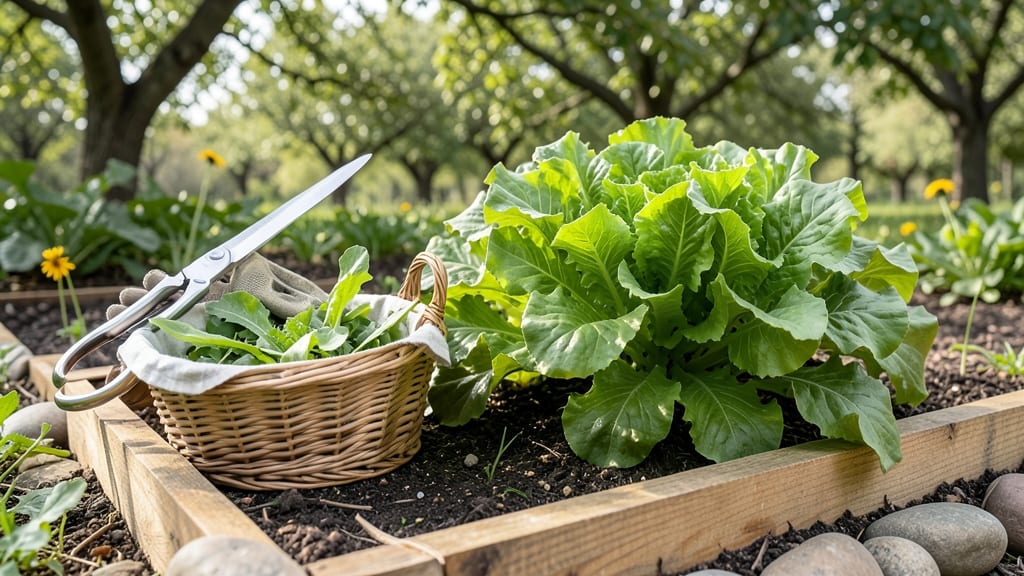
To pick green leaf lettuce 🥬 at its peak—crisp, tender, and bursting with flavor—you need to know the exact moment to harvest, not just when it looks ready.
Picture this: you’ve nurtured your leaf lettuce through cool spring days, only to wonder, "Is it time yet?" The truth? Waiting too long turns those perfect leaves into bitter, tough stalks that ruin even the best salad.
But harvest too early, and you miss out on the full flavor and size your plants worked so hard to achieve.
Here’s the secret: the best lettuce is firm to the touch, with vibrant green leaves that haven’t yet bolted (or turned yellow). You’ll also learn how to cut it the right way—so the plant keeps producing more harvests all season long.
Whether you’re harvesting from your garden or grabbing the freshest bunch at the market, these simple tests will transform your lettuce game. Let’s dive in.


Visual and texture tests to identify perfect green leaf lettuce
Picking the perfect green leaf lettuce starts with understanding what to look for in both color and texture. Fresh lettuce should have a vibrant green hue with no yellowing or browning, which are signs of age or stress.
The leaves should feel crisp and firm to the touch, not wilted or rubbery. These simple tests help you avoid bitter, tough, or spoiled lettuce that ruins your salad experience.
When evaluating leaf color, focus on the uniformity and brightness of the green. Darker, deeper greens often indicate maturity and better flavor, while pale or dull leaves suggest the lettuce was exposed to too much heat or not enough water.
Look closely for any brown spots or discoloration, which can be early signs of rot or pest damage.
Texture is equally important—crispness is a key indicator of freshness. Gently squeeze a leaf between your fingers; it should spring back rather than stay bent. If the leaves feel soft or mushy, they’ve likely been stored too long or mishandled.
Avoid lettuce with slippery or slimy leaves, as this often means it’s past its prime and may even be unsafe to eat.
Avoid common mistakes like ignoring the base of the lettuce head. The inner leaves should be tightly packed and free of yellowing. If the core looks dry or woody, the entire head is likely overripe.
Another mistake is assuming larger heads are always better—sometimes they’re just older and less tender.
Moisture levels also play a role in freshness. Lightly mist the leaves or check the cut ends if you’re buying pre-packaged lettuce. The ends should look fresh and slightly damp, not dried out. If the lettuce feels heavy for its size, it’s likely well-hydrated and fresher than lighter heads.
| Test Type | Good Signs | Bad Signs | What It Means |
|---|---|---|---|
| Color | Vibrant green, uniform | Yellowing, brown spots | Fresh, flavorful; aged or damaged. |
| Texture | Crisp, firm leaves | Wilted, rubbery, slimy | Peak freshness; overripe or spoiled. |
| Moisture | Slightly damp, heavy | Dry, light | Well-hydrated; dehydrated or old. |
| Leaf Structure | Tightly packed, no holes | Loose, brown edges | Healthy growth; damaged or bolting. |
| Stem Base | Green, fresh | Woody, yellow | Young plant; overmature or stressed. |
For homegrown lettuce, timing your harvest is crucial. Pick leaves in the early morning when they’re cool and hydrated, which enhances their crispness and sweetness. Use a sharp knife or scissors to cut leaves just above the base, leaving about 1 inch of growth to encourage regrowth.
Avoid pulling leaves, as this can damage the plant.
If you’re harvesting outer leaves first, check the inner leaves for readiness. They should be 3-6 inches long and fully formed. If they’re still small, wait a few more days. Overharvesting can stress the plant and lead to bitterness or bolting, especially in hot weather.
Store freshly picked lettuce in the crisper drawer of your fridge, wrapped in a damp paper towel inside a plastic bag. This helps maintain moisture and crispness for up to a week.
For longer storage, consider freezing washed and dried leaves in an airtight container, though texture may soften slightly after thawing.
Remember, the best green leaf lettuce is one that passes all these tests—bright color, crisp texture, and proper moisture. With these tricks, you’ll always pick lettuce that’s perfect for your next salad or sandwich, whether it’s from your garden or the grocery store.
Where and when to pick green leaf lettuce for maximum freshness
Timing is everything when harvesting green leaf lettuce—especially since this variety thrives in cool weather (USDA zones 3-9). The best harvest window arrives 35-50 days after sowing, when leaves reach 3-6 inches long while still tender.
Miss this window, and you’ll end up with bitter, woody stalks instead of crisp salads.
Morning is the ideal time to harvest because leaves are hydrated from overnight dew and packed with maximum flavor. Avoid picking after hot afternoons—the sun causes stress, making leaves wilt faster.
If you’re harvesting from your garden, always use clean, sharp scissors to snip outer leaves just above the soil line, leaving the inner leaves to keep growing.
🌱Pro Tip: In spring and fall, lettuce grows best with 4-6 hours of sunlight and consistent moisture. If temperatures rise above 75°F (24°C), lettuce bolts quickly—so prioritize shade cloth or succession planting for continuous harvests.
🌿 Key Takeaways for Picking Green Leaf Lettuce
If you’re shopping at a farmers’ market, look for lettuce with vibrant green leaves and no yellowing. Avoid heads with slimy stems or wilted edges—these signs mean the lettuce was harvested too late or stored poorly.
Store-bought lettuce often sits for days, so rinse it thoroughly and pat dry before storage to prevent rot.
For homegrown lettuce, prioritize partial shade (especially in summer) to keep leaves tender. Mulch around plants with straw or grass clippings to retain moisture and regulate soil temperature. This simple step can extend your harvest season by 2-3 weeks in both spring and fall.
🌿Seasonal Hack: In late summer, try shade cloth (30-50% coverage) to protect lettuce from intense sunlight. This trick keeps leaves crisp and sweet even as temperatures climb, giving you a second harvest before winter sets in.
Remember: the sooner you harvest after noticing fully formed leaves, the better the flavor. Don’t wait until the entire head is mature—selective harvesting ensures a steady supply of fresh lettuce all season long. With these tips, you’ll enjoy crisp, homegrown greens from spring through fall!