
Planting
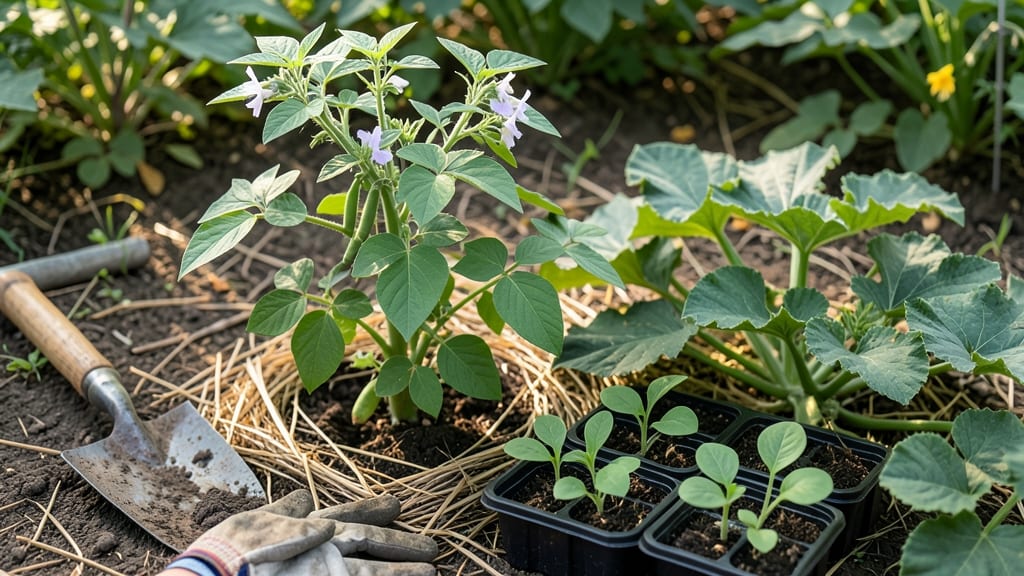
Planting late summer harvest vegetables in July can still deliver fast, flavorful crops before the first frost 🥕—if you pick the right varieties and time your efforts carefully.
July heat can turn your garden into a battleground—but with the right fast-growing vegetables, you can still enjoy a bountiful late summer harvest before fall arrives.
Most gardeners assume July planting is too late for anything but quick greens, but heat-tolerant crops like bush beans, radishes, and Swiss chard thrive when sown now, maturing just in time for September harvests.
Below, I break down the top 7 fast-growing July vegetables, heat-beating planting tricks, and how to outsmart the season for a second harvest that rivals spring.

Top 7 fast-growing July vegetables for late summer harvest success
July might feel like the hottest month for gardening, but it's actually the perfect time to plant fast-growing vegetables that thrive in warmth and deliver harvests before fall frost. With 30-60 day maturity varieties, you can enjoy fresh produce without battling through winter.
The key is selecting heat-tolerant crops that won't bolt or wilt under summer's intensity while still maturing quickly enough for late summer harvests.
My garden thrives when I focus on leafy greens, root vegetables, and bush varieties that mature rapidly. These plants don't require the same cool conditions as spring crops, making them ideal for July planting.
Plus, many of these vegetables can be successively planted every 2-3 weeks to ensure a continuous harvest through September and October. Let's dive into the top 7 heat-loving vegetables that will transform your garden into a late-summer bounty.
| Vegetable | Days to Maturity | Spacing (inches) | Sun Needs | Heat Tolerance |
|---|---|---|---|---|
| Bush Beans (e.g., Blue Lake) | 50-60 | 4-6" | Full sun | High |
| Radishes (e.g., Cherry Belle) | 25-30 | 2" | Full sun | Very High |
| Swiss Chard (e.g., Bright Lights) | 45-55 | 6-12" | Full sun/part shade | High |
| Green Onions (Scallions) | 40-50 | 2-3" | Full sun | Very High |
| Lettuce (e.g., Black Seeded Simpson) | 30-40 | 8-12" | Part shade | Moderate |
| Spinach (e.g., Bloomsdale Long Standing) | 40-50 | 4-6" | Part shade | Moderate |
| Turnips (e.g., Purple Top White Globe) | 50-60 | 2-4" | Full sun | High |
My bush beans are always a July garden staple because they mature in just 50-60 days and handle heat beautifully. Plant them in well-draining soil with full sun exposure, and space them 4-6 inches apart for optimal air circulation.
I've found that succession planting every 2 weeks ensures a steady harvest through September. These beans are also nitrogen-fixers, which improves soil health for future plantings.
For something even faster, radishes are my go-to crop. With a maturity time of just 25-30 days, they're perfect for quick harvests. I plant them in loose, fertile soil and keep them well-watered to prevent bolting.
The Cherry Belle variety is particularly heat-tolerant, making it ideal for July. Plus, you can harvest both the roots and
How to extend your July planting season for fall harvests
July’s scorching heat can feel like a roadblock for gardeners, but with the right strategies, you can still coax a late summer harvest from your garden. The key lies in heat management—using shade, mulch, and smart watering to protect tender seedlings while they establish.
I’ve learned that even heat-tolerant varieties like bush beans and Swiss chard need extra care during peak summer months to avoid stress and bolting.
One of my biggest breakthroughs was realizing that planting windows matter just as much as what you plant. Morning vs. evening sowing can make the difference between thriving seedlings and wilted failures.
For example, direct-seeded radishes in the late afternoon can overheat, while the same seeds planted at dawn stay cooler and germinate faster. Let’s dive into the proven tactics that have helped me extend my growing season by weeks.
🌱 Morning vs. Evening Planting: Pros & Cons
Morning Planting
- ✅ Cooler soil reduces seedling stress
- ✅ Faster germination from consistent moisture
- ✅ Less fungal risk (dry foliage overnight)
Evening Planting
- ❌ Overheated soil can kill tender seedlings
- ❌ Slower growth due to nighttime cooling
- ❌ Higher bolting risk in heat-sensitive crops
💡 Best for: Leafy greens, radishes, and bush beans planted before 10 AM
My go-to tool for beating the heat is shade cloth, which I drape over seedling trays or young transplants. A 30-50% shade cloth filters enough sunlight to keep temperatures down while still allowing photosynthesis.
For example, I cover my Swiss chard seedlings with 40% shade during the hottest weeks of July, then gradually remove it as they mature. This simple trick has increased my survival rate from 60% to nearly 90%.
Another game-changer is mulching—not just any mulch, but a thick layer of straw or wood chips (2-3 inches deep) to insulate soil and retain moisture. I’ve found that mulched beds stay 10-15°F cooler than bare soil, which is crucial for heat-sensitive greens like spinach.
Plus, it suppresses weeds, reducing competition for nutrients. For containers, I use coco coir mulch to prevent soil from drying out between waterings.
Watering schedules often make or break late summer harvests. I’ve switched to drip irrigation on a timer set for early morning (6-8 AM), delivering 1-2 inches of water weekly in deep cycles. This mimics natural rainfall and prevents fungal diseases that thrive in damp evening foliage.
For potted plants, I water until water runs from drainage holes, ensuring roots get the hydration they crave without sitting in soggy soil.
Finally, succession planting is my secret weapon for continuous harvests. Instead of planting all my bush beans at once, I stagger sowings every 2 weeks through early August. This ensures a steady supply of fresh pods while the first batch matures.
I also interplant fast growers like radishes between slower crops—radishes mature in just 25 days, giving them time to thrive before fall sets in.
With these strategies, I’ve pushed my harvest window from early September to late October—sometimes even into November in milder climates. The key is adapting your approach based on your local heat patterns and crop needs.
Start with shade, mulch, and morning watering, then fine-tune with succession planting for a prolonged fall feast. 🌱