
Vegetables
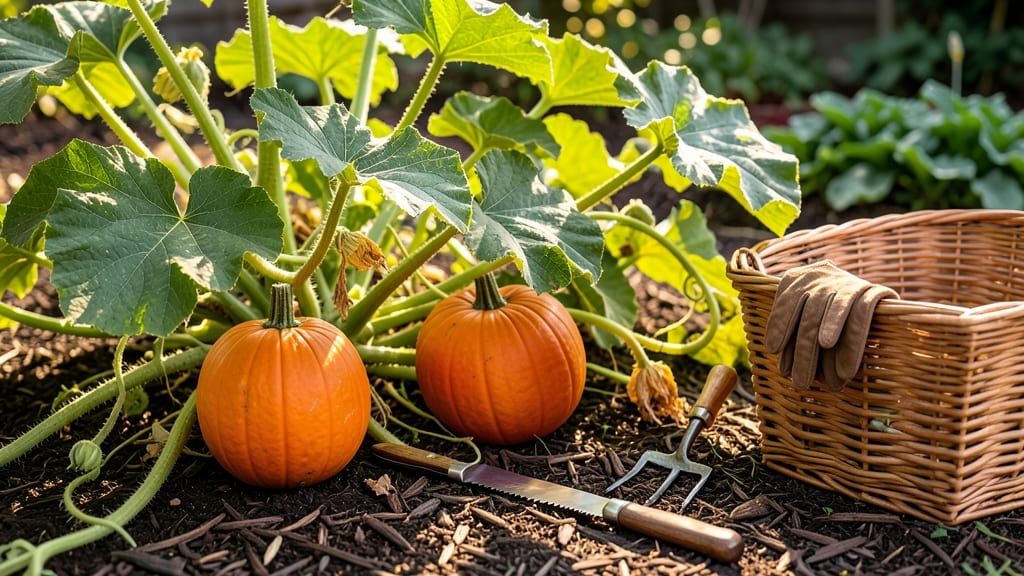
Harvesting pumpkins at the right time ensures sweet, firm flesh and long-lasting storage—whether you're carving them 🎃 or baking into pies.
Picture this: you’ve waited months for your pumpkins to ripen, only to slice into one that’s stringy or mealy. That’s the difference between a perfect harvest and a disappointing one. Timing isn’t just about days after planting; it’s about color, texture, and even the sound when you tap them.
Most pumpkin varieties reach peak harvest between late summer and early fall, but regional frost dates and weather can shift that window. In USDA Zone 6a, for example, the first frost often arrives in mid-October, so you’ll want to pull them before then to avoid damage.
Below, I’ll walk you through the key visual cues—like stem changes and skin dullness—that signal it’s time to pick, plus how to prep them for storage so they last through the holidays.

How to determine the perfect pumpkin harvest time by color, texture & stem
Picking pumpkins at the right moment ensures maximum flavor, texture, and storage life. Overripe pumpkins turn mushy, while underripe ones remain tough and watery. The key lies in observing three critical cues: rind color, stem condition, and tactile tests.
Each clue works together to confirm peak ripeness, so let’s break down what to watch for in your garden.
First, focus on the rind color, which shifts dramatically as pumpkins mature. A shiny, green skin means the pumpkin isn’t ready—it’s still growing. When the rind turns dull and matte, that’s your first sign of readiness.
For orange varieties, this dullness often appears alongside deepening color, while white or green pumpkins will simply lose their glossy sheen. Pay close attention to this change, as it’s one of the most reliable indicators.
Next, examine the stem near the pumpkin. A ripe pumpkin’s stem will feel dry and papery, almost like cardboard, and may even shrink slightly from the fruit. If you gently tug on it, it should pull away easily without resistance.
This drying process signals that the pumpkin has finished drawing nutrients from the vine. Never harvest by cutting the vine—always leave a 2-3 inch stem attached to preserve freshness.
The sound test is a fun, foolproof way to confirm ripeness. Give the pumpkin a firm tap with your knuckles—if it sounds hollow or rattles inside, it’s ready to pick. This “thud” indicates fully developed seeds and thick flesh. Unripe pumpkins will sound dull or solid.
Pro tip: Test a few pumpkins from the same vine, as maturity can vary slightly between fruits.
| Cue | Ready Pumpkin | Not Ready Pumpkin | Action |
|---|---|---|---|
| Rind Color | Dull, matte finish; deep color | Shiny, green, or glossy | Wait 3-5 more days if not dull |
| Stem Condition | Dry, brown, papery; pulls away easily | Green, flexible, or still attached tightly | Harvest only if stem is fully dry |
| Sound Test | Hollow or rattling when tapped | Solid, thud-like sound | Wait until seeds rattle |
| Weight | Feels light for its size (seeds developed) | Feels heavy (watery, underripe) | Avoid harvesting heavy pumpkins |
| Vine Condition | Yellowing, dying back near pumpkin | Still green, actively growing | Harvest before frost kills vine |
Regional variations can slightly alter harvest timing, especially in cooler climates. In USDA Zone 5 or colder, pumpkins often mature 2-3 weeks earlier than in warmer zones like Zone 9.
Always check your last frost date and aim to harvest 10-14 days before frost to avoid rot. For example, if your first frost is October 15th, start harvesting by early October.
Once you’ve confirmed ripeness, use a sharp knife or pruners to cut the stem, leaving a 2-3 inch stump. This small stem helps the pumpkin heal and store longer. Avoid dragging pumpkins—lift them gently to protect the rind.
After harvesting, let them cure in sunlight for 7-10 days to develop their full flavor and toughen their skin for storage.
If you’re growing pumpkins for long-term storage, prioritize varieties like Long Island Cheese or Sugar Pie, which store for 2-3 months in cool, dry conditions.
For immediate use, like carving or baking, smaller varieties like Jack Be Little are perfect and can be harvested as soon as they
Best pumpkin varieties for early vs. late harvesting & their ideal storage lifespan
Choosing the right pumpkin variety can transform your harvest from a short-lived disappointment to a flavorful, long-lasting prize.
Early varieties like Jack Be Little ripen in just 75-85 days, perfect for small gardens or impatient gardeners, while heirloom giants like Long Island Cheese take 100+ days but reward you with dense, sweet flesh.
Your harvest timing directly impacts storage lifespan—some varieties keep for months, while others spoil within weeks.
If you're growing pumpkins for carving jack-o'-lanterns, prioritize early-maturing varieties like Sugar Pie (80 days) for lightweight, easy-to-carve fruit. For culinary use—think pies, soups, or roasted seeds—late-season varieties like Cinderella develop richer flavors as they mature.
Understanding these differences helps you plan your garden layout and harvest strategy for maximum success.
Harvest windows also dictate storage potential. Early varieties often store for 2-4 weeks in cool, dry conditions, while late-season pumpkins can last 2-3 months when cured properly. Below, we compare five top varieties, their ideal harvest times, and how to maximize their shelf life for your gardening goals.
| Variety | Harvest Time (Days) | Best For | Storage Lifespan | Culinary Use |
|---|---|---|---|---|
| Jack Be Little | 75-85 | Carving, small gardens | 2-4 weeks | Roasting, soups |
| Sugar Pie | 80-85 | Baking, pies | 3-5 weeks | Pumpkin puree, bread |
| Long Island Cheese | 100-110 | Long-term storage | 2-3 months | Soups, stews |
| Cinderella | 90-100 | Flavor depth | 3-4 months | Roasting, candied seeds |
| Small Sugar | 85-90 | Container growing | 2-3 weeks | Baking, carving |
For early harvesters, Jack Be Little and Sugar Pie are my top picks—their quick maturation means you can enjoy pumpkins even in shorter growing seasons. Cure them properly by placing them in a warm, dry spot for 7-10 days before storage to extend their lifespan.
These varieties also handle container growing well, making them ideal for balcony gardens or urban plots.
If you're aiming for long-term storage, Long Island Cheese and Cinderella are worth the wait. Their dense, sweet flesh develops fully only after 100 days, and their thick rinds protect them from spoilage.
Store these in a cool (50-55°F), dark place with good airflow—a garage or root cellar works perfectly. Check them monthly for soft spots or mold, and remove any affected pumpkins immediately.
Pro tip: Label your pumpkins at harvest with the variety name and harvest date to track storage performance. This helps you refine future plantings based on what works best for your climate and goals.
Whether you're growing for holiday decorations, culinary creations, or seed saving, matching the right variety to your harvest timeline ensures maximum satisfaction from your pumpkin patch.