
Vegetables
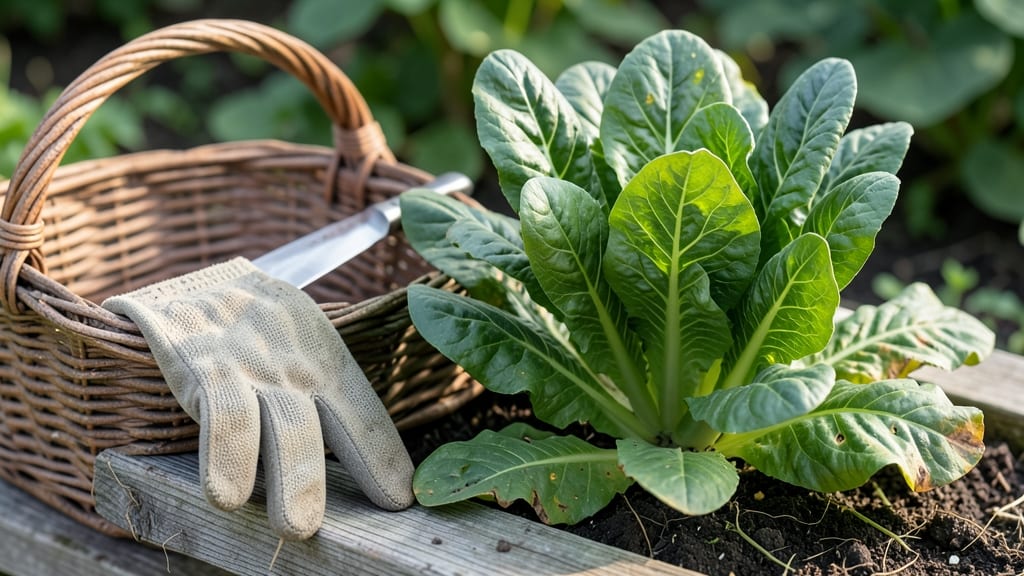
Harvesting romaine lettuce at the right time turns your garden into a crisp, sweet green machine—60 to 75 days after planting is when the magic happens.
Picture this: you’ve nurtured your 🥬 romaine through cool spring mornings, only to reach for a leaf and find it tough, bitter, or worse—bolting into flower stalks. That’s the difference between a restaurant-quality salad and a sad, wilted mess.
Timing isn’t just about days on the calendar—it’s about leaf size, weather, and even the firmness of the head. Too early, and you’re left with pale, floppy greens; too late, and you’re fighting bitterness or bolted stems. The key? Knowing the visual and tactile cues that scream “harvest me now.”
In this guide, I’ll walk you through the exact signs to watch for, the best seasonal windows for your zone, and how to extend your harvest season—so you’re picking crisp, bitter-free romaine for weeks, not days.

Romaine lettuce harvest time: ideal days and seasonal windows
Timing your romaine lettuce harvest correctly transforms your garden from a source of disappointment to a crisp, flavorful feast. The difference between bitter, tough leaves and restaurant-quality greens often comes down to knowing the ideal harvest window and seasonal adjustments for your climate.
Whether you're a first-time gardener or a seasoned green thumb, mastering these details ensures your lettuce stays tender and sweet.
Romaine lettuce typically reaches harvest readiness 60-75 days after planting, but this window can shift based on your growing season and local climate. In cooler regions, you might harvest as early as 45 days, while hotter climates may require waiting up to 80 days to avoid bolting.
Understanding these variations helps you plan for continuous harvests throughout the growing season.
| Harvest Stage | Days After Planting | Seasonal Window | Climate Adjustments |
|---|---|---|---|
| Baby Leaves | 30-40 days | Spring/Fall | Ideal for cooler climates |
| Full-Size Heads | 60-75 days | Late Spring/Early Fall | Wait longer in hot climates |
| Late Harvest | 75-80 days | Fall only | Risk of bitterness in heat |
| Continuous Harvest | Ongoing | Spring to Fall | Harvest outer leaves first |
For spring harvests, aim to plant romaine 4-6 weeks before your last frost date (typically March-April in most regions). This gives your plants enough time to mature before summer heat sets in.
In my Zone 6a garden, I've found that planting in early March yields crisp romaine by late May, just in time for summer salads.
Fall planting requires more precision. Sow seeds 8-10 weeks before your first frost (around August-September) to ensure harvests in October-November. In warmer climates, you might extend this window into early winter, but avoid planting too late—cool nights are essential for sweetness and crispness.
I've learned the hard way that planting romaine in late September here can lead to bitter leaves if temperatures stay above 75°F.
Your local climate plays a huge role in harvest timing. In hot, dry regions, romaine may mature faster but risk bolting (going to seed) if stressed. To combat this, I use shade cloth during peak afternoon heat and increase watering frequency to every other day.
In cooler, wetter climates, lettuce grows slower, so I extend the harvest window by 10-15 days to compensate.
One of my favorite tricks for prolonged harvests is the "cut-and-come-again" method. Instead of harvesting the entire head, snip the outer leaves when they reach 6-8 inches. This encourages the inner leaves to grow larger while keeping your plants productive for 4-6 weeks longer.
I've seen this method extend my harvest season by nearly 30 days in optimal conditions.
Watch for visual maturity cues like deep green color, firm stems, and tightly packed leaves. If you notice the leaves curling or the base turning yellow, it's a sign your romaine is overripe and may develop bitterness.
In my experience, harvesting at the first signs of maturity—when leaves are crisp but still tender—yields the best flavor. This often means harvesting 2-3 days earlier than the maximum recommended days.
Seasonal adjustments are key to success. In spring, focus on cool soil temperatures (below 70°F) for sweetness. In fall, prioritize longer daylight hours to prevent bolting.
I've found that using row covers in early spring can accelerate growth by 5-7 days, giving me an earlier harvest window. Conversely, in late summer, I avoid planting romaine unless I have partial shade to protect it from intense sun.
Remember that harvest timing isn't just about days after planting—it's about plant health, weather patterns, and your garden's microclimate. By paying attention to these factors and adjusting your approach, you'll consistently enjoy crisp, sweet romaine straight from your garden.
The key is patience and observation—your plants will tell you when they're ready if you listen closely. 🥬
How to tell when romaine lettuce is ready for harvest (visual and tactile cues)
Romaine lettuce reaches its peak flavor and texture when harvested at the right moment, but many gardeners struggle to identify the perfect time.
The key lies in observing leaf size, color intensity, and stem firmness—all visual and tactile cues that reveal whether your plants are ready to pick. Unlike loose-leaf varieties, romaine forms a compact head, making these indicators even more critical for success.
Start by checking the outer leaves first, as they mature slightly earlier than the inner core. A deep green color and crisp texture are your best friends here, signaling that the plant has stored enough energy for a flavorful harvest.
If you wait too long, those tender leaves can turn bitter or woody, ruining your homegrown salad game.
⚠️ WARNING: Overlooking these cues can lead to disappointment!
For a truly restaurant-quality harvest, focus on the leaf length and head shape. Mature romaine should form a tight, elongated head with leaves that fan out slightly at the base.
If the head starts to loosen or split, it's past its prime. Pro tip: Harvest in the morning when leaves are cool and crispest—this preserves texture and flavor longer.
Don't forget to check the stem base for signs of bolting (sending up a tall flower stalk). If you see a yellowing base or a hard, woody core, your lettuce has gone past its ideal harvest window.
In this case, harvest immediately to salvage what you can, but expect reduced quality. For continuous harvests, cut outer leaves first and let the inner core keep growing—this extends your harvest season by 2-3 weeks.
Pay attention to the weather conditions too. Romaine lettuce grows best in cool temperatures (60-70°F), so if your area experiences a heatwave, it may bolt prematurely. In such cases, harvest as soon as the head forms, even if it's slightly smaller than ideal.
Conversely, in cooler climates, you can wait until the leaves reach their full size, as growth slows down naturally.
Once you've mastered these visual and tactile cues, you'll consistently harvest crisp, sweet romaine that rivals store-bought quality. Remember: patience and observation are key—check your plants every 2-3 days during the final 10-14 days before expected maturity.
With practice, you'll develop an instinct for the perfect harvest moment, ensuring your garden always delivers the freshest, most flavorful greens.