
Picking
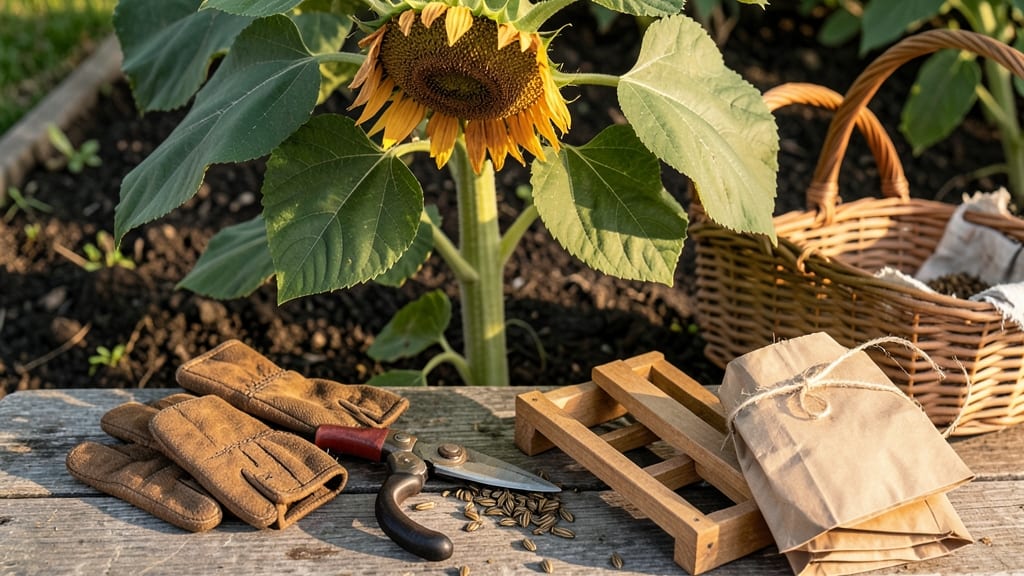
Harvesting sunflowers at the right time means catching that perfect moment when the seed heads shift from golden yellow to deep, rusty brown 🌻—a cue that tells you the seeds are ripe and ready to pick.
Did you know sunflowers signal their perfect harvest time with a dramatic color shift—from vibrant yellow to a deep, rusty brown? Missing this cue could mean losing seeds to birds or premature drying. Here’s how to spot it and harvest at the ideal moment for maximum yield.
Timing matters because sunflowers don’t stay at peak ripeness for long. Too early, and the seeds won’t be fully developed; too late, and they’ll scatter or spoil.
I’ll walk you through the exact visual clues—like the back of the petals turning crispy and the seeds rattling inside the head—so you never miss the window again.
Once you’ve got them down, I’ll share how to store your harvest for planting next year or turn those seeds into snacks, crafts, or even bird feed. Let’s make sure your hard work pays off with a bountiful, bird-proof harvest!

How to identify sunflower harvest time by seed head color changes
Sunflowers give you a clear visual cue when it's time to harvest: their seed heads transform from bright yellow to deep brown. This color shift signals that the seeds inside are fully mature and ready for picking.
Missing this change can mean losing seeds to birds or ending up with dried-out, unusable blooms. Understanding these color variations by variety and how environmental factors like drought or humidity affect ripening will help you harvest at the perfect moment.
Not all sunflower varieties follow the same timeline or color cues. Giant varieties like 'Mammoth' or 'Russian Giant' may take longer to mature, while smaller types such as 'Teddy Bear' or 'Sunspot' ripen faster. Even within the same variety, environmental conditions can alter the color shift.
For example, excessive humidity might delay the drying process, while drought can speed it up. Pay close attention to these details to avoid harvesting too early or too late.
Here’s how to recognize the key color changes that indicate harvest time, along with how different varieties and conditions can affect the process:
| Stage | Seed Head Color | Seed Condition | Harvest Readiness | Notes |
|---|---|---|---|---|
| Early Bloom | Bright yellow petals | Soft, green seeds | Not ready | Petals fully open; seeds still developing |
| Mid-Ripening | Petals turning brown at edges | Seeds firming up, light brown | Nearly ready | Watch for seed rattling; petals may start dropping |
| Peak Harvest | Deep brown, papery petals | Dark brown, firm seeds | Ready to harvest | Seeds rattle loudly when shaken; head feels heavy |
| Overripe | Dry, brittle petals | Seeds may split or scatter | Too late | Seeds lose viability; risk of bird damage increases |
🌻 Variety-Specific Notes:
- 'Russian Giant': Takes 100-120 days to mature; color shift is slower due to larger seed heads.
- 'Teddy Bear': Matures in 60-70 days; petals turn brown faster but seeds ripen evenly.
- 'Autumn Beauty': Color shift varies; monitor seed rattling over petal color.
To confirm harvest readiness, shake the seed head gently—if seeds rattle loudly inside, they’re ready. For varieties like 'Autumn Beauty', which have striped petals, focus on the center disk turning brown rather than the petals.
If you’re growing sunflowers in humid climates, the drying process may take longer, so monitor the seed heads closely.
Environmental factors like drought or excessive heat can accelerate the color shift, while prolonged rain or humidity may delay it. In drought conditions, sunflowers might ripen faster, so check seed heads every 2-3 days during dry spells.
Conversely, in humid areas, you may need to wait 5-7 days longer than usual after the petals turn brown before harvesting.
If you’re unsure whether your sunflowers are ready, cut one head and check the seeds. Split open a seed pod—if the seeds are dark brown and firm, it’s time to harvest.
If they’re still light-colored or soft, wait another 3-5 days. This hands-on approach ensures you don’t miss the optimal harvest window for maximum seed yield.
For conservation varieties like 'ProCut', which are bred for easy harvesting, the color shift is more pronounced and occurs 2-3 days earlier than traditional varieties. Always adjust your harvesting timeline based on the
Best practices for harvesting sunflower seeds at peak ripeness
Once you’ve spotted the rusty brown color shift in your sunflower seed heads, timing your harvest correctly ensures high-quality seeds that store well for next season. The key lies in cutting stems properly and drying seeds efficiently to prevent mold or sprouting.
I’ve learned that even a 1-day delay can mean the difference between viable seeds and bird snacks!
Gather your tools first: a sharp pruning shears, a clean bucket, and a drying rack or paper towels. You’ll also want breathable bags for long-term storage.
Skipping any of these can lead to seed loss or contamination. I always double-check my supplies the night before to avoid last-minute scrambles.
⚠️ CRITICAL HARVEST MISTAKE: Waiting too long after the color shift ⚠️
Cut stems 3-4 inches below the seed head using clean shears to prevent disease spread. Hang heads upside down in a dry, dark space with good airflow—like a garage or shed. I use clothespins on a string to keep them suspended. Avoid direct sunlight, which can overheat seeds and reduce germination rates.
Drying takes 1-2 weeks depending on humidity. Test readiness by squeezing a seed—if it’s hard and dark brown, it’s dry. If it’s still soft, extend drying time. I’ve ruined batches by rushing this step, so patience pays off!
Once fully dry, rub seeds between fingers to remove chaff, then store in paper envelopes in a cool, dark place.
Common mistakes include using plastic bags (traps moisture), storing seeds in the fridge (causes condensation), or skipping the drying process. I learned the hard way when my 2021 batch sprouted prematurely because I stored them too damp.
Label your seeds with the harvest year to track viability—most stay good for 2-3 years if stored correctly.
Pro tip: Save a few seeds to plant next spring for a fresh crop. The rest can be roasted for snacks or shared with fellow gardeners. Just remember—harvesting at peak ripeness is the secret to healthy seeds and happy birds (who get the leftovers!). 🌻