
Vegetables
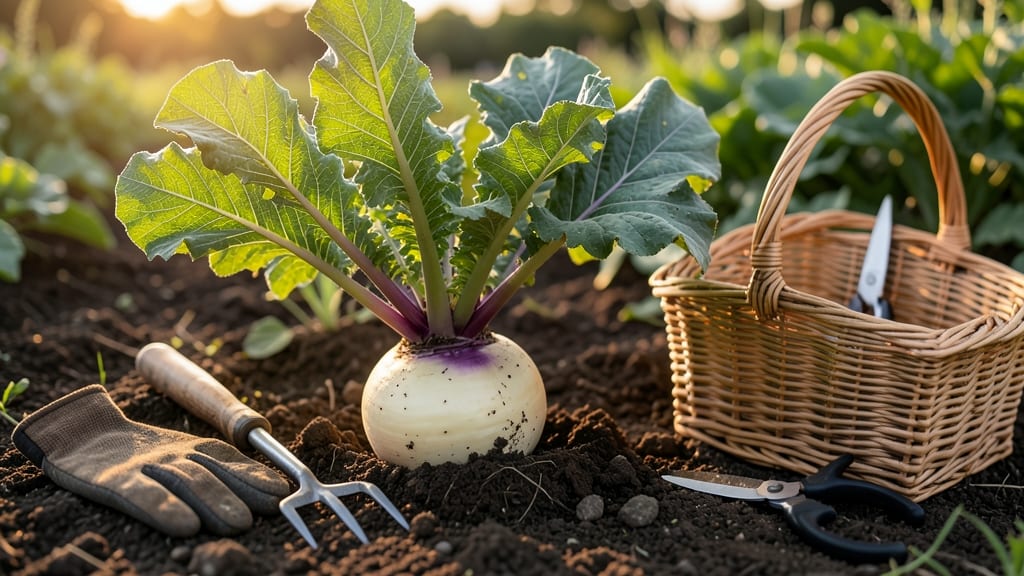
Harvesting turnips at the right time means the difference between a crisp, sweet root and a tough, bitter one — and missing that window can turn your garden’s best efforts into disappointment.
Turnips are a gardener’s secret weapon 🥬, packed with nutrients and versatility, but timing their harvest wrong can leave you with roots that are woody or pungent. Whether you’re growing them in spring or fall, knowing when to pull them is the key to enjoying their mild, tender flavor.
In general, turnips are ready to harvest about 50 days after planting, when the roots reach 2-3 inches in diameter and the leaves start showing slight yellowing.
But climate, variety, and even soil conditions can shift that timeline, so I’ll walk you through the signs to watch for and how to adjust for your growing zone.
Once you’ve mastered the harvest, I’ll share how to store and use your turnips to keep them fresh and flavorful for weeks — because a perfect root is only the beginning of the reward.

Optimal turnip harvest time by variety and season
Turnips thrive in cool weather, but their harvest timing varies by variety and season. Planting in spring or fall gives you two chances to enjoy their crisp, sweet flavor—if you know when to pull them.
Miss the window, and you’ll end up with tough, bitter roots instead of tender bulbs.
Different turnip varieties mature at different rates, so understanding their specific harvest windows is key. For example, white globe turnips like 'Purple Top White Globe' typically reach harvest in 45-60 days, while Japanese turnips like 'Hakurei' mature faster, in just 30-40 days.
Seasonal shifts also play a role—spring turnips need cooler temps, while fall varieties tolerate mild frosts.
| Variety | Days to Maturity | Best Harvest Season | Root Size at Harvest | Climate Notes |
|---|---|---|---|---|
| White Globe (e.g., 'Purple Top White Globe') | 45-60 days | Spring (April-May) or Fall (Oct-Nov) | 2-3 inches diameter | Cool temps; avoid heat |
| Japanese (e.g., 'Hakurei') | 30-40 days | Spring (March-April) or Fall (Sept-Oct) | 1-2 inches diameter | Fast-growing; tolerates light frost |
| Yellow Turnip (e.g., 'Golden Ball') | 50-65 days | Spring (April-May) only | 3 inches diameter | Needs consistent moisture |
| Purple Top (e.g., 'Tokyo Cross') | 35-50 days | Spring (March-April) or Fall (Sept-Oct) | 1.5-2.5 inches diameter | Heat-sensitive; harvest early |
| Shredded (e.g., 'Tokyo Cross') | 30-45 days | Spring (March-April) or Fall (Sept-Oct) | Small, leafy roots | Harvest young for tender greens |
In USDA Zone 6a, like much of the Midwest, spring-planted turnips should be harvested between April and May when soil temps stay below 70°F. Fall turnips, sown in August-September, mature by October-November before early frosts.
If you’re in a warmer zone (like Zone 8), extend your fall harvest into December by choosing heat-tolerant varieties like 'Purple Top White Globe'.
For spring harvests, aim to pull turnips when they’re 2-3 inches wide and the leaves show slight yellowing at the edges. This signals peak sweetness before the roots toughen.
In fall, watch for leaf bolting (flower stalks) as a sign to harvest quickly—turnips left too long develop woody textures and bitter flavors.
Your local climate dictates the best season. In cool coastal areas (e.g., Pacific Northwest), you can grow turnips year-round, while hot southern climates (e.g., Zone 9) limit you to fall/winter plantings.
Always check your last frost date—planting too early in spring or too late in fall risks bolting or poor root development.
Pro tip: Thin seedlings to 3-4 inches apart when they’re 2 inches tall. This prevents overcrowding, which stresses plants and delays maturity. Overcrowded turnips compete for nutrients, leading to smaller, less flavorful bulbs. Space them properly, and you’ll enjoy a consistent harvest window without gaps.
If you’re growing turnips for their greens (not roots), harvest the outer leaves when they’re 6-8 inches tall, leaving the center to keep producing. This extends your harvest season by 2-3 weeks compared to root-only harvesting.
Just avoid cutting more than 1/3 of the foliage at once to avoid shocking the plant.
For storage longevity, harvest turnips when roots are firm but still tender. Store them in a cool, dark place (like a root cellar) for up to 3 months. If you’re in a warm climate, refrigerate them in humidity-controlled crisper drawers to prevent spoilage.
Proper timing at harvest ensures your turnips stay crisp and flavorful long after pulling them from the soil.
Don’t let turnips bolt—this happens when days get long (14+ hours of light) or temps rise above 75°F. If you see flower stalks, harvest immediately or pull the entire plant.
Bolted turnips lose their sweetness and become fibrous. For extended harvests, use shade cloth in summer or opt for heat-tolerant varieties like 'Purple Top White Globe'.
Remember: Turnip flavor peaks at harvest. The longer you wait, the tougher and more bitter they become. With the right variety, timing, and care, you’ll enjoy a bounty of crisp, sweet turnips
Signs your turnips are ready to pull (before they get bitter)
Harvesting turnips at the right time transforms your garden into a treasure trove of crisp, sweet roots. But wait too long, and those tender bulbs turn tough and bitter—like leaving a perfectly ripe pear on the tree until it’s overripe.
The key is catching them at peak maturity, when they’re 2-3 inches wide and still packed with flavor.
Start by checking the leaf size—when the outer leaves reach about 6-8 inches tall and begin showing slight yellowing, it’s a clear signal. This happens naturally as the plant redirects energy to the root.
Ignoring these signs can lead to overmature turnips that develop woody textures and strong flavors, making them less enjoyable in salads or roasted dishes.
🥬 Perfect Turnip Harvest Checklist
- Root Size: 2-3 inches in diameter
- Leaf Color: Slight yellowing on outer leaves
- Skin Texture: Smooth and firm (not fibrous)
- Ease of Pull: Gently tugs free from soil
💡 Pro Tip: Harvest in the morning after dew dries for crispest roots!
Don’t rely solely on days since planting—turnips mature at different rates depending on variety and climate. For example, Japanese turnips may be ready in 30-40 days, while white globe varieties take closer to 50-60 days.
Always dig up one root to check its size and texture before pulling the whole batch. This simple test saves you from harvesting too early (underdeveloped) or too late (bitter).
Another foolproof method is the flavor test. Cut a small slice from a candidate turnip and taste it raw. The best harvests deliver a mild, slightly peppery flavor with a crisp bite.
If it tastes bitter or overly earthy, it’s past its prime. This test works especially well for purple-top turnips, which can develop stronger flavors if left too long in the ground.
Once you’ve confirmed readiness, pull turnips gently but firmly to avoid damaging the roots. Use a fork or your hands to loosen the soil first—this prevents bruising, which shortens storage life.
After harvesting, trim the greens and store the roots in a cool, dark place (like a root cellar or refrigerator) for up to 2 weeks. The greens, by the way, are edible too and can be used like spinach!
Remember, turnips won’t improve after harvest—they’re a use-it-now crop. If you’re unsure, err on the side of harvesting early. Smaller turnips (1-2 inches) are still delicious and perfect for quick-cooking methods like stir-fries.
The goal is to enjoy them at their sweetest and crispiest, not when they’ve turned into garden rejects.