
Vegetables
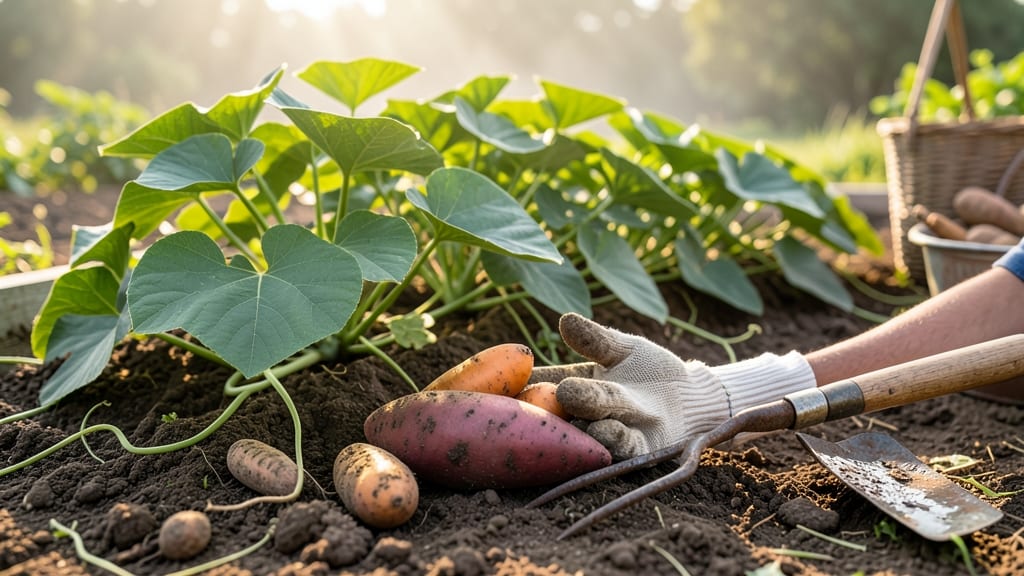
Picture this: your 🍠 vines are turning yellow and crisping at the edges, while the soil stays warm enough to keep the tubers growing. Miss this cue, and frost can turn your harvest into a mushy mess.
But get it right, and you’ll pull out sweet, firm potatoes that store beautifully all winter.
Most temperate regions—like USDA Zone 6a—see their best harvests between late September and early October, but Southern growers might wait until November. The key is watching for those yellowing leaves and firm skin, not just guessing by the calendar.
Below, I’ll walk you through the exact signs to look for, how to adjust for early frost, and the one trick to salvage tubers if winter arrives too soon. No more wasted crops—just perfect timing every time.

Sweet potato harvest months by USDA climate Zones
Harvesting sweet potatoes at the right time ensures maximum flavor and sweetness. Since they thrive in warm weather, timing depends entirely on your USDA climate zone. In cooler zones, you'll need to harvest before the first frost, while warmer regions offer a longer window.
Let's break down the ideal harvest months for each zone to help you plan your garden calendar.
Sweet potatoes typically take 90-140 days to mature, so your harvest window will shift based on when you planted. Most gardeners aim to harvest between late September and October, but this varies by region.
For example, in Zone 3, you might need to rush your harvest by early September, while Zone 11 gardeners can enjoy a late fall harvest.
Here’s a quick reference to help you determine the best time to harvest sweet potatoes in your area:
| USDA Zone | Frost-Free Days | Ideal Harvest Month | Key Notes |
|---|---|---|---|
| Zone 3-4 | 90-120 days | Early to mid-September | Harvest before first frost; use black plastic mulch to extend season. |
| Zone 5-6 | 120-150 days | Late September to early October | Watch for vine yellowing; frost can damage tubers in soil. |
| Zone 7-8 | 150-180 days | October to early November | Longer growing season allows for later harvests. |
| Zone 9-10 | 180-210 days | November to December | Warmer climates allow for extended harvests; monitor soil temps. |
| Zone 11 | Year-round | December to February | No frost risk; harvest when vines yellow naturally. |
In Zones 3-4, where frost arrives early, sweet potatoes must be harvested by mid-September at the latest. If you live in these areas, consider using black plastic mulch to warm the soil and extend your growing season.
This trick can add 2-3 weeks to your harvest window, giving you more time to enjoy sweet, flavorful tubers.
For gardeners in Zones 5-6, late September to early October is prime harvest time. Look for yellowing vines and firm skin as signs of readiness.
If frost threatens before your plants are ready, you can kill the vines with a light frost to concentrate the plant’s energy into the tubers, making them sweeter.
In warmer Zones 7-10, you have more flexibility. These regions often experience frost-free winters, allowing harvests into November or even December. However, even in these zones, avoid harvesting after the first hard frost, as it can damage the tubers.
Instead, focus on soil temperature—wait until it drops below 50°F (10°C) to trigger natural sweetening.
If you're in Zone 11, you’re in luck! Sweet potatoes can be harvested year-round, with peak flavor typically occurring in winter months. Since frost is never a concern, you can simply wait for the vines to yellow naturally.
This makes sweet potatoes a reliable winter crop in tropical climates.
Regardless of your zone, always check for firm, well-formed tubers before digging. Use a garden fork to gently loosen the soil and avoid puncturing the sweet potatoes. Once harvested, cure them in a warm, humid space for 10 days to enhance sweetness and storage life.
Pro tip: If you notice green spots on your sweet potatoes, they’ve been exposed to sunlight. Cut these off before storing, as they can be bitter. Store your cured sweet potatoes in a cool, dark place for up to 6 months.
How to tell when sweet potatoes are ready to harvest
Harvesting sweet potatoes at the right time ensures maximum sweetness and optimal storage life. Unlike regular potatoes, these tubers don't improve after harvest—so timing matters! The key is watching for visual cues combined with soil temperature thresholds to avoid underripe or overripe tubers.
I’ll walk you through the exact signs to look for, so you never miss the perfect moment.
First, understand that sweet potatoes need 90–140 days to mature, depending on the variety. Most gardeners in USDA Zones 7–10 harvest between late September and October, while those in cooler zones (like Zone 5) may need to rush harvesting before the first frost.
The soil temperature should also be above 55°F (13°C)—cold soil makes tubers prone to disease and rot.
- 🟡 Vine Dieback: Leaves turn yellow or brown and begin to withdraw—a natural sign the plant is redirecting energy to the tubers.
- ✅ Skin Firmness: Press a tuber gently—if the skin resists your thumbnail (doesn’t dent easily), it’s ready. Soft skin means more cooking time is needed.
- 🍠 Aroma Test: Cut open a tuber—if it smells sweet and earthy, it’s prime. A starchy or bland smell means it’s underripe.
- 🌡️ Soil Temp Check: Soil should stay above 55°F (13°C) for 2–3 weeks post-harvest to cure properly. Use a soil thermometer if unsure.
- ⏰ Frost Deadline: If frost is forecast within 2 weeks, harvest immediately—even if tubers aren’t fully mature. Frost kills vines but won’t harm tubers in the ground.
Don’t rely solely on the calendar—leaf color is your best early warning system. When 50–70% of vines yellow and die back, it’s time to dig. I’ve seen gardeners miss this cue by focusing on days-to-maturity charts, only to harvest tubers that were still starchy and lacked sweetness.
Pro tip: Mark your plants when you notice the first yellow leaves to track progress.
Another critical factor is tuber size. Aim for tubers that are 6–8 inches long—smaller ones are underdeveloped, while oversized tubers may have woody centers. To test readiness, gently brush away 2–3 inches of soil around the base of the plant.
If you spot plump, firm tubers with a rough skin texture, they’re ready. Avoid harvesting in wet soil, as moisture can damage the skin and invite rot.
If you’re in a shorter growing season (like Zones 3–5), consider harvesting a few tubers early for immediate use, then let the remaining plants mature. This staggered approach extends your harvest window and reduces waste.
Just remember: Sweet potatoes don’t store well if harvested too early, so prioritize full maturity when possible. For storage, cure tubers in a warm (80–85°F), humid (80–90%) space for 5–10 days before storing in a cool (55–60°F), dry environment.
Finally, watch for pests or diseases that might force an early harvest. Signs like wilting leaves, chewed vines, or blackened stems mean it’s time to dig, even if the tubers aren’t fully ripe.
In my garden, squash vine borers once ruined a batch of sweet potatoes by killing the vines prematurely—so always inspect plants weekly. With these cues in mind, you’ll never second-guess whether your sweet potatoes are ready for harvest!