
Picking
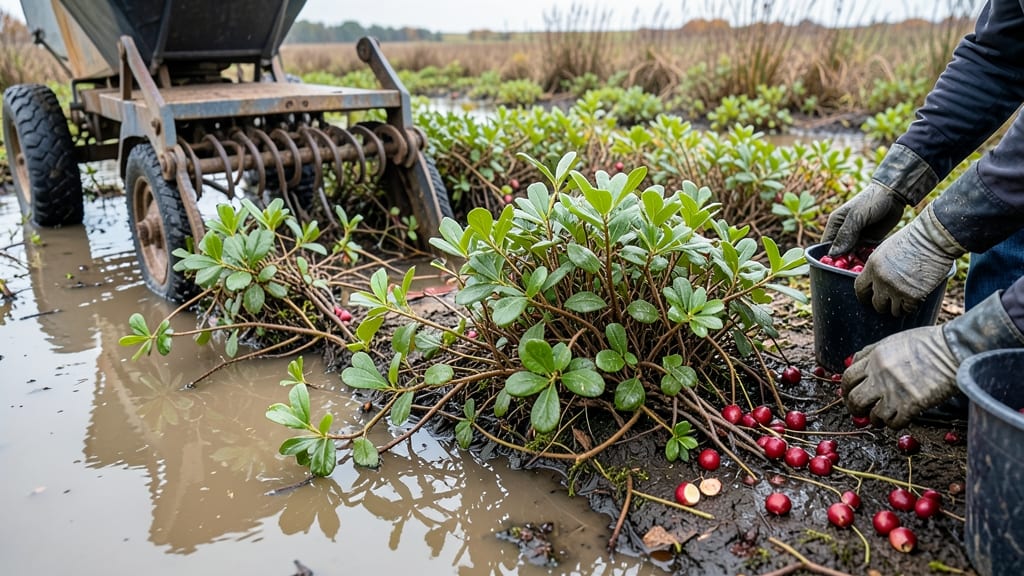
They harvest cranberries 🫐 in the fall—typically between September and November, when the berries turn deep red and are ready to bounce.
Picture this: a crisp autumn morning, the air tingling with the first hint of frost, and your cranberry bushes bursting with color. But timing is everything—pick too early, and the berries won’t ripen fully; wait too long, and they’ll shrivel or freeze.
The secret lies in a mix of color, weather, and a little trick called the "bounce test."
Most home gardeners in USDA Zones 2-7 will find their cranberries ready by late October, but commercial growers often wait for a light frost to sweeten the fruit.
Whether you’re harvesting a handful for baking or a full bog’s worth, knowing these cues ensures you get the best flavor and texture.
Below, I’ll break down the exact signs to watch for—from color changes to the telltale float test—and share tips to extend your harvest’s freshness once you’ve picked them. No more guesswork, just perfect cranberries every time.

Cranberry harvest timing by color and weather conditions
Harvesting cranberries at the right moment transforms tart green berries into the sweet-tart jewels we love. The perfect harvest window depends on two key factors: berry color and weather conditions. Unlike many fruits, cranberries ripen after being picked, so timing is everything for flavor and sugar content.
In my USDA Zone 6a garden, I’ve learned that patience—and a little frost—makes all the difference.
Cranberries start green and gradually deepen to bright red, then finally to a deep ruby hue when fully ripe. However, color alone isn’t enough. The berries must also float in water (a trick I use every year) and pass the bounce test.
This combination ensures peak sweetness and texture. Regional differences also play a role—New England bogs often harvest earlier than Pacific Northwest gardens due to cooler climates.
| Region | Harvest Month | Color Indicator | Weather Trigger |
|---|---|---|---|
| New England | Late September–October | Deep red, uniform clusters | First light frost (28–32°F) |
| Wisconsin | October–November | Ruby red, glossy sheen | Frost-free nights, dry mornings |
| Pacific Northwest | November–December | Deep burgundy, firm texture | Cool, damp conditions |
In New England, where I grow my cranberries, the harvest typically begins in late September and peaks in October. The berries must reach a deep red color and develop a slight softness when squeezed.
A light frost (around 28–32°F) signals the ideal time to harvest, as it converts starches to sugars, enhancing sweetness. I always check for frost damage on leaves—if the edges are brown, the berries are ready.
Wisconsin’s cooler climate pushes harvests later, often into November. Here, dry mornings are crucial—the berries must be glossy and firm to avoid splitting. I’ve found that overcast days with 50–60% humidity are perfect for picking, as they prevent the berries from drying out too quickly.
In my container gardens, I use a harvesting rake to gently lift berries without damaging the plants.
Out West, the Pacific Northwest’s later harvest (November–December) benefits from cooler, damp conditions. The berries develop a burgundy hue and a firmer texture due to prolonged exposure to mild temperatures.
I’ve noticed that rainy harvests can dilute sugar content, so I wait for dry spells to ensure the best flavor. For home gardeners, this means planning ahead—container-grown cranberries may need extra protection from late-season rains.
The science behind cranberry ripening is fascinating. As temperatures drop, the berries convert starches into sugars, making them sweeter. A light frost acts as a natural trigger, but heavy frost can damage the plants.
I always harvest before dawn when berries are cool and firm, then store them in the fridge to slow sugar conversion until I’m ready to use them.
One common mistake I see is picking cranberries too early—just because they’re red doesn’t mean they’re ripe. Green or partially red berries won’t float in water and taste harshly tart. On the flip side, waiting too long can lead to overripe, mushy berries that split easily.
The bounce test is my go-to method: drop a berry from 12 inches—if it bounces 1–2 inches and doesn’t dent, it’s perfect.
For home gardeners, timing your harvest correctly can mean the difference between wasted effort and a bountiful crop. Keep an eye on the color, weather, and bounce, and don’t hesitate to test a few berries before committing.
With the right approach, you’ll enjoy homegrown cranberries that rival store-bought—and taste even better.
The cranberry bounce test: how to check ripeness before picking
Harvesting cranberries at the perfect moment ensures peak flavor and optimal storage life. The cranberry bounce test is a foolproof method to determine ripeness without guessing. This simple technique combines visual cues with a gentle touch to avoid mistakes like picking berries too early or too late.
Whether you're harvesting from a backyard bog or a commercial field, mastering this test will save you time and frustration.
The bounce test relies on two key factors: berry color and firmness. When cranberries are ripe, they turn a deep, glossy red hue and have just the right amount of softness.
Unripe berries are green or only partially colored, while overripe ones may appear wrinkled or mushy. Understanding these signs will help you time your harvest perfectly for the best results.
⚠️ callout-warning
Cranberries are typically harvested in late September to November, but timing depends on your region. In colder climates like Wisconsin or New England, a light frost can actually improve sugar content. However, never harvest after a hard freeze, as it ruins the berries' texture and flavor. Plan your picking for 5–7 days before the first hard frost for ideal ripeness.
To perform the bounce test, gently drop a berry from about 12 inches high onto a flat surface like a wooden board or your gloved hand. A ripe cranberry will bounce slightly and then flatten—almost like a mini trampoline.
If it bounces high or stays firm, it’s not ready. If it squashes easily, it’s overripe. Pair this test with a visual check: ripe berries should have a uniform deep red color and a slight sheen.
Using the right tools makes harvesting easier and more efficient. A harvesting rake with wide, flexible teeth is ideal for gently combing berries off vines without damaging them. For smaller patches, wear gloves to protect your hands while picking.
Always harvest on a dry day to prevent berries from bruising or splitting, which can lead to spoilage.
Common mistakes include picking berries based solely on color or ignoring the bounce test. Some gardeners assume all red berries are ripe, but stem color matters too—a ripe cranberry will have a light brown stem.
Others wait too long, leading to overripe berries that spoil quickly. To avoid these pitfalls, combine the bounce test with a floating test: ripe cranberries float in water due to their air pockets.
Once you’ve mastered the bounce test, you’ll know exactly when to harvest for the sweetest, juiciest cranberries. Store them in the fridge for up to 2 weeks or freeze them for longer-term use.
With practice, you’ll develop an instinct for the perfect moment—turning your cranberry harvest into a rewarding experience every fall.