
Picking
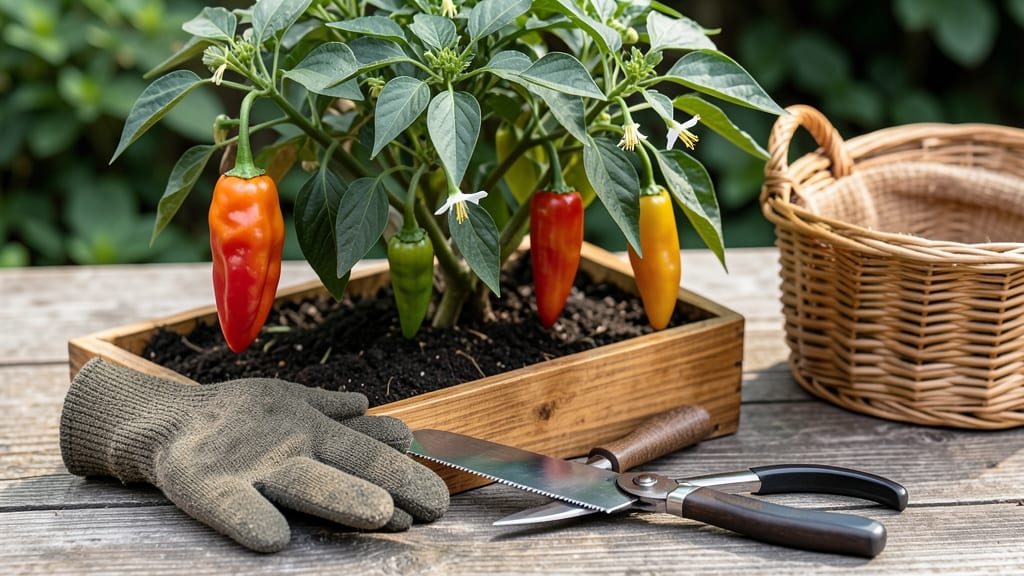
Harvesting ghost peppers at the right time unlocks their signature fiery heat 🌶️ — and missing the window means losing that bold flavor entirely.
Picture this: You’ve nurtured your Ghost Pepper plants all season, but if you pick too early, you’re left with mild, underripe peppers. Too late, and the heat fades while the texture turns mushy. The key? Knowing the exact visual cues that signal peak ripeness.
In this guide, I’ll walk you through the three telltale signs—color, size, and firmness—that confirm your ghost peppers are ready for harvest, plus how to preserve that heat long after the season ends.
Whether you’re a first-time grower or a seasoned chili enthusiast, these tips will help you time your harvest perfectly for maximum spice and flavor.

3 Visual cues to harvest ghost peppers at peak heat
Harvesting ghost peppers at the right moment isn’t just about waiting for them to ripen—it’s about capturing that explosive heat that makes them legendary. These peppers can reach 855,000 Scoville units when perfectly mature, but timing matters.
Miss the window, and you risk duller flavor or even bitter undertones. The key lies in watching for three visual maturity cues that signal peak spice potential.
First, let’s clarify what you’re aiming for: ghost peppers hit their maximum heat when fully mature, not when they’re still green or partially colored. Unlike milder peppers, these need time to develop their signature bright red, white, or yellow hues.
Each color variation corresponds to a different heat profile, so knowing when to harvest ensures you’re getting the spiciest possible yield.
Color Shift to Deep Red, White, or Yellow
Ghost peppers start green but transition to vibrant red, white, or yellow when ready. Red varieties hit 855,000 SHU, while white/yellow can reach 1,041,427 SHU. Wait until 100% color change—any green patches mean lower heat potential.
Firm but Slightly Soft Texture
Gently squeeze the pepper—it should feel firm but yield slightly, like a ripe tomato. If it’s rock-hard, it’s underripe (500,000 SHU or less). If it’s mushy or wrinkled, it’s overripe and may lose heat intensity.
Size: 2–4 Inches Long with Glossy Skin
Peppers should measure 2–4 inches long and have a slightly glossy finish. Smaller peppers (under 2 inches) are underdeveloped (often 300,000–500,000 SHU). Oversized peppers may split or lose heat.
Pay close attention to the color transition, as this is your most reliable indicator. Ghost peppers start green but gradually deepen into their mature hues.
For red varieties, aim for a uniform bright red—no green streaks. White or yellow ghost peppers should be fully opaque with no green remnants. This color shift isn’t just about looks; it’s a chemical signal that the capsaicin production has peaked.
The texture test is where many gardeners go wrong. A pepper that’s too hard likely hasn’t developed its full heat potential. Think of it like a ripe avocado—it should yield slightly when pressed but not feel mushy.
Overripe peppers, on the other hand, may wrinkle or shrivel, which can dilute their Scoville rating by up to 30%. If you’re unsure, harvest a few at different stages to compare the heat difference.
Size matters more than you might think. Ghost peppers 2–4 inches long are at their spiciest because they’ve had enough time to accumulate capsaicin. Smaller peppers are often underripe, while larger ones may split or lose flavor.
Look for a smooth, glossy skin—this indicates the pepper has reached its optimal moisture balance, which is crucial for heat retention.
Pro tip: Harvest in the morning when temperatures are cooler. This helps preserve capsaicin levels and makes the peppers easier to handle. Use a sharp pair of pruning shears or your fingers to twist the pepper off the stem—avoid pulling, as this can damage the plant and reduce future yields.
If the stem snaps cleanly, that’s another sign of peak ripeness.
One common mistake is assuming all ghost peppers ripen at the same time. Some varieties may lag behind others by 1–2 weeks, so check your plants weekly once they start changing color.
If you’re growing multiple plants, label them by variety to track their individual progress. This attention to detail ensures you’re always harvesting at the absolute peak of heat and flavor.
Remember, the earlier you harvest, the milder the pepper will be. Green ghost peppers can test as low as 10,000–50,000 SHU, which is barely noticeable compared to their mature 855,000+ SHU potential.
Patience is key—waiting for the full color change, ideal texture, and correct size guarantees a harvest that’s as spicy as it is rewarding.
Once you’ve mastered these cues, you’ll never settle for anything less than maximum heat again. Your ghost peppers will thank you with a fiery harvest that puts even the boldest chefs to the test. Happy harvesting! 🌶️🔥
Ghost pepper harvesting mistakes that kill heat potential
Harvesting ghost peppers at the wrong time can turn your fiery reward into a bland disappointment. The heat potential—measured in Scoville units—peaks when peppers reach full maturity, but many gardeners miss this window by focusing on size alone.
Even a few days too early can mean losing up to 30% of capsaicin, the compound that delivers that signature burn.
One of the biggest mistakes is assuming green peppers are safe to pick. While they’re edible, their heat levels are only a fraction of what they’ll become.
I’ve seen gardeners harvest ghost peppers when they’re half-green, half-red, thinking they’re close enough—only to end up with peppers that barely measure 50,000 Scoville units instead of the expected 800,000+.
Another critical error is waiting too long until the peppers become overripe. Overripe ghost peppers don’t just lose heat—they develop a bitter, woody texture and can even split open, making them unusable. The skin also becomes leathery, which is a clear sign you’ve missed your window.
⚠️ When NOT to Harvest Ghost Peppers
- Too Early: Green or partially colored peppers (🟢🔴) lack full heat potential.
- Too Late: Peppers that are wrinkled, leathery, or split have lost flavor and heat.
- Incorrect Texture: Hard peppers (🔒) are underripe; mushy peppers are overripe.
Harvesting at these stages destroys capsaicin development, leaving you with peppers that are mild and flavorless.
Even the stem attachment can give you clues. If the stem doesn’t snap cleanly when twisted, the pepper isn’t ready. I’ve learned to test stems daily during peak harvest season—this small habit saves me from wasted peppers every year.
A clean snap means the pepper is fully mature and ready for picking.
Environmental factors also play a role. Cooler temperatures can slow ripening, while hot, dry conditions might cause peppers to ripen too quickly. If your ghost peppers are turning color but not reaching full size, check your watering schedule—consistent moisture is key to even ripening and balanced heat development.
Finally, don’t assume all ghost peppers ripen at the same time. Some varieties, like the Bhut Jolokia, may take 120-150 days to reach peak heat, while others mature faster.
Keep a harvest journal to track individual plants—this helps you predict ripening patterns and avoid missing the window on any pepper.