
Pests and Diseases
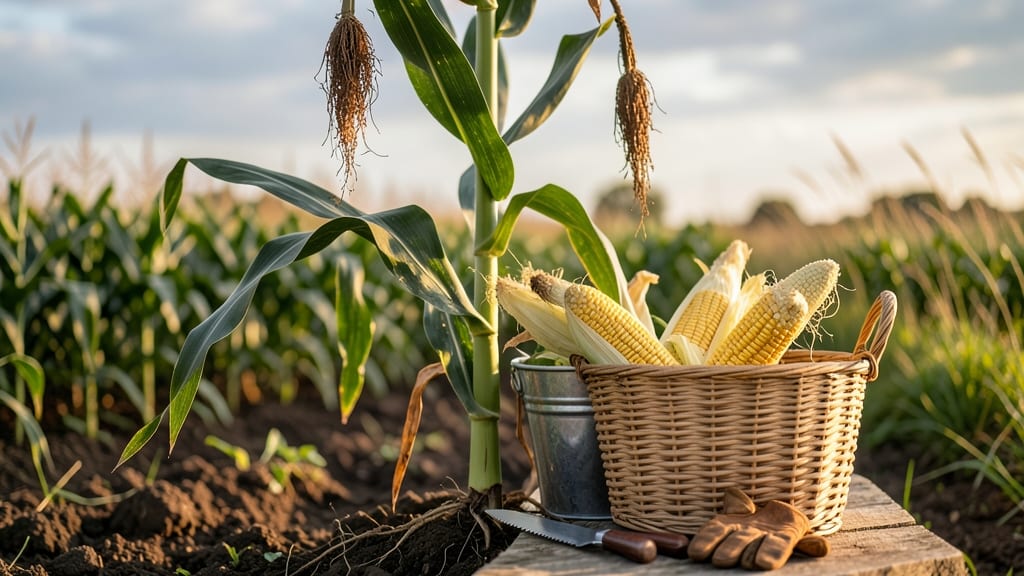
Harvest time for corn arrives when silks turn brown and kernels reach the milky stage—a window that lasts just 2-3 days before sweetness fades.
Picture this: you’ve waited months for those towering 🌽 stalks to produce ears, only to wonder, "Did I miss it?" too late. The good news? With a few simple checks—kernel color, silk dryness, and even a fingernail test—you’ll never second-guess the perfect moment again.
Regional weather plays a role, too. In Zone 6a, where frost can sneak up by October, timing matters even more. But whether you’re in the Midwest or a backyard garden, the same field-ready cues apply to every variety.
Below, I’ll walk you through how to test for peak maturity, avoid common mistakes, and even store your harvest for weeks. No guesswork—just perfectly sweet corn every time.

How to identify corn harvest time using kernel and plant cues
Harvesting corn at the right moment transforms your garden into a treasure trove of sweet, juicy kernels. The key lies in understanding visual and physical cues that signal peak maturity.
Miss this window, and you’ll end up with tough, starchy cobs instead of tender perfection. Let’s break down the essential indicators to watch for in your corn plants.
First, focus on the silks—those thread-like strands emerging from the top of the ear. When they first appear, they’re bright green and moist, but as the corn matures, they’ll dry out and turn brown.
This color change is your first major clue that harvest time is approaching. However, timing isn’t just about the silks; the kernels themselves hold the secret to the perfect harvest.
| Indicator | Ready for Harvest | Not Ready |
|---|---|---|
| Silk Color | Brown and dry | Green and moist |
| Kernel Color | Milky white (translucent) | Hard or doughy |
| Kernel Test | Pierces easily with fingernail | Resists fingernail pressure |
| Husk Tightness | Fits snugly around ear | Loose or peeling |
| Ear Weight | Feels heavy in hand | Light or hollow-sounding |
Next, examine the kernels themselves. At peak harvest time, they should be plump and milky white when you cut into one. This "milk stage" is a classic sign of sweetness.
To test, gently press a kernel with your fingernail—if it pierces easily and releases a creamy liquid, it’s ready. If the kernel feels hard or doughy, it’s not quite there yet.
Don’t overlook the husks, either. They should fit tightly around the ear, almost like a snug glove. If they’re loose or peeling back easily, the corn may have passed its prime.
Additionally, give the ear a gentle squeeze—a ripe corn ear feels noticeably heavy due to its moisture content. A light or hollow-sounding ear usually means it’s underripe.
Timing also depends on your corn variety. Sweet corn typically matures in 90 to 120 days, but some varieties like 'Silver Queen' may be ready slightly earlier, while others like 'Golden Bantam' take a bit longer.
Always check the seed packet for specific days to maturity and adjust your harvest window accordingly.
One common mistake is waiting too long for the silks to dry completely. While brown silks are a good indicator, don’t wait until they’re brittle or falling off—the kernels may already be past their sweetest point.
Instead, harvest when the silks are mostly dry but still attached, and the kernels pass your fingernail test.
If you’re growing corn in a hotter climate, it may mature faster, so monitor your plants closely. Conversely, cooler regions might extend the growing season, delaying harvest by a week or two.
Pay attention to your local frost dates as well—corn won’t tolerate frost, so plan to harvest before the first expected frost in your area.
For the best flavor, harvest your corn in the morning when temperatures are cooler. This helps preserve the kernels’ natural sweetness and crispness. Use a sharp knife to cut the ear about ½ inch below the cob, leaving the husks intact to protect the kernels during transport.
Once harvested, store your corn in the refrigerator for up to a week or freeze it for longer-term storage.
But the real magic happens when you pull it fresh from the garden at the perfect moment—when the kernels are sweet, the husks are tight, and the silks have just turned brown. That’s the moment you’ve been waiting for!
Best practices for harvesting sweet corn at peak flavor
Harvesting sweet corn at the right moment ensures maximum sweetness and tender texture. The difference between a perfect ear and a tough, starchy cob often comes down to timing—just a few days too early or late can ruin your harvest.
I’ve learned that kernel maturity and plant signals are your best guides, but even experienced gardeners sometimes miss the window. Let’s break down the exact cues to watch for and how to avoid common pitfalls.
Most sweet corn varieties reach harvest readiness 90 to 120 days after planting, but this timeline can shift based on climate and variety. For example, 'Silver Queen' matures faster than 'Peaches and Cream', so tracking days from planting isn’t always reliable.
Instead, focus on visual and tactile clues that tell you the kernels are at their peak. The milk stage—when kernels ooze a creamy liquid—is the gold standard for sweetness, but other signs can help you confirm readiness.
⚠️ Harvest Too Late = Starchy Corn
Waiting too long after the silks turn brown turns sweet kernels into dry, mealy cobs. Once the milk line disappears (kernels turn translucent), the sugar converts to starch, and your corn loses flavor. Check ears every 2-3 days during the final week of maturity to catch the perfect window.
Start by examining the silks—they should be completely brown and crispy, not green or damp. Next, peel back the husks to inspect the kernels. At peak sweetness, they’ll be plump, milky-white, and easily pierced with your fingernail (a small dent should appear).
If the kernel feels hard or doughy, it’s past its prime. Pro tip: Give the ear a gentle squeeze—if it feels heavy for its size, that’s another sign of readiness.
Testing kernel readiness is simple but often overlooked. Squeeze a kernel between your thumb and index finger—if it squeezes back slightly (like a ripe peach), it’s perfect. If it resists pressure or feels dry to the touch, wait another day or two.
I’ve also found that harvesting in the early morning preserves sweetness longer, as the starch-to-sugar conversion slows in cooler temperatures. This small habit can make a big difference in flavor.
Common mistakes can turn a great harvest into a disappointment. One frequent error is harvesting by days alone—some years, cooler temperatures slow growth, while warmer years speed it up. Another mistake is ignoring the husk condition.
Husks should be tight and green; if they’re loose or yellowing, the kernels may have already started drying out. Overwatering before harvest can also dilute sweetness, so reduce watering slightly in the final week to concentrate flavors.
Once you’ve harvested your corn, preserve freshness with proper storage. For immediate use, store ears in the refrigerator (unhusked) for up to a week. To extend shelf life, blanch and freeze husked cobs for up to 12 months.
For long-term storage, dry the kernels completely in a well-ventilated area (like a dehydrator or sunny porch) before storing in airtight containers. Remember, sweet corn loses flavor quickly, so prioritize eating it fresh or processing it within 24 hours of harvest.
With these practical tips, you’ll never miss the sweet spot again. The key is daily checks during the final harvest window, combined with tactile tests to confirm readiness. Happy harvesting—your taste buds will thank you! 🌽