
How To
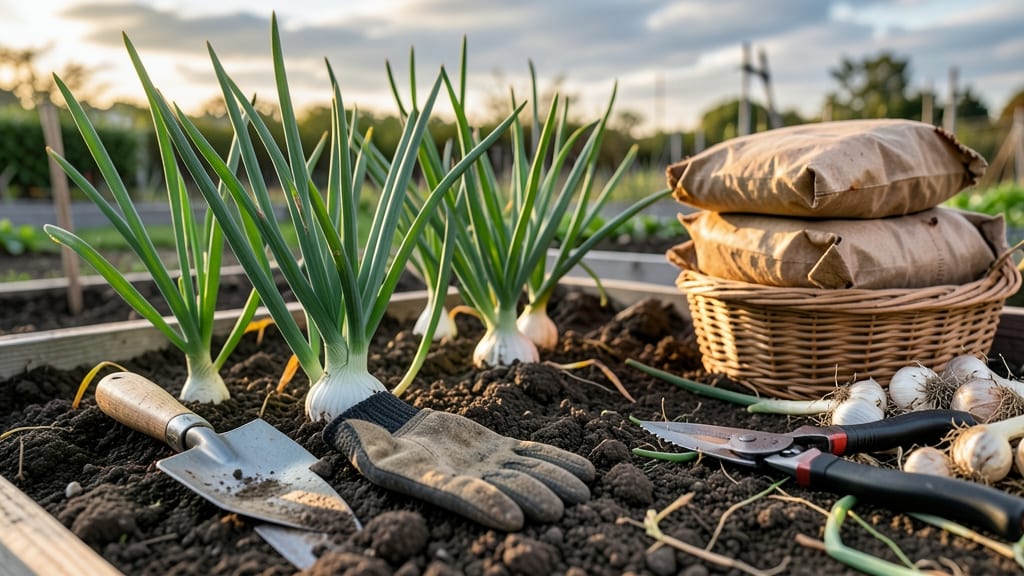
Harvesting garlic at the right time means pulling perfectly mature bulbs with bold flavor and firm cloves—here’s exactly when to dig 🧄.
Picture this: you’ve waited months for your garlic to grow, only to dig up cloves that are either too small or already splitting. That’s why timing is everything—harvest too early, and you lose flavor; wait too long, and the bulbs degrade.
The key is watching for three clear signs that your garlic is ready.
Most gardeners in Zone 6a (like me!) should start checking for maturity in late June or early July, when lower leaves turn golden brown but the top ones stay green. But climate varies, so I’ll walk you through how to test readiness without guessing.
In this guide, you’ll learn the three foolproof visual cues to harvest garlic at peak perfection, plus how to cure and store it for long-lasting flavor—no more wasted effort or tough cloves.

3 Visual cues to harvest garlic at peak maturity
Harvesting garlic at the wrong time can turn your hard work into tough, pungent cloves that store poorly. The key to perfect garlic lies in recognizing three critical visual cues that signal peak maturity.
These signs—leaf browning patterns, bulb size, and stem condition—work together to tell you exactly when to pull your bulbs for the best flavor and storage life. Missing these cues often means sacrificing quality, so let’s break down what to watch for in your garden.
First, understand that garlic doesn’t ripen like fruits—it matures when the plant shifts energy from leaves to bulbs. This transition is visible through leaf color changes and stem development. If you harvest too early, you’ll end up with small, underdeveloped cloves.
Harvest too late, and the bulbs may split or develop soft spots. The sweet spot? When these three visual cues align perfectly. Let’s explore each one in detail so you never miss the ideal harvest window again.
Lower Leaves Turn Brown and Crispy
Start checking your garlic plants when the bottom 1/3 of leaves begin drying out. At peak maturity, these leaves will be completely brown and papery, while the top 2/3 remain green. This indicates the bulb has fully developed.
Bulb Diameter Reaches 1-2 Inches
Gently loosen the soil around a few plants to check bulb size. A mature garlic bulb should feel firm and round, with a diameter of at least 1-2 inches. If bulbs are smaller than a ping-pong ball, wait another week or two.
Stem Snaps Easily When Bent
The final cue is the stem’s structural integrity. At peak maturity, the stem should bend and snap cleanly when you apply gentle pressure. If it bends but doesn’t break, or if it feels woody, the bulb isn’t fully mature yet.
Now that you know what to look for, let’s address a common mistake: harvesting based on calendar dates. Many gardeners assume garlic is ready in early summer, but this varies by climate and variety.
For example, hardneck garlic in USDA Zone 6a may mature in late June, while softneck varieties in warmer zones could be ready in August. Always prioritize these visual cues over guesswork to ensure perfect bulbs every time.
Another pro tip: Avoid harvesting when the soil is wet or when rain is forecasted. Moisture can cause bulbs to rot during curing, ruining your harvest. Instead, choose a dry, sunny day with temperatures between 60-80°F.
This gives your garlic the best chance to dry properly before storage. Think of it as giving your bulbs a final sunbath before they’re ready for the pantry.
What if you’re unsure whether your garlic is ready? Try the gentle squeeze test: Hold a bulb in your hand and press lightly. If the cloves feel plump and firm with a slight give, it’s ready.
If they feel hard and unyielding, wait a few more days. This simple test can save you from harvesting too early and ending up with underdeveloped cloves that lack flavor.
One of the biggest mistakes I see in home gardens is overlooking the stem condition. A mature garlic stem should be hollow and dry at the base, almost like a straw. If the stem is still green and juicy, the bulb isn’t fully developed.
This is a clear sign to wait. On the flip side, if the stem is completely brown and brittle but the bulb feels small, you might have missed the window—though you can still harvest for immediate use, just not for long-term storage.
Regional differences also play a role in harvest timing. In cooler climates, garlic may mature earlier, while warmer regions could see a delayed harvest.
For example, garlic planted in October in Zone 6a might be ready by late June or early July, whereas in Zone 9, you might not harvest until August. Always adjust your expectations based on your local last frost date and growing season length.
Finally, remember that hardneck and softneck varieties have slightly different maturity timelines. Hardneck garlic, known for its floral stems and bold flavor, often matures faster and is best harvested when the scapes have been removed (usually 2-3 weeks after scape formation).
Softneck varieties, which store longer and have milder flavors, may take a few extra weeks to reach peak maturity. Know your variety to fine-tune your harvest timing.
By mastering these three visual cues, you’ll never again wonder, “Is my garlic ready?” Instead, you’ll confidently pull perfectly mature bulbs that store well and pack a punch in flavor. Happy harvesting—and may your garlic be plentiful and your cloves always tender! 🧄
How to test garlic bulbs for harvest readiness (without digging)
Testing garlic bulbs for harvest readiness without digging saves time and prevents damage to your crop. Instead of guessing, use these simple, non-destructive methods to confirm when your garlic is perfectly mature.
The key is observing leaf color, bulb firmness, and stem condition—all visible clues that tell you exactly when to harvest.
Hardneck and softneck varieties mature at slightly different times, but these methods work for both. Hardnecks often signal readiness earlier, while softnecks may take a few extra weeks.
By mastering these techniques, you’ll avoid harvesting too early (resulting in small, tough cloves) or too late (leading to split bulbs and poor storage life).
⚠️ Callout-Tip: When Is It Time to Harvest?
Harvest garlic when 50-60% of leaves turn brown and papery, but the top 4-6 leaves remain green and healthy. This balance ensures bulbs are fully mature but haven’t overripe. For hardneck varieties, aim for late June to early July, while softnecks may wait until July or August in warmer climates.
Pro Tip: Use the squeeze test—if the bulb feels firm and round when gently squeezed, it’s ready!
The squeeze test is the easiest way to check bulb maturity without digging. Gently squeeze the base of the plant where the bulb forms. If the bulb feels firm and round (like a softball), it’s ready to harvest.
If it feels small or squishy, wait another week. This method works best in well-drained soil and avoids compacting the bulb during testing.
Next, inspect the roots and stem for signs of maturity. Gently loosen the soil around the plant’s base with your fingers (no need to dig deeply). If the roots are white and thick, the bulb is likely mature.
Additionally, check the stem end—it should turn yellow-brown while the top remains green. This color shift indicates the bulb has stopped growing upward and is focusing on bulb development.
For hardneck varieties, pay close attention to the scape (the curly stem that appears in spring). Once the scape turns brown and dies back, the bulb is nearing maturity. Softnecks, which lack scapes, rely more on leaf browning and bulb firmness.
In both cases, avoid waiting until all leaves turn brown—this can lead to split bulbs and reduced storage life.
Timing your harvest correctly ensures flavorful, storable garlic. Hardnecks harvested too late may split, while softnecks left too long can become woody. Use these non-destructive tests to confirm readiness, then harvest on a dry, sunny day to speed up curing.
Proper curing is the final step to achieving long-lasting, high-quality garlic.
With these methods, you’ll never guess when to harvest again. Whether you’re growing hardneck Rocambole or softneck Silverskin, these techniques guarantee perfectly timed harvests—without digging up your entire patch prematurely. Happy harvesting!