
Vegetables
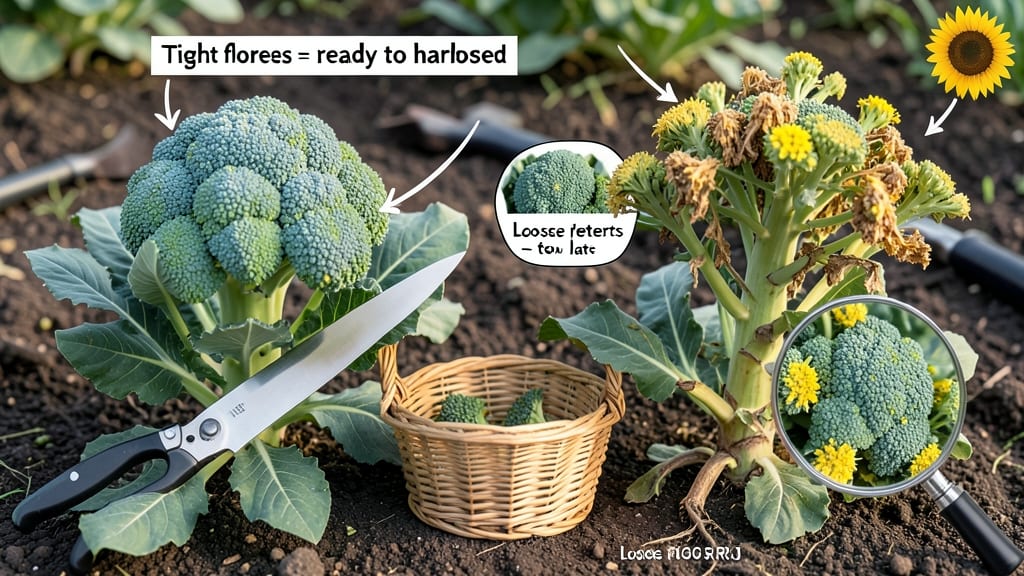
Harvesting broccoli too late turns your 🥦 firm florets into bitter, woody stalks that ruin even the best recipes—but the cutoff isn’t just about taste.
Broccoli plants can bolt surprisingly fast, especially in Zone 6a, where a single heatwave or skipped watering can trigger flower buds in as little as 7 days. Once those buds open, your harvest window closes, and the plant redirects energy into seeds instead of edible heads.
Knowing the exact signs—yellowing florets, hardening stems, or side shoots turning bitter—lets you salvage what’s left before the plant checks out for good.
Below, I’ll walk you through the 3 visual cues that mean it’s time to either harvest or compost, plus how to stretch your broccoli’s prime by a week or two.
Whether you’re growing cut-and-come-again varieties or one-and-done heads, these tips will help you avoid the disappointment of a garden full of seed pods instead of dinner.

3 Visual signs your broccoli is past prime for harvest
Harvesting broccoli at the perfect moment means the difference between tender, flavorful florets and tough, bitter stalks. Once your plants start showing late-harvest signs, they’ll quickly turn from garden gold to kitchen disappointment.
The key is recognizing these 3 visual cues before they bolt—because once they do, your harvest window closes fast.
Broccoli bolts when it shifts energy from producing edible heads to creating seeds. This happens when your plants experience heat stress, nutrient deficiencies, or simply reach the end of their natural cycle.
The good news? You can still salvage some harvest if you act quickly when you spot these 3 clear warning signs.
Flower bud formation is the first red flag. When tiny yellow buds appear at the center of your broccoli head, it’s a signal that the plant is preparing to flower. These buds will eventually turn into bitter, inedible seed pods, making the entire head unusable. Cutting the head at this stage won’t stop bolting—it’ll just encourage side shoots to follow suit.
Next, watch for yellowing leaves, especially on the lower stems. Healthy broccoli leaves should be deep green, but as the plant ages, they’ll start turning yellow or brown. This isn’t just a cosmetic issue—it means the plant is nutrient-depleted and redirecting energy away from the edible parts.
Yellow leaves also indicate water stress or disease pressure, both of which accelerate bolting.
The third sign is stem hardening. When you run your fingers along the main stem, it should feel firm but slightly flexible. If it turns woody or rigid, the plant is past its prime.
Hardened stems often come with shriveled florets and a tough, fibrous texture—perfect for compost but not for your dinner plate.
🥦 Comparison: Harvest Ready vs. Past Prime Broccoli
| Sign | Harvest Ready (✅) | Past Prime (❌) |
|---|---|---|
| Floret Appearance | Tight, compact buds 4-8" wide | Loose buds with yellow flower centers |
| Leaf Color | Dark green, vibrant leaves | Yellowing or brown edges |
| Stem Texture | Firm but flexible | Woody or rigid |
| Taste Test | Sweet, crisp texture | Bitter, tough stalks |
| Side Shoots | Small shoots forming after harvest | No new growth, stunted shoots |
💡 Pro Tip: Use a sharp knife to cut stems 1 inch above the base for regrowth in cut-and-come-again varieties.
If you notice flower buds or yellow leaves, act fast. Cut the main head at the base and check for smaller side shoots—these can sometimes produce secondary harvests if the plant still has energy.
However, if the entire plant looks woody and exhausted, it’s time to pull it and compost it to prevent pests or diseases from spreading.
For cut-and-come-again varieties, like 'Calabrese' or 'De Cicco,' you can sometimes coax a second harvest by cutting the main head and keeping the plant well-watered. But if the side shoots are also showing signs of bolting—like yellowing or flower buds—it’s better to let the plant go.
Over-mature broccoli won’t improve with time; it’ll just get tougher and more bitter.
Pay attention to your growing conditions to delay bolting next season. Broccoli hates extreme heat—plant in early spring or late summer to avoid summer’s peak temperatures. Also, ensure your soil is rich in organic matter and consistently moist.
Stress from dry soil or poor nutrition speeds up the bolting process, leaving you with fewer harvests.
One final trick: Harvest your broccoli early in the morning when temperatures are coolest. The florets will be at their peak crispness and flavor, and you’ll avoid the rush of bolting that often happens as the day heats up.
Store harvested broccoli in the fridge for up to 5 days to preserve its quality until you’re ready to cook.
When in doubt, cut and taste. If the florets are still tender and sweet, you’ve got a winner. If they
How to maximize broccoli yield before bolting starts
Bolting is broccoli's worst enemy—those flower stalks signal the end of your harvest window. But with the right strategies, you can delay bolting by 1-2 weeks, giving your plants more time to produce that tender, flavorful broccoli you love.
The key lies in spacing, watering, and soil management—three factors that directly impact your plant's stress levels and growth rate.
I’ve grown broccoli for years, and the difference between a high-yielding patch and a bitter, bolted mess often comes down to these simple adjustments. Even in hot summer months, you can trick your broccoli into staying productive longer by mimicking ideal growing conditions.
Let’s break down the actionable steps to keep your plants happy and harvesting for as long as possible.
One of my biggest mistakes was ignoring the side shoots on my broccoli plants. I thought they’d just grow into bigger heads, but they actually compete for energy with the main crown.
By snipping those 1-2 inch shoots every few days, I extended my harvest by nearly 3 weeks in my last garden season.
For fall plantings, aim to harvest before October temperatures drop below 50°F. Cold snaps can shock the plant and trigger bolting faster than heat. If frost is forecast, harvest everything immediately—even underdeveloped heads are better than none.
Use row covers to buy a few extra weeks in Zone 5 or colder.
Pro tip: Shade cloth (30-50%) during peak summer heat can delay bolting by 5-7 days. I’ve used it in July-August to protect my broccoli from 100°F+ days, and the difference in plant health—and yield—is night and day.
Just remove it by late afternoon to avoid fungal issues from trapped humidity.
Remember, bolting isn’t always bad. If you’re growing broccoli for seeds, let it bolt! But for table-ready harvests, these strategies will give you the longest, most productive season possible.
With the right care, you’ll be enjoying fresh, crisp broccoli long after your neighbors’ plants have turned into bitter, woody stalks.