
Pests and Diseases
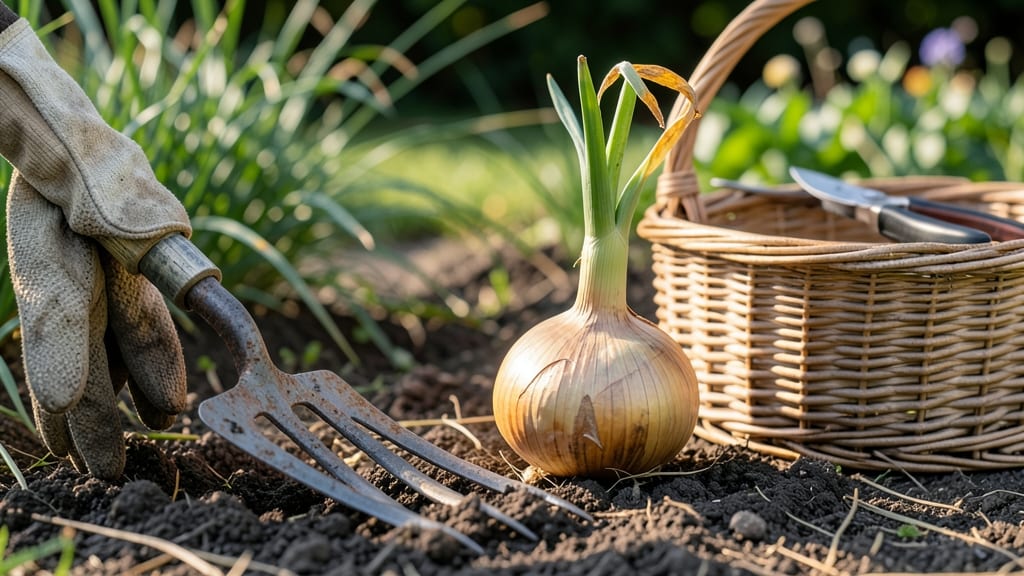
Knowing when is the onion harvest season is key to growing sweet, flavorful bulbs instead of bitter, tough leftovers—yet many gardeners miss the perfect window by days or weeks.
If you’ve ever pulled an onion too early and found it small and tough, or left it too long and watched it split in the soil, you know how critical timing is.
The ideal onion harvest season depends on your climate, variety, and a few simple tests that most gardeners overlook.
For most home gardeners in USDA Zone 6a and beyond, the sweet spot is late summer—when tops yellow and fall over, or when bulbs reach 1-2 inches in diameter. But regional differences, early vs. late varieties, and even soil conditions can shift that window by weeks.
In this guide, I’ll walk you through the soil-lift test, bulb size checks, and leaf color clues to nail your harvest—plus how to store them for maximum shelf life. No more guessing, just perfect onions every time.

Onion harvest season by climate: month-by-month guide for best yields
Timing your onion harvest correctly depends entirely on your USDA climate zone and whether you're growing early varieties or maincrop types. In cooler zones like USDA 3-5, frost sensitivity becomes a critical factor, while warmer zones 7-10 face heat stress risks.
Missing the harvest window by even a week can turn sweet, tender bulbs into tough, pungent rejects—so let's break down the exact months for peak harvests in your region.
Your onion's days to maturity (listed on seed packets) interact with local frost dates to determine harvest timing. For example, a 90-day variety planted in Zone 6 will be ready in late July, while the same variety in Zone 9 might need harvesting in early June.
Understanding these interactions helps you avoid both premature harvesting (underdeveloped bulbs) and over-maturity (split bulbs or rot).
Key warning signs like yellowing tops and papery skins are universal, but their timing shifts dramatically between climates. In northern regions, you'll harvest before the first frost, while southern gardeners may extend harvests into late fall—if they choose frost-tolerant varieties. Let's explore the month-by-month breakdown that will transform your onion yields.
| Climate Zone | Early Varieties (Days to Maturity) | Maincrop Varieties (Days to Maturity) | Harvest Window | Key Warning Signs |
|---|---|---|---|---|
| USDA 3-4 (Coldest) | 60-75 days | 100-120 days | Late June - Mid July | Tops yellow by June 20; harvest before frost |
| USDA 5-6 (Cool Temperate) | 70-85 days | 110-130 days | Mid July - Early August | Bulbs reach 1.5" diameter by July 25 |
| USDA 7-8 (Warm Temperate) | 80-95 days | 120-140 days | Early June - Late July | Tops fall by July 10; avoid heat stress |
| USDA 9-10 (Hot) | 90-105 days | 130-150 days | Late May - Early July | Harvest before 90°F soil temps; watch for bolting |
| Fall-Planted (All Zones) | 80-100 days | 110-130 days | October - December | Leave in ground until frost sweetens bulbs |
| High Desert (Zones 4-7) | 75-90 days | 115-135 days | June - Mid August | Harvest when soil temps drop below 85°F |
| Coastal (Zones 8-10) | 85-100 days |
3 Soil-lift & bulb tests to harvest onions at peak flavorHarvesting onions at the perfect moment transforms them from bland to bold—yet many gardeners struggle to spot the exact signs. The key lies in three simple field tests that reveal maturity without guesswork. I’ve used these methods for years to avoid bitter, pungent bulbs and instead pull onions when their flavor peaks. The first test focuses on the top-over method, where the foliage signals readiness, while the second checks bulb circumference for variety-specific sizing. The third test examines leaf yellowing patterns to distinguish maturity from overripeness. Most gardeners wait too long, assuming bigger bulbs mean better flavor—but that’s not always true. Overripe onions develop tough skins and sharp tastes. By mastering these three tests, you’ll harvest onions when their sugar content is highest and their necks tighten naturally. Start with the top-over test first, as it’s the most reliable early indicator of maturity. If you’re unsure whether your onions are ready, this method will give you clarity in seconds. 1
Top-Over Test (Finger Pressure Method)
Gently grasp the top of the onion and press downward. If the neck snaps easily and the bulb lifts without resistance, it’s ready. For spring onions, the tops will yellow and flop over naturally. 2
Bulb Circumference Rule of Thumb
Measure the widest part of the bulb. Most storage onions should be 1-2 inches in diameter. For green onions, harvest when stems reach 1/4-inch thickness—no bulb needed. 3
Leaf Color & Texture Indicators
Healthy yellowing tops mean maturity, but brown patches signal rot. Run your finger along the leaf edges: dry, papery texture = ready; soft or mushy = overripe. One common mistake I see is confusing yellowing leaves with disease. While yellow tops are a natural sign of maturity, brown or black spots indicate fungal infection. If your onions’ leaves are yellow but still upright, they’re not ready—wait another 7-10 days. For short-day onions (like Texas Sweet), the tops will flop dramatically, while long-day varieties (like Yellow Globe) may just yellow without falling. For bulb circumference checks, use a ruler or your thumb as a guide. Most storage varieties need at least 1.5 inches in diameter, but shallots and multiplier onions mature smaller—around 1 inch. If you’re growing green onions, skip this test entirely and harvest when the stems are 6-8 inches tall. The key is consistency: check the same plants every 3-4 days once they near maturity. If you harvest too early, the bulbs will be small and pithy with poor storage life. Harvesting too late risks splitting or bolting, especially in hot weather. My pro tip? Use a sharp knife to slice through the neck—never pull onions by the tops, which can damage the bulb. After harvesting, let them cure in the sun for 2-3 hours to toughen the skins and extend shelf life. Now that you’ve mastered these tests, you’ll never second-guess onion harvest timing again. The next step? Curing and storage—but that’s a topic for another guide. For now, grab your ruler, check those tops, and enjoy onions at their sweetest! 🧅 |