
Pests and Diseases
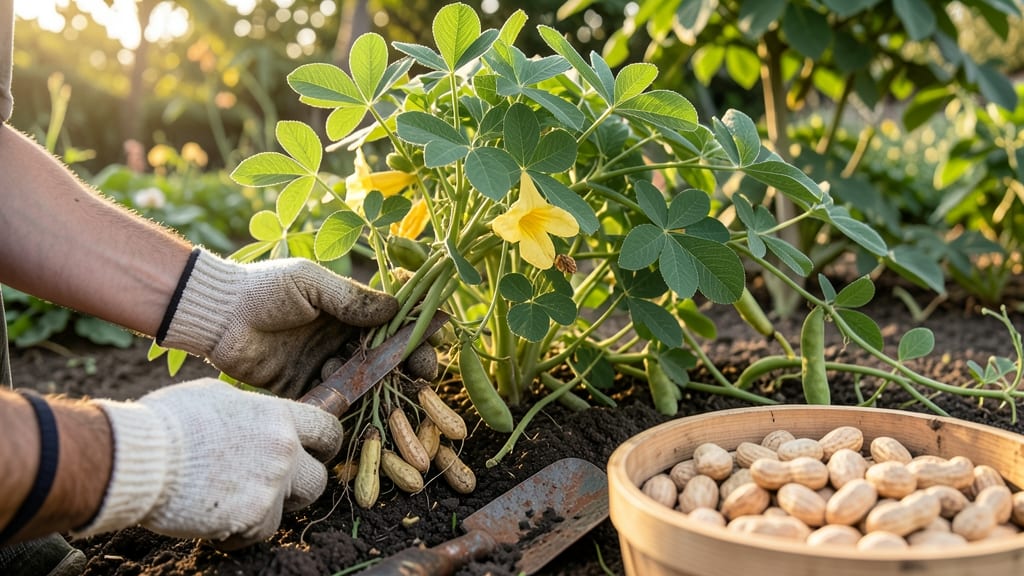
Peanuts reach their harvest time between September 15 and October 30 in most U.S. growing regions — but timing it wrong can turn your hard work into a bitter disappointment.
Picture this: you’ve spent months nurturing your 🥜 crop, only to dig up peanuts that are still hard or worse, already rotting in the ground. That’s why knowing the exact window for your zone is the difference between a harvest worth bragging about and a season of frustration.
In General (USDA Zone 6 default), where frost hits by late October, peanuts need to be pulled before the first chill sets in. But in warmer Southern zones, you’ve got a little more wiggle room — and tropical climates can even extend the season into November.
The key? Watching for yellowing vines and those telltale "peggers" poking out of the soil.
Below, I’ll break down the ideal months by region, how to spot a peanut ready to pick, and what happens if you wait too long — or harvest too soon. No more guesswork, just a foolproof plan for your best crop yet.

Peanut harvest time by USDA planting Zones: months for peak yield
Peanuts (Arachis hypogaea) thrive in warm climates but require precise timing for harvest to avoid underdeveloped pods or frost damage. Most varieties mature in 120-150 days, but your USDA zone dictates the exact months.
In Zones 4-7, cool nights shorten the growing season, while Zones 8-11 allow longer harvest windows. Let's break down the peak harvest months by region to maximize your yield.
Southern gardeners in Zones 8-11 enjoy the longest growing seasons, often harvesting as late as November or December. Meanwhile, Northern gardeners in Zones 4-6 must time harvests carefully to avoid early frosts that can ruin crops.
Even a single night below 40°F (4°C) can damage peanuts still in the soil. Understanding these regional differences ensures you dig up peanuts at their optimal maturity.
Here’s a zone-by-zone breakdown of when to expect harvest-ready peanuts, including adjustments for early or late varieties:
| USDA Zone | Peak Harvest Months | Days to Maturity | Key Notes |
|---|---|---|---|
| Zones 4-5 | Late September - Early October | 120-130 days | Plant early varieties (e.g., Early Spanish) to avoid frost. Use row covers for extended seasons. |
| Zones 6-7 | Mid-September - Late October | 125-140 days | Watch for first frost dates. Harvest before temperatures drop below 50°F (10°C). |
| Zones 8-9 | October - November | 130-150 days | Longer seasons allow for Valencia varieties, which mature later and have sweeter pods. |
| Zones 10-11 | November - December | 140-160 days | Tropical climates enable year-round planting. Harvest in dry seasons to prevent soil-borne diseases. |
In Zones 4-5, gardeners often plant early-maturing varieties like Early Spanish to ensure harvest before the first frost. These peanuts typically reach maturity in 120-130 days, aligning with harvests in late September or early October.
If you’re in this zone, consider using row covers to extend the growing season by 2-3 weeks, pushing harvests into early November.
For Zones 6-7, the window expands slightly, with harvests spanning from mid-September to late October. This is where frost dates become critical. Use a frost calendar for your area to plan harvests 1-2 weeks before the average first frost.
If peanuts remain in the ground during frost, they’ll sprout or rot, ruining your crop. In these zones, Virginia-type peanuts are popular for their larger pods and longer maturity.
Gardeners in Zones 8-9 have the flexibility to grow both early and late varieties. Early harvests in October work for Spanish peanuts, while Valencia peanuts can wait until November for sweeter, larger pods.
The key here is soil moisture: avoid waterlogging, which causes pod rot. Drainage is especially critical in humid climates like the Southeast.
In Zones 10-11, peanuts can be planted year-round, but harvest timing shifts with the dry season. Aim for harvests in November or December to coincide with lower humidity and warmer soils, which reduce disease risk.
These zones also support exotic varieties like Runners, which thrive in heat and produce high yields if given consistent watering.
Regardless of your zone, always dig a test peanut 2-3 weeks before the expected harvest date. Look for fully developed pods with thick shells and no green color.
If the pods are still small or shriveled, wait another week. Overharvesting—digging too early—leads to underdeveloped, bitter-tasting peanuts, while waiting too long risks mold or spoilage.
Pro tip: After harvest, cure peanuts in a dry, shaded area for 7-10 days to reduce moisture content. This step is non-negotiable for storage and prevents <
How to tell when peanuts are ready to harvest (key visual & tactile cues)
Harvesting peanuts at the right moment ensures sweet, plump pods with maximum flavor. Miss the window, and you’ll end up with underdeveloped or shriveled peanuts. The key is watching for three critical visual and tactile cues that signal maturity.
These signs work for all peanut varieties, from Virginia to Valencia, but timing may vary slightly by USDA zone.
First, pay attention to the foliage. When about 60-70% of the vines turn yellow and start drying out, it’s a strong indicator. This process usually begins 120-150 days after planting, depending on your climate.
In warmer regions like Zones 8-11, this might happen as early as late September, while cooler Zones 4-7 may see it in October or early November.
Next, look for the peggers, which are the pod-bearing stems that grow from the plant into the soil. When these emerge and start curling into the ground, it’s another clear sign.
In ideal conditions, you’ll see 1-2 inch peggers poking through the soil. If you spot them, mark the area and monitor closely—harvesting is just 7-10 days away.
For a foolproof test, shake the plants gently. Mature peanuts produce a distinct rattling sound as the shells bump together inside the pods. This happens because the pods are fully developed and dry enough to rattle.
If you don’t hear this sound, wait another 5-7 days before testing again. This tactile cue is especially useful in dense foliage where visual signs might be harder to spot.
Finally, perform a digging test on one plant to confirm maturity. Carefully dig up a section of the vine and examine the pods. Ready-to-harvest peanuts will have fully developed shells that are tan or light brown, not green or white.
The kernels inside should feel plump and firm, not shriveled or hollow. If the pods meet these criteria, it’s time to harvest the entire patch within the next 3-5 days.
Harvesting too early results in small, underdeveloped peanuts with poor flavor, while waiting too long can lead to shriveled or moldy pods. Once you’ve confirmed maturity, use a sharp shovel to dig around the plants, being careful not to damage the pods.
After harvesting, cure the peanuts in a dry, well-ventilated area for 10-14 days to develop their full flavor and texture.