
Picking
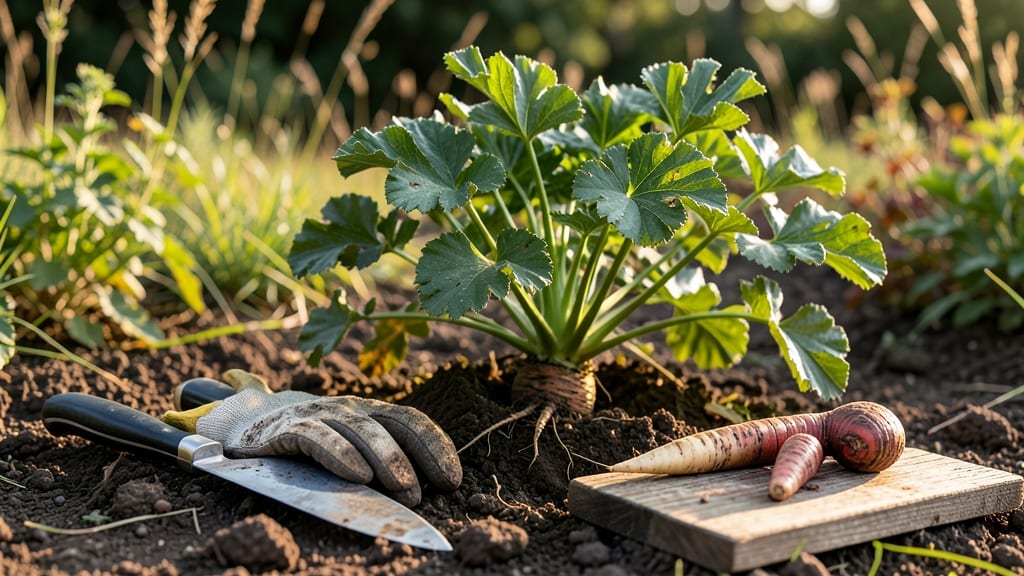
You should harvest horseradish 🌿 when roots reach 1-2 inches in diameter and foliage begins to yellow in late fall or early spring, just before new growth kicks in.
Harvesting horseradish at the wrong time means missing out on its signature fiery kick—or worse, dealing with tough, bitter roots. Timing your harvest correctly ensures maximum flavor and yield, but how do you know when those underground treasures are ready?
Most gardeners wait until late fall or early spring, when the soil cools and frost is on the horizon. This is when the roots pack the most heat and sweetness, but younger plants may need 2-3 years to reach peak size.
In this guide, I’ll walk you through root size checks, the heat test method, and seasonal adjustments to guarantee a harvest that’s bold, tender, and ready for your favorite recipes.

How to determine horseradish root size for perfect harvest timing
Horseradish thrives when given the right conditions, but knowing when to harvest depends on root size and growth stages. A 1-2 year old plant produces smaller, milder roots, while 3-year-old roots develop maximum heat and size. The key is checking both root diameter and foliage health before digging.
For peak flavor, aim for roots that reach 1-2 inches in diameter and 6-12 inches in length. These roots are thick enough to store well and pack the signature spicy kick gardeners love.
Smaller roots (under 1 inch) lack intensity, while oversized roots (over 3 inches) may become woody and bitter.
Now, let’s break down the ideal harvest timing based on root development and visual cues.
| Growth Stage | Root Size | Foliage Condition | Best Harvest Time | Flavor Intensity |
|---|---|---|---|---|
| Year 1 | ½–1 inch diameter | Green, vigorous growth | Late fall (before frost) | Mild, grassy |
| Year 2 | 1–2 inches diameter | Yellowing leaves, dying back | Early spring (before regrowth) | Moderate heat |
| Year 3+ | 2+ inches diameter | Brown, crispy foliage | Late fall (before hard frost) | Peak spiciness |
Soil conditions play a crucial role in determining harvest readiness. Horseradish prefers well-draining soil with a slightly acidic pH (6.0–7.0). If your soil is too wet or compacted, roots may develop poorly, leading to uneven sizes and bitter flavors.
Amend clay-heavy soils with compost or sand to improve drainage before planting.
Check for easy root extraction as a final cue. Gently tug on the foliage—if the root pulls up cleanly without resistance, it’s ready. Stubborn roots may still be growing. This test also helps avoid damaging younger roots that need more time in the ground.
Harvesting in cool weather (late fall or early spring) enhances flavor, as cooler temperatures trigger natural sugar conversion in the roots. Avoid harvesting during hot summer months, when roots may taste bland or develop a hollow center due to rapid growth.
For long-term storage, harvest roots when soil temperatures drop below 50°F (10°C). This prevents regrowth and ensures roots remain firm and flavorful. Store them in a cool, dark place (like a root cellar) for up to 6 months—or freeze them for later use.
If you’re unsure about root maturity, dig up one test root to check its size and flavor. This small sacrifice prevents wasting an entire patch of underdeveloped horseradish. Remember: patience pays off—older roots deliver the best heat!
Finally, avoid harvesting newly planted roots (under 6 months old). Young horseradish lacks the complex flavor compounds developed over multiple growing seasons. Give it time, and you’ll reward yourself with bold, fiery roots perfect for sauces, grated dishes, or fresh eating.
The heat test method: how to check horseradish spice levels before harvest
Horseradish's signature heat level develops over time, but how do you know when your roots are ready to harvest for maximum spice intensity? The heat test method is my go-to technique to determine if your horseradish has reached its flavor peak.
This simple process involves testing a small sample of the root to gauge its heat intensity before committing to a full harvest.
Start by selecting a mature-looking root—typically 1-2 inches in diameter—from your garden. Dig it up carefully to avoid damaging the plant. The key is to test the root's heat level while it's still in the ground, as exposure to air can alter its flavor profile.
This method ensures you harvest at the optimal time for the strongest, most flavorful roots.
⚠️ Warning: Harvest Too Early or Too Late
Harvesting horseradish before roots reach 1-2 inches results in mild, underdeveloped flavor. Waiting too long—after frost damage or when roots become woody—leads to bitter, tough textures. Test heat levels 2-3 years after planting for peak spice, aligning with late fall or early spring harvest windows.
To perform the test, slice off a small piece of the root—about ½ inch thick—using a sharp knife. Chew a tiny piece (about the size of a pea) and let it sit on your tongue for 10-15 seconds.
Rate the heat intensity on a scale of 1-10, with 10 being extreme spiciness and 1 being barely noticeable. Most gardeners aim for a 7-9 rating for the best balance of heat and usability in recipes.
If the root tastes too mild, leave it in the ground for another 4-6 weeks and retest. Horseradish heat intensifies over time, especially when exposed to cooler temperatures in late fall or early spring.
For a more objective test, dilute a small amount of grated horseradish in 1 cup of water and taste. A strong, lingering burn confirms readiness for harvest.
Pro tip: Keep a harvest journal to track heat levels across different roots. Some varieties—like 'Red Sun'—develop heat faster than others. If your roots consistently test below a 5, consider fertilizing lightly with a balanced 10-10-10 mix in early fall to encourage stronger growth before winter.
Once your roots pass the heat test, harvest the entire plant by digging carefully with a fork or trowel. Shake off excess soil and store in a cool, dark place for up to 6 months.
The longer you store it, the hotter it gets—so plan accordingly for your favorite spicy dishes!